
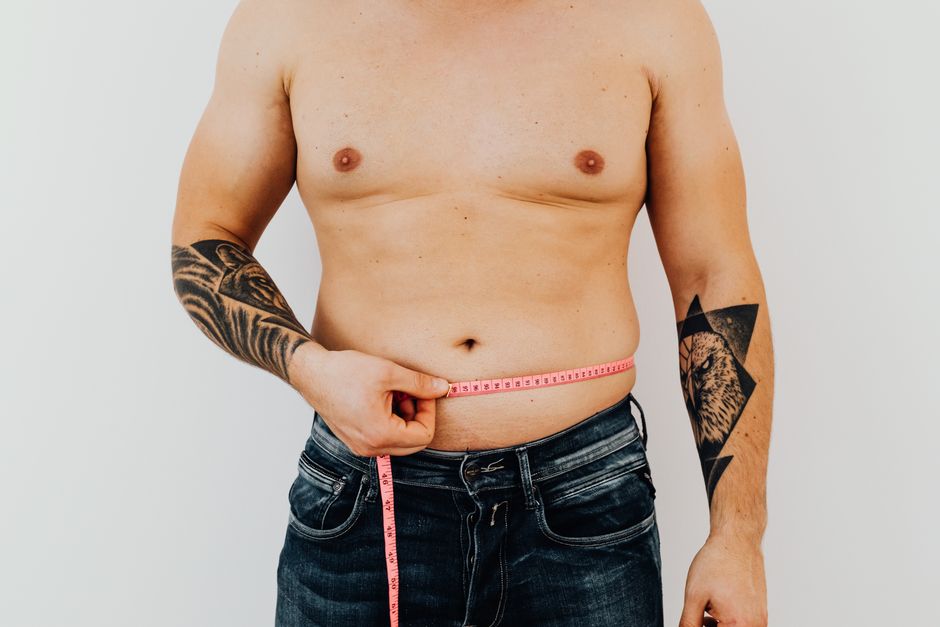
Under arm flab is one of the most stubborn areas on the body, and the reason is mostly biological, not personal failure. The tissue that hangs under the upper arm is usually a mix of subcutaneous fat, loose skin, and the natural shape of the triceps muscle underneath. You cannot target fat loss in one spot, so no exercise will “melt” arm fat directly. What actually works is lowering overall body fat through a calorie deficit and regular activity, building the triceps muscle to give the arm a firmer shape, and — for loose skin or stubborn fat that does not respond — considering medical or surgical options with a doctor.
Why Does Under Arm Flab Happen?
Under arm flab has three main contributors, and most people have some combination of all three.
The first is subcutaneous fat. This is fat stored just beneath the skin. Where your body stores fat is largely determined by genetics and hormones, not by which muscles you exercise. This is why some people carry more fat in the arms and others carry it in the hips or belly.
The second is muscle. The triceps is the large muscle on the back of the upper arm. When it is underdeveloped, the arm has less underlying structure, so any fat or skin on top looks softer and hangs more.
The third is skin. Skin loses elasticity with age and after significant weight loss. Collagen and elastin — the proteins that keep skin firm — decline over time. When skin stretches and then the fat beneath it shrinks, the skin may not snap back. This is a structural change, not a fitness problem.
Understanding which factor dominates for you matters, because each one responds to different approaches. Exercise can build the triceps. Diet can reduce fat. But no exercise tightens loose skin.
Can You Spot-Reduce Fat On Your Arms?
No. Spot reduction does not work. This is one of the most consistent findings in exercise science.
The body releases fat from stores across the whole body in response to an energy deficit, not from the specific muscle you happen to be working. Doing triceps extensions will strengthen and grow the triceps, but it will not preferentially burn the fat sitting directly over that muscle. Research on localized exercise has repeatedly failed to show that training one area reduces fat in that same area.
This is the part most arm workout videos skip. They show a firm-armed model doing triceps kickbacks, implying the exercise created that arm. In reality, the visible firmness comes from low overall body fat plus muscle tone. The exercise built the muscle. The diet and overall activity reduced the fat.
So the honest framing is this: arm exercises shape the muscle. They do not remove the fat covering it. You need both pieces for a visible change.
What Exercises Actually Help Tighten The Arms?
Exercises that build the triceps give the back of the arm more shape and firmness. A larger, stronger triceps pushes the skin and fat outward, which can make the arm look tighter even before fat loss is complete.
The triceps has three heads, and it responds well to both pushing and extending movements. Effective options include:
- Triceps pushdowns with a cable or band
- Overhead triceps extensions
- Close-grip push-ups or bench dips
- Skull crushers with a light weight
- Diamond push-ups
Two to three sessions per week is a reasonable general target for a muscle group, with a day of rest between sessions. This is standard resistance-training guidance, not a special arm protocol. As the muscle adapts, adding resistance or repetitions over time is what drives continued growth.
One clarification worth making: high-repetition “toning” with very light weights does not tighten skin or burn arm fat faster. Muscle responds to progressive resistance. Light weights with endless reps mostly build endurance, not size.
Does Diet Matter More Than Exercise For Arm Flab?
For reducing the fat itself, diet matters a great deal. You cannot out-train a body fat level that stays high.
Fat loss requires an energy deficit — burning more calories than you take in. There is no food, tea, or supplement that specifically targets arm fat. Any product claiming to do so is making a claim that no clinical evidence supports.
What tends to work is a sustainable calorie deficit combined with enough protein to preserve muscle while losing fat. Protein intake matters here because if you lose weight without enough protein and resistance training, some of the weight lost comes from muscle. Losing triceps muscle would make the arm look softer, not firmer — the opposite of the goal.
General guidance from nutrition and sports science bodies supports higher protein intake during weight loss, along with resistance training, to help preserve lean mass. Specific gram targets depend on body weight, activity, and health status, and are best set with a clinician or dietitian rather than guessed.
The pace of fat loss also matters for skin. Rapid, large weight loss is more likely to leave loose skin than gradual loss. This is a general pattern, not a guarantee either way.
Can Loose Skin Be Tightened Without Surgery?
This is where honesty is most needed. Loose skin from aging or major weight loss generally cannot be tightened through exercise, creams, or devices to any reliable degree.
Skin elasticity is structural. Once collagen and elastin fibers are stretched or broken down, exercise cannot rebuild them, and topical creams do not penetrate deeply enough to restructure skin. Some skin may retract slowly on its own after weight loss, especially in younger people with good elasticity, but the degree and timeline vary widely and are not predictable.
For significant loose skin under the arms, the only reliable option is a surgical procedure such as a brachioplasty, sometimes called an arm lift. This removes excess skin and tissue. It is a real operation with real risks, including scarring, infection, and changes in sensation. It is not a casual decision, and it should be discussed thoroughly with a board-certified plastic surgeon.
Non-surgical skin-tightening devices exist and are marketed for this purpose. The evidence for their effectiveness on significant arm skin laxity is limited, and results are generally modest at best. Anyone considering them should treat marketing claims with caution.
What About Creams, Wraps, And Devices?
Products sold to “tighten” under arm flab — firming creams, sweat wraps, vibrating belts, and similar devices — do not reduce fat or tighten skin in any lasting way.
Firming creams may temporarily plump the surface of the skin through moisturizing or mild irritation, which can create a short-lived appearance change. They do not remove fat or rebuild collagen structure. Sweat wraps cause water loss that returns once you rehydrate. No study has confirmed that these products produce lasting changes in arm fat or skin.
Cooling and heating devices marketed for fat reduction do exist in clinical settings, and some have regulatory clearance for certain fat-reduction uses. Their results are typically modest, and their effect on loose skin specifically is not well established. These are medical procedures to discuss with a qualified provider, not at-home gadgets.
How Long Does It Take To See A Change?
Timelines depend almost entirely on how much fat you need to lose, how much muscle you build, and whether loose skin is part of the picture.
Muscle changes from resistance training generally become noticeable over several weeks to a few months of consistent work. Fat loss follows overall weight change, which typically requires sustained effort over a longer period. There is no reliable way to promise a specific timeline for the arms, because arm appearance tracks overall body composition change, not a local process.
If loose skin is the main issue, no amount of time or exercise will resolve it, and that is the key thing to understand before spending months on a plan that cannot address the real problem.
The Bottom Line On Under Arm Flab
The combination that works is straightforward in principle and demanding in practice. Lower overall body fat with a sustainable calorie deficit and adequate protein. Build the triceps with progressive resistance training two to three times a week. Accept that skin is a separate issue that exercise cannot fix. For stubborn fat or significant loose skin, consult a qualified medical professional about the options that actually exist, and be skeptical of anything promising a fast fix.
There is no shortcut that targets the arms alone. But the honest approach — fat loss, muscle, and realistic expectations — is the one that produces real, lasting change.
Frequently Asked Questions
Can you lose arm fat without losing weight overall?
Generally no. Fat is released from the whole body in response to an energy deficit, not from one area, so arm fat usually reduces only as overall body fat drops. Building the triceps can improve the arm’s shape even before much fat is lost.
Do arm exercises tighten loose skin?
No. Exercise builds the triceps muscle but cannot rebuild stretched collagen and elastin in the skin. Significant loose skin from aging or major weight loss generally requires surgical removal to resolve.
How often should I train my triceps?
Two to three sessions per week is a reasonable general target for a muscle group, with rest days in between. This reflects standard resistance-training guidance rather than a special arm routine.
Do firming creams really work on under arm flab?
No lasting effect has been confirmed. Creams may temporarily change the skin’s surface appearance but do not remove fat or rebuild skin structure, so they cannot tighten under arm flab in any meaningful way.
