
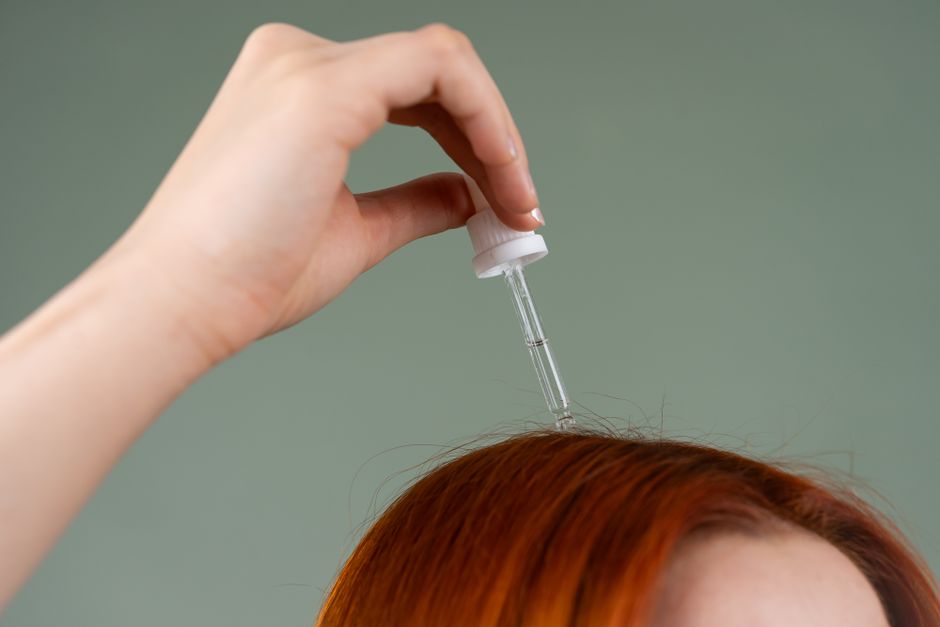
Thinning hair is a common concern, and the search for thicker hair often leads to a maze of products, diets, and treatments with bold promises. The honest answer is that hair thickness is influenced by genetics, age, and health, but certain treatments and dietary changes can genuinely help. Medical treatments like minoxidil and finasteride have the strongest evidence for regrowth, while nutritional support works best when you have a specific deficiency.
What Actually Causes Thin Hair?
Hair thinning happens when the growth cycle is disrupted. Each hair follicle goes through growth, rest, and shedding phases. When something interrupts this cycle, more hairs enter the shedding phase and fewer grow back. The result is visibly thinner hair over time.
Genetics is the most common cause. Androgenetic alopecia, also known as male or female pattern baldness, affects millions of people. It is driven by hormones called androgens that shrink hair follicles over time. This process is gradual and predictable, often starting at the temples or crown in men and with widening of the part in women.
Other causes include stress, hormonal changes like pregnancy or menopause, certain medications, and medical conditions such as thyroid disease or iron deficiency. Rapid shedding that happens suddenly is often telogen effluvium, a temporary condition triggered by stress or illness. This type of thinning usually resolves on its own within six months.
How To Thicken Hair Treatments Diet And More: What Works First?
The first step is identifying whether your thinning is genetic, temporary, or related to a deficiency. A doctor or dermatologist can run blood tests to check for iron, vitamin D, and thyroid function. These are common, treatable causes that are often overlooked.
If a deficiency is found, correcting it can make a real difference. For example, iron deficiency anemia is strongly linked to hair loss. Studies have shown that restoring iron levels to normal can improve hair density in people who were deficient. The same applies to vitamin D, though the evidence is less definitive.
If no deficiency exists, adding more supplements will not help. The body only uses what it needs, and excess vitamins are simply excreted. This is why a blood test matters more than guessing.
Medical Treatments With Proven Results
For genetic thinning, the evidence is clear. Minoxidil, sold under the brand name Rogaine, is a topical treatment approved by the FDA for hair regrowth. It works by widening blood vessels and stimulating hair follicles. It is effective for both men and women, though results take time. Most people see improvement after four to six months of twice-daily use.
Finasteride, sold as Propecia, is an oral medication for men only. It blocks the enzyme that converts testosterone to dihydrotestosterone, the hormone that shrinks follicles. Clinical trials have shown it stops further loss in most men and produces regrowth in about two-thirds of users. It is not approved for women, especially those who may become pregnant, due to risk of birth defects.
Low-level laser therapy is another option. Devices like laser combs and helmets emit red light that penetrates the scalp. Some studies suggest this can stimulate follicle activity, but results vary. The FDA has cleared these devices as safe, but evidence of effectiveness is less robust than for minoxidil or finasteride.
Platelet-rich plasma therapy, or PRP, involves drawing your blood, concentrating the platelets, and injecting them into the scalp. Platelets contain growth factors that may stimulate follicles. Some clinical studies show benefit, but protocols vary widely and results are not guaranteed. It is also expensive and not covered by most insurance plans.





Does Diet Really Change Hair Thickness?
Hair is made of a protein called keratin. Your body needs adequate protein to build new hair strands. Severe protein restriction can cause hair loss, but most people eating a standard Western diet get enough. If you are vegetarian or vegan, make sure you are eating varied protein sources like beans, lentils, and tofu.
Iron is critical because it helps red blood cells carry oxygen to hair follicles. Good sources include lean red meat, spinach, and fortified cereals. Vitamin C helps your body absorb iron, so pairing iron-rich foods with citrus or bell peppers improves uptake.
Zinc plays a role in hair tissue growth and repair. Deficiency is rare but can cause hair loss. Oysters, beef, and pumpkin seeds are good sources. Selenium and copper also support hair health, but deficiencies are uncommon in the United States.
Biotin is the most famous hair supplement, but the evidence is weak. Biotin deficiency is extremely rare, and no large clinical trials show that biotin supplements thicken hair in healthy people. The FDA has warned against biotin supplements interfering with lab tests, including thyroid and cardiac tests. If you take a biotin supplement, stop it at least three days before blood work.
Omega-3 fatty acids, found in fish like salmon and sardines, may support scalp health. Some research suggests they reduce inflammation, but no strong evidence proves they thicken hair directly. Eating fish twice a week is reasonable for general health, but do not expect dramatic hair changes.
Hair Care Habits That Prevent Breakage
Thinning hair can also be a matter of breakage rather than loss from the root. Hair that snaps off mid-shaft looks thin, especially at the ends. Changing how you handle your hair can reduce this type of damage.
Heat styling is a major culprit. Flat irons, curling wands, and blow dryers damage the protein structure of hair. If you use heat, apply a heat protectant spray and keep the temperature below 350 degrees Fahrenheit. Air drying is gentler, but wet hair is fragile, so avoid aggressive towel drying or brushing when wet.
Tight hairstyles pull on the roots and can cause traction alopecia. Ponytails, buns, braids, and weaves worn tightly for long periods damage follicles. Over time, this can become permanent. Alternate loose styles and give your scalp breaks from tension.
Chemical treatments like perms, relaxers, and repeated coloring weaken hair. If you color your hair, space out treatments and use conditioning masks. Bleaching is the most damaging process because it opens the cuticle and strips protein.
Brushing technique matters too. Use a wide-tooth comb for wet hair and start from the ends, working upward. This prevents pulling and snapping. Boar bristle brushes distribute natural oils from scalp to ends, which can improve shine and reduce frizz, but they do not change hair density.
When To See A Doctor About Thinning Hair
Sudden or patchy hair loss warrants a medical evaluation. If you notice round bald spots, you may have alopecia areata, an autoimmune condition. If hair loss comes with itching, burning, or scaling, a scalp infection could be the cause. These conditions need specific treatment and will not respond to over-the-counter products.
Women experiencing thinning should also consider hormonal evaluation. Polycystic ovary syndrome, or PCOS, can cause hair thinning along with irregular periods and acne. Thyroid disorders, both overactive and underactive, also affect hair growth. Blood tests can identify these conditions.
A dermatologist who specializes in hair disorders is the right specialist. They can perform a scalp biopsy if the cause is unclear. This involves removing a tiny piece of scalp skin for analysis. It sounds intimidating but is a quick, routine procedure that provides a definitive diagnosis.
Supplements That Have Real Evidence
Nutrafol and Viviscal are commercial supplements marketed for hair growth. They contain a blend of vitamins, minerals, and botanical extracts. Some clinical studies funded by the manufacturers show modest improvement in hair density. Independent research is limited, and results are modest at best.
Nutraceuticals like saw palmetto are sometimes used as natural alternatives to finasteride. Saw palmetto may block some DHT production, but clinical evidence is weak. No large trials confirm it works as well as prescription medication.
Collagen supplements are popular for skin and hair. Collagen contains amino acids that are building blocks for keratin. But your body breaks down ingested collagen into individual amino acids, which it then uses wherever needed. There is no guarantee those amino acids go to your hair. Some small studies show benefit, but larger trials are lacking.
The bottom line on supplements: they are not a replacement for proven treatments. If a blood test shows a deficiency, targeted supplementation is effective. If your blood work is normal, spending money on complex blends is unlikely to produce visible results.
Realistic Expectations For Hair Regrowth
Hair grows about half an inch per month. This means changes are slow and subtle. Do not expect dramatic transformation in a few weeks. Give any treatment at least six months before judging results.
Genetics set the ceiling for what is possible. If your follicles have already shrunk significantly, treatments may stop further loss but cannot restore a full head of thick hair. This is why starting treatment early matters. Once follicles are gone, they do not regenerate.
Combination approaches often work best. Using minoxidil alongside finasteride is more effective than either alone. Adding good hair care habits and addressing nutritional gaps supports the process. This layered approach addresses multiple causes simultaneously.
For those who do not respond to medical treatment, hair transplantation is a surgical option. Modern techniques transplant individual follicles from the back of the scalp to thinning areas. Results are permanent because the transplanted follicles are genetically resistant to DHT. This is an expensive procedure, but it is the only option that produces lasting, natural-looking density for advanced thinning.
Frequently Asked Questions
How long does it take for hair treatments to show results?
Most medical treatments require four to six months of consistent use before visible improvement appears. Full results typically take one year.
Can stress cause permanent hair thinning?
Stress-related shedding is usually temporary and resolves within six months. Chronic stress can worsen genetic thinning, but it rarely causes permanent loss on its own.
Does rosemary oil work as well as minoxidil?
One small study found rosemary oil comparable to minoxidil after six months, but larger trials are needed. Minoxidil remains the evidence-backed choice for most people.
Will cutting my hair make it grow back thicker?
No. Cutting hair does not change follicle density or growth rate. It only removes damaged ends, making existing hair look healthier.
