
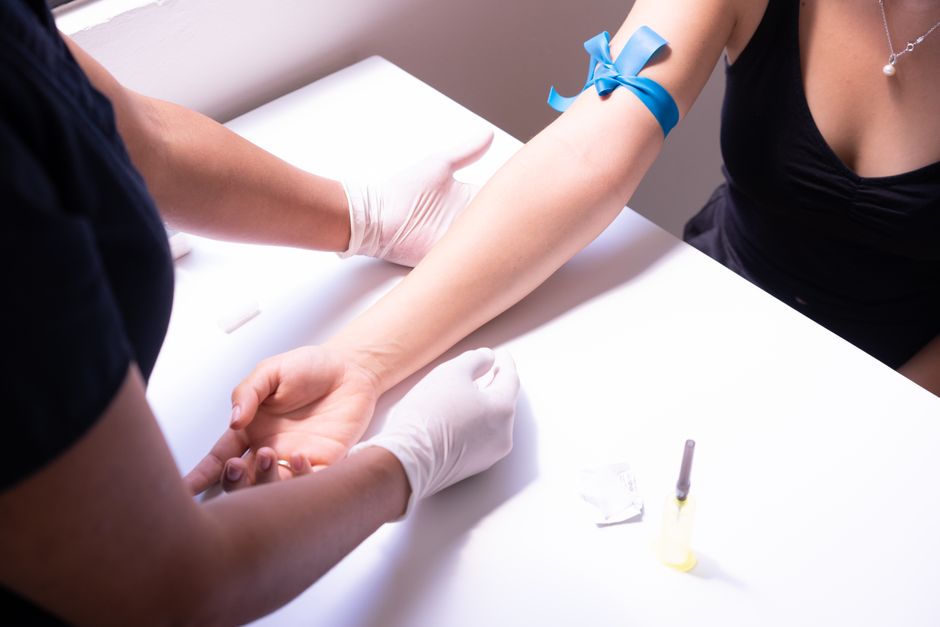
Your A1C test measures your average blood sugar over the past two to three months. You can get this test done at a lab, at a clinic, or with an at-home kit. The lab and clinic versions are the most accurate, while at-home kits offer convenience and are useful for tracking between doctor visits.
What Is an A1C Test and Why Does It Matter?
The A1C test, also called the hemoglobin A1c test, measures the percentage of your red blood cells that have sugar attached to them. Sugar sticks to hemoglobin, the protein that carries oxygen in your blood. The more sugar in your bloodstream, the more sugar attaches to your hemoglobin.
This matters because red blood cells live for about three months. So the A1C number reflects your average blood sugar over that entire period. A single finger-prick glucose test only shows your blood sugar at that exact moment. The A1C gives a longer, more honest picture of your glucose control.
Doctors use the A1C to diagnose prediabetes and type 2 diabetes. They also use it to monitor how well treatment is working for people who already have diabetes.
Where Can You Get an A1C Test?
You have three main options for getting an A1C test. Each one has its own strengths and limits.
Lab testing is the gold standard. A healthcare provider orders the test, and a trained phlebotomist draws blood from a vein in your arm. The sample goes to a certified laboratory for analysis. Lab tests are highly accurate and follow strict quality control standards.
Clinic testing happens at your doctor’s office or a walk-in clinic. Many clinics now use a small device that gives results in about five minutes from a finger-prick sample. These point-of-care devices are reasonably accurate, but they are not quite as precise as lab results. Some clinics send the sample to a lab instead of running it on-site.
At-home testing lets you collect a small blood sample at home and mail it to a lab. You receive your results online within a few days. Some at-home kits use a finger-prick, while others use a device that reads your A1C on the spot.
How To Test Your A1C Lab Clinic Or At Home: Step by Step
Here is what to expect with each testing method so you know exactly how the process works.
For a lab test: You do not need to fast. The A1C test does not require you to skip meals beforehand. You arrive at the lab with your doctor’s order, a technician draws blood from your arm, and you are done in under five minutes. Results typically arrive in one to three days.
For a clinic test: Your doctor or a nurse pricks your finger and collects a tiny drop of blood. The device analyzes the sample on the spot. You get your result before you leave the office. This is a common option during routine checkups.
For an at-home test: You order a kit online or buy one at a pharmacy. The kit includes a lancet, a collection tube, and a prepaid return envelope. You prick your finger, collect the blood, and mail the sample to the lab. Results arrive online in a few days. Some newer devices give you a reading immediately without mailing anything.




Understanding Your A1C Results
The A1C result is reported as a percentage. These numbers are the standard clinical ranges used worldwide.
- Normal: Below 5.7%
- Prediabetes: 5.7% to 6.4%
- Diabetes: 6.5% or higher
For people already diagnosed with diabetes, most doctors recommend keeping the A1C below 7%. Your individual target may differ based on your age, health conditions, and other factors. Your doctor sets your personal goal.
One important thing to understand: the A1C is an average. Two people can have the same A1C but very different blood sugar patterns. One person might have steady readings all day, while another swings between very high and very low. The A1C cannot show those ups and downs. If you need to see daily patterns, you would use a continuous glucose monitor or regular finger-prick checks.
Are At-Home A1C Tests Accurate?
At-home A1C tests that require mailing your sample to a lab are generally accurate. These kits use the same laboratory methods as the tests your doctor orders. The main risk is user error — not collecting enough blood, not filling the tube correctly, or mishandling the sample.
Instant-read at-home devices are less accurate. They use a different technology that analyzes a small blood sample on a test strip. Studies have shown these devices can vary from lab results by a meaningful margin. The FDA has approved some of these devices, but approval means they are safe and reasonably effective — not that they match lab precision exactly.
Some research suggests that certain conditions can affect A1C accuracy regardless of where the test is done. If you have anemia, kidney disease, or certain blood disorders, your A1C may not reflect your true average blood sugar. Your doctor should know about these conditions before interpreting your result.
How Often Should You Test Your A1C?
Testing frequency depends on your health status. The general clinical guidance is based on your diagnosis and how well your blood sugar is controlled.
If you have diabetes and your blood sugar is well controlled, most guidelines recommend testing every six months. If you recently changed medications, or if your blood sugar is not at target, testing every three months is standard. This timeline matches the lifespan of red blood cells, so each test reflects a fresh three-month window.
If you have prediabetes, testing once a year is typical so your doctor can track whether your blood sugar is rising, staying stable, or returning to normal.
If you have no risk factors for diabetes, routine A1C screening is not generally recommended. However, the American Diabetes Association suggests screening starting at age 35 for adults who are overweight or have other risk factors. Your doctor can tell you if screening makes sense for you.
What Can Affect Your A1C Result?
Several factors can change your A1C number that have nothing to do with your average blood sugar. Knowing these can help you interpret your results honestly.
Anything that affects red blood cell lifespan changes your A1C. If your red blood cells live longer than normal, the A1C reads falsely high. If they live shorter than normal, it reads falsely low. Conditions like sickle cell trait, thalassemia, and iron deficiency anemia can all distort the number.
Pregnancy changes red blood cell turnover, so A1C is not a reliable diagnostic tool during pregnancy. Doctors use other tests to screen for gestational diabetes.
Some supplements and medications can interfere with the test. High doses of vitamin C and vitamin E have been shown to affect results. Always tell your doctor about every supplement you take before an A1C test.
How To Prepare for an A1C Test
You do not need to fast before an A1C test. You can eat and drink normally. This is one of the main advantages of the A1C compared to fasting glucose tests.
Do not schedule the test when you are sick. An acute illness like the flu can temporarily raise your blood sugar and skew the result. Wait until you have recovered.
If you are testing at home, read the kit instructions carefully. Each kit works slightly differently. Follow the steps exactly, including how much blood to collect and how to store the sample before mailing it.
How To Test Your A1C Lab Clinic Or At Home: Which Should You Choose?
Your choice depends on your situation. If you need a diagnosis, get a lab test ordered by your doctor. This is the most accurate and the only method suitable for making a treatment decision.
If you have diabetes and need routine monitoring, a clinic test is convenient during a regular appointment. You get immediate feedback and can discuss the result with your doctor on the spot.
If you want to track your progress between doctor visits, or if you have trouble getting to a lab, an at-home mail-in kit is a reasonable option. Just remember to confirm any significant result with a lab test before making decisions about your health.
No at-home test should replace regular medical care. Use it as a supplement, not a substitute, for professional monitoring.
Frequently Asked Questions
Do I need to fast before an A1C test?
No, you do not need to fast. The A1C test measures average blood sugar over three months, so eating beforehand does not affect the result.
How long does an at-home A1C test take to get results?
Mail-in kits typically deliver results within two to five business days after the lab receives your sample. Instant-read devices give results in about five minutes.
Can I use an at-home A1C test to diagnose diabetes?
At-home tests can screen for high A1C levels, but a diagnosis should always be confirmed with a lab test ordered by a doctor. Lab testing is the most accurate method.
Why is my at-home A1C different from my lab A1C?
Differences can come from user error, device accuracy, or timing between tests. If the numbers differ significantly, repeat the test or ask your doctor for a lab test to confirm.
