
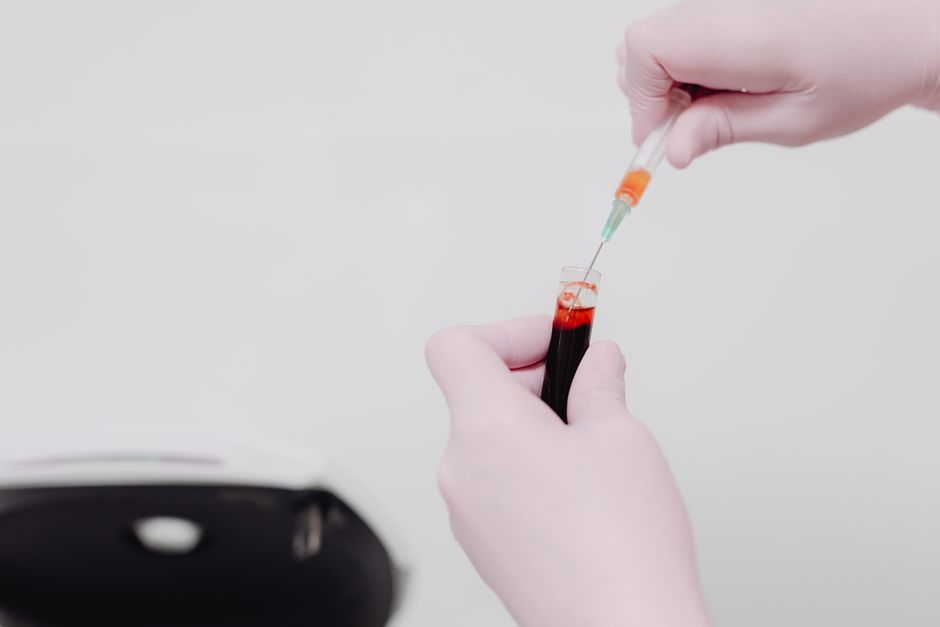
Scabies is diagnosed by a doctor examining your skin and, when possible, confirming the mite under a microscope. There is no blood test and no reliable home test for scabies. A scraping of skin or a tiny sample of the rash can show the mite, its eggs, or its feces, but a negative result does not rule scabies out. Doctors often make the diagnosis from the pattern of the rash and the itch, and treat based on that.
How To Test For Scabies Diagnosis And Procedures
Testing for scabies starts with a physical exam. A clinician looks closely at the rash, especially the web spaces between the fingers, the wrists, the waistline, and other warm folds of skin where the mite prefers to burrow. They may use a dermatoscope, a handheld magnifier with a light, to look at the skin surface more closely.
If the exam points toward scabies, the doctor may confirm it by taking a small sample. There are two main methods:
- Skin scraping: The doctor places a drop of mineral oil on the skin and gently scrapes a burrow or the top of a rash with a scalpel blade. The sample goes on a slide and is examined under a microscope.
- Burrow ink test: A washable ink is applied to a suspected burrow and wiped off. If a burrow is present, ink can track into it and make it easier to see. This is a quick visual aid, not a lab test.
Under the microscope, the clinician looks for the mite itself, its eggs, or small dark specks of mite waste. Finding any of these confirms scabies. Here is the part many people do not realize: a scraping that comes back negative does not mean you do not have scabies. The mite is tiny and there may be only a handful on the whole body, so a sample can easily miss it.
Because of that, doctors frequently diagnose scabies based on the clinical picture — intense itching that is worse at night, a rash in typical locations, and often other people in the household itching too — and treat without waiting for a positive test.
What Does a Scabies Rash Look Like?
The scabies rash usually appears as small red bumps or tiny blisters, and sometimes as thin, wavy lines on the skin. Those lines are the burrows where the female mite tunnels in to lay eggs. They are often hard to see and can be obscured by scratching.
The itch is the defining symptom. It tends to be severe and worse at night. In people who have never had scabies before, symptoms usually take a few weeks to appear after exposure. In someone who has had scabies before, the reaction can come on much faster because the immune system already recognizes the mite.
Common locations include:
- Between the fingers and on the wrists
- The backs of the elbows and the armpits
- The waistline and buttocks
- The genital area
- In infants, the palms, soles, and scalp
In older adults and people with a weakened immune system, the rash can look different and may be crusted and scaly rather than a scattering of bumps. This form is called crusted scabies, and it involves far larger numbers of mites. It is more contagious and needs medical attention.
Can Scabies Be Diagnosed Without a Test?
Yes. In everyday practice, scabies is often diagnosed from history and physical exam alone. When several people in one household develop an itchy rash in the typical spots, the picture is strong enough that testing is not always needed.
A doctor may still choose to confirm the diagnosis, and this is reasonable. It helps rule out other conditions that look similar, such as eczema, contact dermatitis, or an allergic reaction. Some skin conditions mimic scabies closely, and the treatment for scabies is different from the treatment for those conditions.
One detail worth knowing: treatment is usually recommended for everyone in the household at the same time, even people without symptoms. Mites spread easily through close contact, and someone can carry them for weeks before itching starts. Treating only the person with symptoms often leads to reinfection.
What Other Conditions Can Look Like Scabies?
Several skin problems produce an itchy rash that can be mistaken for scabies. Because the appearance overlaps, a clinician weighs the whole picture rather than one sign.
- Eczema and contact dermatitis: red, itchy, sometimes scaly patches, often in response to an irritant or allergen.
- Fungal skin infections: can cause itchy, scaly patches, sometimes with a ring shape.
- Insect bites: can produce clusters of itchy bumps, though usually without the burrow pattern.
- Drug reactions: some medications cause widespread itchy rashes.
- Psoriasis or other inflammatory conditions: less often itchy in the same way but can resemble crusted scabies in some forms.
This is why a scraping or dermatoscope exam can help when the diagnosis is unclear. It is also why a doctor may ask about itching in family members, recent travel, or living situations such as shared housing or care facilities, where scabies can spread more easily.
How Is Scabies Treated After Diagnosis?
Scabies is treated with prescription medications called scabicides, applied to the skin or, in some cases, taken by mouth. A doctor will explain exactly how to use the treatment, because the timing and coverage matter. The medication is typically applied to the whole body, not just the rash, and left on for a set period before washing off.
Itching can continue for a couple of weeks after successful treatment. This does not necessarily mean the treatment failed. The itch is an allergic response to the mite, and it can take time to settle. A doctor may suggest a topical cream to ease the itching during that window.
Household members and close contacts are usually treated at the same time. Bedding, clothing, and towels used recently should be washed in hot water and dried on a high heat setting. Items that cannot be washed can be sealed in a plastic bag for a period your doctor or public health guidance advises, since the mite does not survive long away from human skin.
Treatment advice should come from a clinician, not from a general article. The right product and schedule depend on age, pregnancy, other health conditions, and whether the scabies is the crusted form. No clinical guidelines currently support using over-the-counter products or home remedies in place of prescription treatment.
When Should You See a Doctor for an Itchy Rash?
See a doctor if you have intense itching that is worse at night, a rash in the typical scabies locations, or itching that spreads to others in your household. These signs are worth a medical visit rather than waiting it out.
Seek care promptly if the skin looks crusted or scaly over large areas, if there are signs of infection such as spreading redness, warmth, pus, or fever, or if the person affected is an infant, an older adult, or someone with a weakened immune system. These groups can develop more severe forms of scabies and may need different treatment.
Do not rely on a home test or an online quiz to decide. No reliable self-test for scabies exists. A clinician can examine the skin, decide whether a scraping is worthwhile, and start treatment if the picture fits.
Frequently Asked Questions
Can you test for scabies at home?
No reliable home test for scabies exists. Diagnosis requires a clinician to examine the skin and, when useful, look at a skin sample under a microscope.
Does a negative skin scraping mean I don’t have scabies?
No. A scraping can miss the mite, so doctors often diagnose and treat scabies based on symptoms and the pattern of the rash even when a test is negative.
How long does it take to get scabies test results?
A skin scraping examined in the office can give an answer within minutes to hours. If a sample is sent to a lab, results may take a few days.
What is the burrow ink test for scabies?
It is a quick visual check in which ink is applied to the skin and wiped off to make mite burrows easier to see. It supports the diagnosis but is not a lab-confirmed test.
