
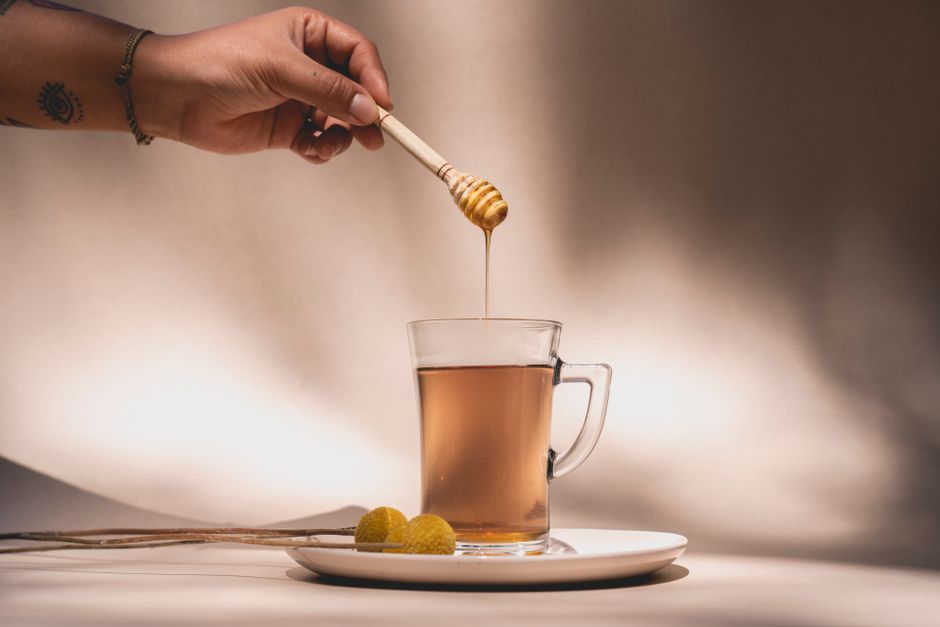
Testing honey at home is mostly about spotting obvious fakes, not proving purity in a lab. Simple tests like the water test and the flame test can reveal some adulterated products, but they have real limits. For a definitive answer about what is in your honey, a laboratory analysis is the only method that actually works.
Why Is Honey So Often Faked?
Honey is a high-value product, and that makes it a target for fraud. The most common type of honey fraud is adulteration. This means adding cheaper sweeteners like high-fructose corn syrup, rice syrup, or sugar syrup to stretch the real honey.
This is not a small problem. Some global studies and industry reports estimate that a significant portion of commercially available honey may be adulterated. The exact numbers vary by region and study, but the key point is that the problem is real and widespread.
Because adulterated honey looks, smells, and tastes similar to the real thing, consumers rarely notice. The fraud happens long before the jar reaches your kitchen shelf.
The Water Test: Does It Really Work?
The water test is one of the most popular home tests. The idea is simple. You drop a spoonful of honey into a glass of water. Real honey is thick and dense, so it should sink to the bottom as a solid lump. Fake honey, which contains added water or syrup, is thinner and will dissolve or disperse quickly.
The logic behind the test is sound. Real honey has a low moisture content and a high density. It does not mix easily with water. However, this test is not foolproof.
Some adulterated honeys are blended with thick syrups that also sink. Invert sugar syrup, for example, has a similar density to honey. It can pass the water test even though it is not pure honey. Also, the temperature of the honey and the water can affect the result. Colder, thicker honey will sink faster than warm, runny honey.
So, the water test can catch some obvious fakes, but it cannot confirm that honey is real. If honey dissolves quickly, it is likely adulterated. If it sinks, it might be real, but it could also be a clever fake.
The Flame Test: A Popular But Flawed Method
The flame test is another common home experiment. You dip the end of a dry matchstick into honey, then strike it against the matchbox. If the match lights, the honey is supposedly real. If it does not light, the honey contains moisture and is fake.
This test is based on the principle that pure honey has a low moisture content. A dry matchstick coated in pure honey should still catch fire because the honey itself is mostly sugar, which is flammable. If the honey contains added water, the moisture prevents the match from lighting.
Here is the problem. The flame test is highly unreliable. The result depends heavily on the moisture content of the matchstick, the humidity in the air, and how thickly the honey is applied. A thin coating of any honey will allow the match to light. A thick coating of even pure honey can prevent it from lighting.
Some producers add moisture to honey, which makes the flame test fail. But modern adulteration often uses dry sweeteners like rice syrup. These dry syrups can also allow a match to light. The flame test tells you very little about the actual purity of the honey.





The Thumb Test and Other Quick Checks
There are several other quick tests that circulate online. The thumb test involves placing a drop of honey on your thumb. If it spreads or runs off, it is fake. Real honey is thick and should stay in a droplet.
This test has the same weakness as the water test. It only checks viscosity. Some fake honeys are thickened with additives to mimic this texture. A fake honey can easily pass the thumb test.
Another test involves the crystallization process. Real honey crystallizes over time. Fake honey, especially if it is heavily processed or contains corn syrup, may stay liquid for much longer. This is actually one of the more reliable indicators you can observe at home.
If your honey has crystallized, that is a good sign. It suggests the honey is real and minimally processed. However, the reverse is not true. Some real honey, like acacia honey, crystallizes very slowly. And some fake honey is deliberately seeded with crystals to mimic the real thing.
The Iodine Test: Detecting Starch Syrups
The iodine test is a more specific home test. You mix a teaspoon of honey with an equal amount of water, then add a few drops of iodine tincture. If the mixture turns blue or black, it indicates the presence of starch. Starch is sometimes used as a thickener in adulterated honey.
This test is more targeted than the water or flame tests. It looks for a specific adulterant rather than general properties. However, it only detects starch-based additives. It will not detect high-fructose corn syrup, rice syrup, or other common sweeteners.
Iodine tincture is available at most pharmacies. This test is cheap and easy to do at home. But remember, a negative result does not mean the honey is pure. It only means no starch was detected.
What Actually Works: Laboratory Testing
If you need to know with certainty whether honey is real, home tests are not enough. The only reliable method is laboratory analysis.
There are several scientific tests used by regulatory agencies and food testing laboratories. One common method is Carbon Isotope Ratio Analysis. This test measures the ratio of carbon isotopes in the honey. It can detect the presence of cane sugar or corn syrup, which have a different isotopic signature than honey from flowers.
Another advanced method is Nuclear Magnetic Resonance (NMR) spectroscopy. NMR can create a detailed profile of the honey’s chemical composition. It can detect a wide range of adulterants, including rice syrup and beet sugar, that other tests might miss.
These tests are expensive and not something you can do at home. They are used by regulatory bodies to enforce food safety laws and by reputable honey producers to certify their product.
Practical Tips for Buying Real Honey
Since home testing is unreliable, your best defense is to buy smart. Here are some practical steps you can take.
- Buy from a local beekeeper. When you buy directly from a local producer, you can often visit the apiary and see the hives. This is the strongest guarantee of authenticity.
- Read the label carefully. Look for single-origin honey. Blends from “EU and non-EU countries” are more likely to be adulterated. The label should list only one ingredient: honey.
- Check for the country of origin. Honey should have a clear country of origin label. If it is vague, be cautious.
- Look for raw honey. Raw honey is unfiltered and unpasteurized. It is more likely to be pure because heavy processing is often used to hide adulteration.
- Be wary of very cheap honey. Real honey is expensive to produce. If the price seems too good to be true, it probably is.
These steps do not guarantee purity, but they significantly reduce your risk of buying a fake product.
The Bottom Line on Testing Honey
Home tests are fun to try, but they are not reliable proof of purity. The water test, flame test, and thumb test can only detect the most obvious fakes. They cannot confirm that honey is real.
For a definitive answer, laboratory analysis is the only method that works. For everyday purposes, your best approach is to buy from a trusted source. A local beekeeper who shows you the hives is a far better guarantee than any home experiment.
Crystallization is a good sign, but even that is not a perfect test. When in doubt, ask your seller direct questions about where the honey comes from and how it was processed. Honest producers will have clear answers.
Frequently Asked Questions
Does real honey dissolve in water?
Real honey does not dissolve easily in cold water and will sink as a lump. If honey dissolves instantly, it likely contains added water or syrup.
Does real honey burn when lit?
Real honey can burn because it is mostly sugar, but this test is unreliable because moisture and coating thickness affect the result. A match lighting does not prove honey is pure.
Does real honey crystallize in the jar?
Yes, real honey naturally crystallizes over time, and this is a sign of authenticity. However, some real honeys crystallize slowly, and some fake honeys are seeded with crystals to mimic this.
What is the most accurate way to test honey purity?
Laboratory analysis, such as Carbon Isotope Ratio Analysis or NMR spectroscopy, is the only accurate way to confirm honey purity. Home tests cannot detect modern adulterants like rice syrup.
