
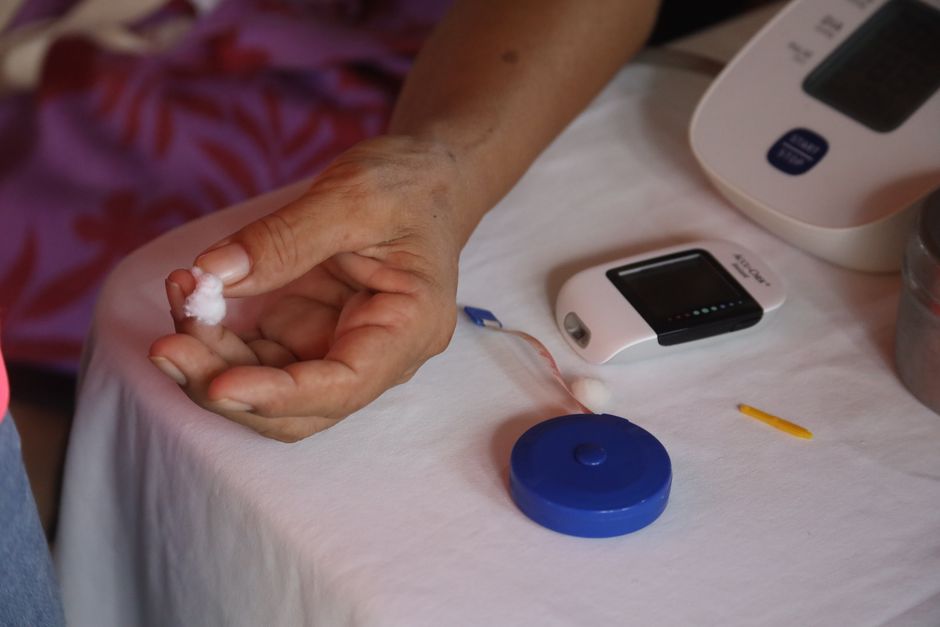
Methane gas itself is not toxic, but it can displace oxygen in enclosed spaces, leading to asphyxiation. Testing for methane exposure involves two separate steps: detecting the presence of the gas in your environment and checking your body for signs of oxygen deprivation. You cannot test for methane poisoning directly with a blood test, but medical professionals can measure blood oxygen levels to assess the impact of exposure.
How To Test For Methane Gas Poisoning In Your Home
You cannot smell, see, or taste methane. In its natural state, it is completely odorless. Utility companies add a chemical called mercaptan to natural gas to give it that distinctive “rotten egg” smell, but pure methane from other sources like swamps, landfills, or septic systems has no warning odor.
If you suspect a methane leak in your home, you need an electronic gas detector. Plug-in methane detectors are available at hardware stores and online. These devices continuously monitor the air and sound an alarm when methane levels become dangerous.
Choose a detector that specifically lists methane or natural gas detection on the packaging. Some combination units detect both methane and carbon monoxide. Carbon monoxide detectors do not detect methane. They are different gases and require different sensors.
Place detectors near gas appliances, water heaters, furnaces, and in basements. Methane is lighter than air, so it rises. Mount detectors high on walls or ceilings for the most accurate readings.
What Blood Tests Show After Methane Exposure
Methane does not accumulate in the blood. It does not bind to hemoglobin like carbon monoxide does. When you breathe in methane, most of it is exhaled unchanged. The medical danger comes from oxygen displacement, not from the methane itself.
In a confined space, methane pushes out the oxygen you need to survive. When oxygen levels in the air drop below about 19.5 percent, your body begins to suffer. Blood tests can measure this effect directly.
Doctors use a test called arterial blood gas analysis to measure oxygen levels in your blood. This test draws blood from an artery, usually in the wrist, and measures partial pressure of oxygen (PaO2), carbon dioxide, and blood pH. Normal arterial oxygen is between 75 and 100 mmHg at sea level. Levels below 60 mmHg indicate significant oxygen deprivation.
A pulse oximeter is a simpler, non-invasive tool that clips onto your finger. It estimates blood oxygen saturation. Normal readings are 95 to 100 percent. Readings below 90 percent require immediate medical attention.
These tests do not confirm methane exposure specifically. They confirm that your body is not getting enough oxygen. That is the actual medical emergency in methane incidents.
Symptoms That Signal A Methane Problem
Symptoms of oxygen deprivation develop gradually as methane replaces oxygen in the air. Early signs include headache, dizziness, fatigue, and shortness of breath. You may feel confused or have trouble concentrating.
As oxygen levels drop further, symptoms worsen. Nausea, vomiting, rapid heartbeat, and blurred vision can occur. At very low oxygen levels, a person may lose consciousness, experience seizures, or stop breathing entirely.
Multiple people in the same home experiencing similar symptoms at the same time is a strong warning sign. Pets often show signs first because they are smaller and their bodies process oxygen faster.
If you experience these symptoms indoors and they improve when you go outside, that pattern strongly suggests an indoor air quality problem. Leave the building immediately and call emergency services from outside.



Professional Gas Testing Services
If you suspect a slow methane leak that your detector cannot find, professional testing is available. Licensed gas fitters and environmental testing companies use specialized equipment to locate leaks and measure gas concentrations.
These professionals use instruments called catalytic combustion sensors or infrared gas analyzers. These devices can detect methane at parts-per-million concentrations, far more sensitive than household detectors.
Professional testing is particularly important for homes with private septic systems, wells, or properties near landfills. These sources can produce methane that enters homes through cracks in foundations or plumbing gaps.
Some utility companies offer free leak detection for natural gas. If you smell mercaptan or suspect a natural gas leak, call your gas company immediately. They prioritize leak response and will send a technician to test your home at no charge.
How To Test For Methane Gas Poisoning After Exposure
If you have already been exposed and are experiencing symptoms, go to an emergency room. The medical team will evaluate your oxygen status and provide treatment if needed.
The emergency department will check your vital signs, listen to your lungs, and measure your blood oxygen. They may order an arterial blood gas test if your oxygen levels are low. In severe cases, they may perform a chest X-ray to check for complications.
Treatment for oxygen deprivation is straightforward: supplemental oxygen. In mild cases, breathing normal air resolves symptoms quickly. In severe cases, doctors provide high-flow oxygen or mechanical ventilation until blood oxygen levels return to normal.
There is no antidote for methane exposure. There is no medication that removes methane from your system. The only treatment is restoring normal oxygen levels and removing the person from the dangerous environment.
Immediate Steps If You Suspect Methane Exposure
If you suspect a methane leak or have been exposed, act quickly. Leave the area immediately. Do not turn lights on or off, do not use your phone inside the building, and do not light matches or lighters. A spark could ignite accumulated gas.
Once you are outside and at a safe distance, call 911 or your local emergency number. If other people are inside, tell them to leave immediately. Do not go back inside for any reason until emergency personnel say it is safe.
If someone has collapsed or is unconscious, call for emergency help immediately. Do not enter the space to rescue them unless you have proper protective equipment and a supplied-air respirator. Multiple deaths have occurred when untrained people entered confined spaces to rescue others.
After the emergency is over, identify the source of the methane before returning to the building. A certified professional must inspect gas lines, appliances, septic systems, and the building foundation to find the leak and fix it.
Preventing Future Methane Problems
Prevention starts with regular maintenance. Have gas appliances serviced annually by a qualified professional. Check vent pipes and flues for blockages or damage.
Install methane detectors in addition to smoke and carbon monoxide detectors. Test them monthly and replace batteries twice a year. Replace the entire detector unit according to the manufacturer’s instructions, typically every five to seven years.
Keep areas around gas appliances clear and well-ventilated. Never use gas stoves or ovens to heat your home. Never run generators or gas-powered equipment inside your home or garage.
For homes with septic systems, ensure proper venting and maintenance. A failing septic system can produce methane that seeps into living spaces. Regular pumping and inspection can prevent this problem.
If you live near a landfill or agricultural area with known methane production, consider professional testing at least once a year. Some local health departments offer indoor air quality testing at reduced cost.
Frequently Asked Questions
Can a blood test detect methane gas poisoning?
No blood test detects methane itself because methane does not accumulate in the blood. Doctors test blood oxygen levels instead to assess the damage from oxygen displacement.
What does a methane gas detector measure?
A methane detector measures the concentration of methane in the air and sounds an alarm when levels become dangerous. It does not measure oxygen levels or detect carbon monoxide.
How quickly do methane symptoms appear?
Symptoms appear when methane displaces enough oxygen to drop air oxygen levels below about 19.5 percent. In a tightly sealed space, this can happen within minutes.
Can a pulse oximeter detect methane exposure?
A pulse oximeter measures blood oxygen saturation, not methane. It can show the effect of methane exposure by detecting low oxygen levels, but it cannot confirm methane as the cause.
