
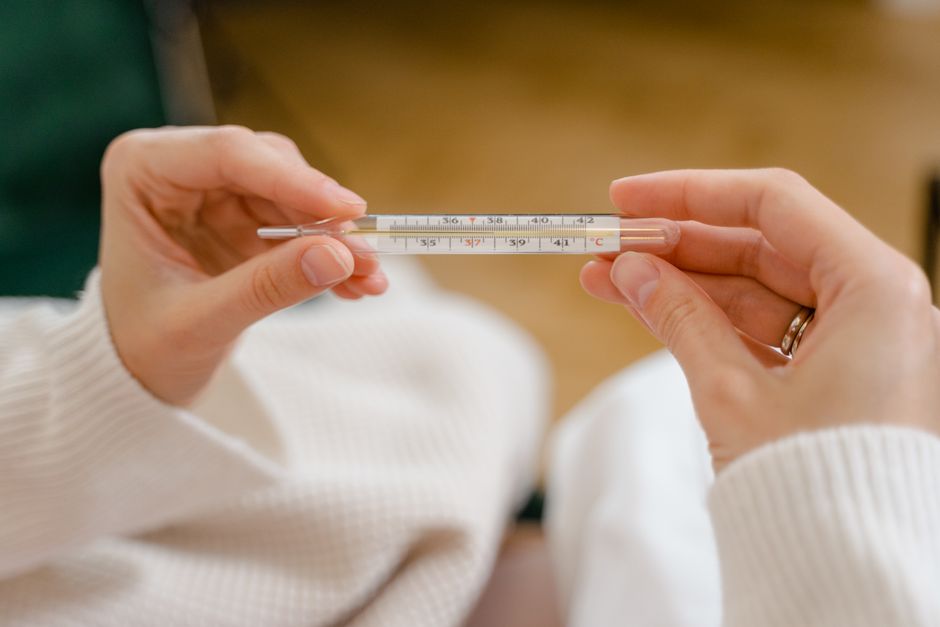
There is no reliable way to test for mercury poisoning at home. Urine and blood mercury tests require a doctor, a lab, and a proper collection protocol. The home test kits sold online — hair kits, saliva strips, “heavy metal” urine dipsticks — have not been validated for diagnosing mercury exposure, and some can produce misleading results. If you suspect mercury exposure, the correct first step is to call your doctor or a poison control center, not to order a kit.
That answer surprises people, because mercury testing sounds like something a kit should handle. It is not. Mercury moves through the body in different forms, collects in different tissues, and clears at different speeds. A test that works for one form at one point in time can miss another form entirely. Understanding why helps you avoid wasting money on a kit that tells you nothing useful — and helps you get the right test if you actually need one.
Why Can’t You Test for Mercury Poisoning at Home?
Mercury testing depends on timing, tissue, and chemical form, and no home kit controls for all three.
Mercury comes in three main forms. Elemental mercury is the liquid metal in old thermometers and some fluorescent bulbs. Inorganic mercury compounds appear in certain industrial processes and some skin-lightening creams. Organic mercury — mostly methylmercury — builds up in large predatory fish like shark, swordfish, and king mackerel.
Each form behaves differently. Methylmercury from fish concentrates in red blood cells and hair. Elemental mercury vapor is absorbed through the lungs and shows up in urine after the body converts it. Inorganic mercury salts also appear largely in urine. A hair test captures methylmercury well but tells you little about a recent vapor exposure. A urine test captures inorganic and elemental exposure but can miss recent methylmercury. Blood tests reflect recent exposure across forms but only for a window of days to weeks.
This is why no single home test can answer the question “do I have mercury poisoning?” The result depends entirely on which form you were exposed to and when. A kit that measures one marker and reports a number gives you a false sense of a complete answer.
There is a second problem. Home kits are not regulated the way clinical labs are. Clinical laboratories in the US that perform mercury testing are subject to federal quality standards, including proficiency testing and calibration requirements. Direct-to-consumer kits generally are not held to those same standards. That means the number on the kit result may not mean what the packaging implies.
What Do Home Mercury Test Kits Actually Measure?
Most kits measure a proxy, not mercury itself, and the proxy is often unreliable.
Hair kits are the most common. Hair does accumulate methylmercury, and hair testing is used in some public health research to estimate population-level fish exposure. But using a single hair sample to diagnose an individual is a different matter. Hair can be contaminated by shampoo, dye, and air pollution. Different labs use different cutoffs. And hair reflects methylmercury exposure over months, not a recent inhalation event.
Saliva strips and “heavy metal” urine dipsticks are a bigger concern. These products often rely on a chemical reaction that is not specific to mercury. Other metals, dietary compounds, and even normal urine chemistry can trigger a color change. A positive result on such a strip does not confirm mercury exposure. A negative result does not rule it out.
Some kits ask you to collect urine at home and mail it to a lab. Even when the lab analysis is legitimate, the collection protocol matters. Provoked urine testing — where a chelating agent is given before collection to “pull out” metals — is used by some alternative practitioners. Major medical organizations have cautioned against this approach for routine diagnosis because it can produce elevated results in people with no real exposure, leading to unnecessary treatment. Chelation itself carries serious risks, including kidney damage and dangerous drops in blood calcium.
If a kit result worries you, do not start any treatment based on it. Take the result to a doctor and ask for a clinical test.
How Do Doctors Actually Test for Mercury Exposure?
Doctors choose the test based on the suspected exposure, and they interpret results alongside symptoms and history.
The standard clinical tests are:
- Blood mercury — best for recent exposure to any form, useful within days to weeks of exposure
- Urine mercury — best for elemental and inorganic mercury, and for chronic low-level exposure to those forms
- Hair or nail mercury — used mainly in research settings to estimate long-term methylmercury exposure, not typically for individual diagnosis
A doctor will also ask about your diet, your work, your home, and any products you use. That history often matters more than the number. Someone who eats tuna daily has a different risk profile than someone who broke a thermometer last week.
Blood mercury levels in the general US population are typically very low. A commonly cited reference point is that blood mercury above 10 micrograms per liter is considered elevated in many clinical contexts, though the exact threshold and its meaning depend on the form of mercury and the person’s situation. Your doctor interprets your result against your specific exposure, not against a universal cutoff.
There is a non-obvious point here. A mildly elevated mercury level does not automatically mean poisoning. “Poisoning” implies symptoms or organ effects. Many people with modestly elevated levels feel fine and need only a change in diet or exposure, with a repeat test later. The test result and the diagnosis are not the same thing.
What Are the Symptoms of Mercury Poisoning?
Symptoms depend on the form, the amount, and how long the exposure lasted.
Acute inhalation of elemental mercury vapor — from a large spill in an enclosed space, for example — can cause cough, shortness of breath, chest tightness, and in serious cases lung damage. This is a medical emergency.
Chronic exposure, which is more common, tends to affect the nervous system. Symptoms can include:
- Tremor, especially in the hands
- Numbness or tingling in fingers, toes, or around the mouth
- Memory problems, irritability, or trouble concentrating
- Sleep disturbance
- Metallic taste
- Kidney effects, which may show up on lab tests before symptoms appear
None of these symptoms are specific to mercury. Tremor, numbness, and memory trouble have many other causes, including thyroid disease, vitamin B12 deficiency, diabetes, and anxiety. That overlap is exactly why a proper clinical evaluation matters. Self-diagnosing mercury poisoning from symptoms alone — or from a home kit — can lead you to miss the real cause.
In pregnant women, methylmercury exposure is a particular concern because it can affect the developing nervous system of the fetus. This is why public health agencies advise pregnant women and young children to avoid certain high-mercury fish. If you are pregnant or breastfeeding and worried about mercury, talk to your doctor rather than relying on a home test.
When Should You See a Doctor Instead of Testing at Home?
See a doctor if you have a known or suspected exposure, or if you have symptoms that could fit mercury poisoning.
Contact a doctor or poison control promptly if:
- You broke a mercury thermometer, a fluorescent bulb, or a device containing mercury and breathed the vapor in a closed space
- You work with mercury or mercury-containing materials
- You eat large predatory fish several times a week
- You use a skin-lightening cream that may contain mercury — many imported creams have been found to contain it
- You have new tremor, numbness, memory problems, or mood changes without a clear cause
For a suspected spill or acute inhalation, leave the area, ventilate it, and call poison control. Do not try to vacuum mercury — heat from the vacuum can vaporize it and spread the vapor.
For chronic concerns, your doctor can order the right test and interpret it correctly. This is one area where the clinical path is genuinely better than the home path, not just more official.
How Can You Reduce Mercury Exposure?
Reducing exposure is more reliable than testing for it after the fact.
For most people, the main source of mercury exposure is fish. Fish is also a valuable source of protein, omega-3 fatty acids, and other nutrients, so the goal is choosing wisely, not avoiding fish entirely. Federal dietary guidance recommends eating a variety of fish and choosing options that are low in mercury. Salmon, sardines, shrimp, pollock, tilapia, and canned light tuna are commonly listed as lower-mercury choices. Shark, swordfish, king mackerel, tilefish, and bigeye tuna are higher and are generally advised against for pregnant women and young children.
Other steps:
- Handle broken mercury devices carefully and follow local disposal guidance
- Check imported skin-lightening creams against FDA warnings
- Follow workplace safety rules if your job involves mercury
- If you are pregnant or breastfeeding, ask your doctor about your specific fish intake
No home test can substitute for these steps. Prevention is straightforward and well supported. Home testing is neither.
Frequently Asked Questions
Can I test for mercury poisoning at home?
No reliable home test exists for diagnosing mercury poisoning. Blood and urine mercury tests must be ordered and interpreted by a doctor.
Are home hair mercury test kits accurate?
Hair does accumulate methylmercury, but single-sample home kits are not validated for individual diagnosis and can be affected by contamination from dyes, shampoos, and air pollution. Clinical hair testing is used mainly in research, not routine diagnosis.
What is the best test for mercury exposure?
Blood mercury is best for recent exposure to any form, while urine mercury is best for elemental and inorganic mercury. Your doctor chooses based on your exposure history.
What should I do if a home mercury test says I have high levels?
Do not start any treatment based on a home kit result. Take the result to a doctor and ask for a clinical test, since chelation based on unverified results can cause serious harm.
