
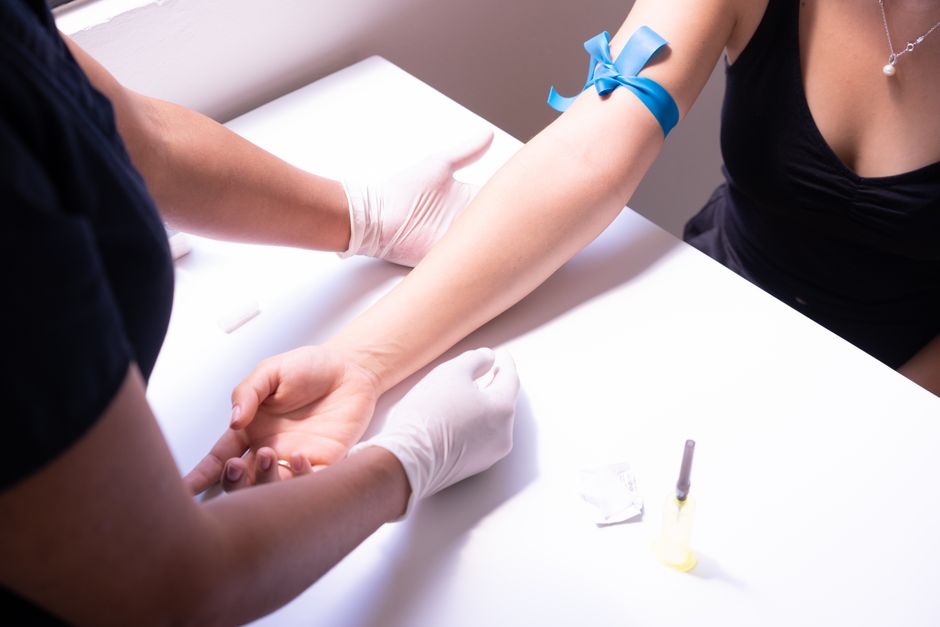
Kidney infections in toddlers are serious and need fast medical attention. Testing involves a urine sample to check for bacteria, and sometimes blood tests or imaging. The key is catching it early because untreated kidney infections can cause permanent kidney damage.
What Is a Kidney Infection in Toddlers?
A kidney infection is also called pyelonephritis. It happens when bacteria travel up from the bladder into one or both kidneys. In toddlers, this is usually a complication of a lower urinary tract infection (UTI) that was not treated or did not clear up.
The infection causes inflammation in the kidney tissue. This can lead to scarring. Scarring reduces how well the kidney works over time. The National Kidney Foundation reports that kidney infections cause most cases of kidney scarring in children under five.
Toddlers cannot tell you their back hurts or that urination burns. This makes diagnosis harder than in older children or adults. Parents must watch for general signs like fever, vomiting, or fussiness.
How To Test For Kidney Infection In Toddlers: The Standard Process
The first step is always a urine test. Doctors need a clean sample to check for white blood cells, nitrites, and bacteria. A standard urine dipstick test done in the office can give results in minutes. If it suggests infection, the sample goes to a lab for a urine culture.
A urine culture is the gold standard. It takes 24 to 48 hours to grow bacteria from the sample. The lab can also identify which antibiotic will kill the specific bacteria causing the infection. This is called sensitivity testing.
Collecting urine from a toddler is not simple. A bag taped to the skin often gets contaminated with skin bacteria. The most reliable method for a suspected kidney infection is a catheter sample or a suprapubic aspiration. A catheter is a thin tube inserted into the urethra to collect urine directly from the bladder. Suprapubic aspiration uses a needle through the lower belly into the bladder. Both are done in a clinic or hospital. They are uncomfortable but provide the most accurate sample.
Blood Tests and Imaging for Kidney Infections
Blood tests help confirm how serious the infection is. A complete blood count can show elevated white blood cells, which signals infection. Blood cultures check if bacteria have spread from the kidney into the bloodstream. This happens in about 10 to 20 percent of children with kidney infections.
Doctors also measure C-reactive protein (CRP) and procalcitonin levels. Both are markers of inflammation. Higher levels suggest a kidney infection rather than a simple bladder infection. Research published in Pediatrics found that procalcitonin levels above 0.5 ng/mL strongly predict kidney involvement in children with UTIs.
Imaging is not always needed right away. But it is common in certain cases. An ultrasound of the kidneys and bladder can check for structural problems that allow bacteria to reach the kidneys. These include blockages, reflux, or stones. A voiding cystourethrogram (VCUG) is an X-ray that shows if urine flows backward from the bladder into the kidneys. This condition is called vesicoureteral reflux and is a major risk factor for kidney infections in toddlers.
| Test Type | What It Detects | When Used |
|---|---|---|
| Urine dipstick | White blood cells, nitrites, blood | First screening in clinic |
| Urine culture | Specific bacteria and antibiotic sensitivity | Confirms infection, guides treatment |
| Blood culture | Bacteria in bloodstream | If high fever or severe illness |
| Kidney ultrasound | Structural issues, stones, blockages | Recurrent infections or first infection under age 2 |
| VCUG | Vesicoureteral reflux | After abnormal ultrasound or recurrent infections |





What Symptoms Should Parents Watch For?
Fever is the most common sign. A fever over 100.4°F without a clear cause like a cold or ear infection should raise suspicion. Many toddlers with kidney infections have fevers that come and go for several days.
Other symptoms include vomiting, poor feeding, and irritability. Some toddlers cry when urinating. Others have foul-smelling or cloudy urine. Diarrhea is also common. A toddler who is not acting like themselves and has a fever for more than two days should see a doctor.
Younger toddlers and infants may only show vague signs. They might be sleepy, not wake for feeds, or have a high-pitched cry. Jaundice — yellowing of the skin — can occur in newborns with kidney infections. The CDC notes that UTIs in infants under 12 months often present with only fever and no other symptoms.
Common Misconceptions About Testing
Many parents think a home urine test strip is enough. It is not. Home strips can miss infections or show false positives. The bacteria count needed for a kidney infection is often higher than what a dipstick detects. Only a lab culture can confirm the diagnosis.
Another myth is that a clean catch urine sample from a toddler is reliable. In practice, toddlers cannot control their stream well enough to produce a midstream sample. Contamination from skin bacteria is very common. Studies show that bagged urine samples have a false positive rate of up to 50 percent. That means half the positive results from bag samples are wrong. Catheter or suprapubic samples are far more accurate.
Some parents also worry that a catheter or needle will traumatize their child. The procedure takes less than a minute. The discomfort is brief. The risk of missing a kidney infection is far greater than the temporary distress of the test. Untreated kidney infections cause real harm.
What Happens After a Positive Test?
If the urine culture confirms a kidney infection, treatment starts with antibiotics. Most toddlers need intravenous (IV) antibiotics in the hospital for the first 24 to 48 hours. This is because kidney infections are serious and oral antibiotics may not reach high enough levels in the kidney tissue quickly enough.
After initial IV treatment, children switch to oral antibiotics for another 10 to 14 days. The total course matters. Stopping early even if symptoms improve can allow the infection to return or cause antibiotic resistance.
Follow-up testing is common. A repeat urine culture after treatment ensures the bacteria are gone. Some children need a follow-up ultrasound or VCUG to rule out underlying problems. The American Academy of Pediatrics recommends imaging for all children under two after their first febrile UTI.
What to Avoid When Testing at Home
Do not try to collect a urine sample from a toddler yourself and wait days to bring it in. Bacteria multiply in stored urine. The sample becomes unreliable. If you collect a sample, refrigerate it and bring it to the lab within one hour if possible.
Do not give your toddler cranberry juice or vitamin C before testing. These can change the pH of urine and interfere with dipstick readings. Some parents also use numbing creams on the genital area before catheterization. Check with your doctor first. Most creams are safe but some can affect urine chemistry.
Never delay medical care because you are waiting for a home test result. If your toddler has a fever and is acting sick, go to the doctor or emergency room. The test is performed there quickly and correctly.
What Research on Kidney Infection Testing Shows
A 2023 study in JAMA Pediatrics looked at over 4,000 children with UTIs. It found that a combination of fever over 102.2°F and high procalcitonin levels correctly identified kidney infections 85 percent of the time. This is better than using fever alone.
Another study from the University of Pittsburgh found that delaying treatment for more than 72 hours from symptom onset increased the risk of kidney scarring by 40 percent. This reinforces why early and accurate testing matters.
Research also shows that routine imaging after a first kidney infection may not be necessary for all children. The American Academy of Pediatrics revised its guidelines in 2016 to recommend imaging only for children with abnormal ultrasounds or recurrent infections. This reduces unnecessary procedures and radiation exposure.
Frequently Asked Questions
How do doctors collect urine from a toddler for a kidney infection test?
Doctors use a catheter inserted through the urethra into the bladder or a suprapubic needle aspiration through the lower belly. Both methods provide a sterile sample that is far more accurate than a bagged collection.
Can a kidney infection in a toddler go away on its own?
No. Kidney infections require antibiotics. Without treatment, the infection can spread to the bloodstream or cause permanent kidney scarring. Prompt medical care is essential.
How long does it take to get results from a toddler kidney infection test?
A urine dipstick gives results in minutes. A urine culture takes 24 to 48 hours. Blood test results are usually available within a few hours. Doctors often start antibiotics based on dipstick and symptoms while waiting for culture results.
Is a kidney infection in a toddler contagious?
No. Kidney infections are caused by bacteria from the child’s own urinary tract. They are not spread from person to person. The underlying UTI may be caused by bacteria from the gut, but the infection itself is not contagious.
