
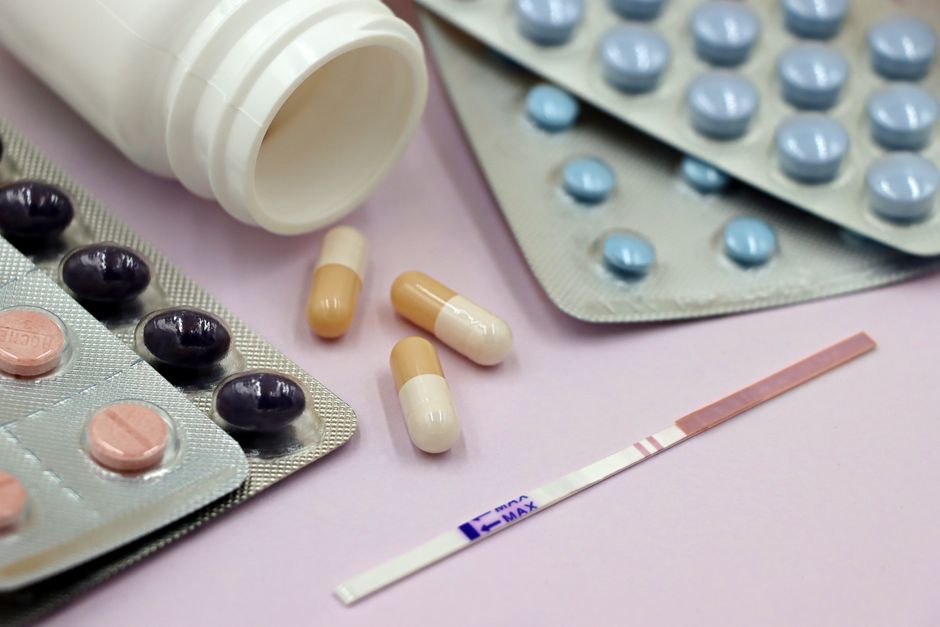
Hormone imbalance can be tested through blood, saliva, and sometimes urine, and each method measures something different. Blood tests measure hormone levels at one moment in time and remain the standard for most diagnoses. Saliva tests measure free, unbound hormone and are used mostly for cortisol and sex hormones. No single test is right for every situation, and the method your doctor chooses depends on which hormone is in question.
How To Test For Hormone Imbalance Blood Saliva More?
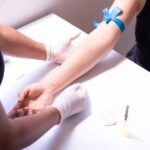
Blood testing is the most established way to check hormone levels. A blood draw gives a precise snapshot of what is circulating at that moment. For many hormones, this snapshot is enough to make a diagnosis or guide treatment.
Saliva testing works on a different principle. Only a small fraction of most hormones travel freely in the blood. The rest are bound to carrier proteins like sex hormone-binding globulin. Saliva contains the free, unbound portion. Supporters argue this reflects what actually reaches tissues. Critics point out that saliva collection is easy to get wrong and that reference ranges vary widely between labs.
Urine testing, usually collected over 24 hours, measures hormone metabolites. It is used in specific situations, such as checking cortisol production over a full day.
So which is better? For most hormones, blood remains the reference method that clinical guidelines are built around. Saliva has a real role for cortisol and has been studied for sex hormones, but it is not a universal replacement. The right choice depends on the hormone, the question being asked, and what your clinician trusts.
What Do Blood Tests Measure That Saliva Cannot?
Blood tests can measure total hormone, free hormone, and the binding proteins that carry them. That matters because a total level alone can mislead.
Take thyroid testing. The standard approach measures thyroid-stimulating hormone, or TSH, along with free T4. TSH is produced by the pituitary gland and reflects how the body is responding to thyroid hormone. A normal free T4 with a high TSH points toward an underactive thyroid. This kind of layered picture is difficult to reproduce with saliva.
Blood also allows testing of hormones that saliva cannot reliably capture. Insulin, for example, is not measured in saliva for clinical purposes. Pituitary hormones like follicle-stimulating hormone and luteinizing hormone are measured in blood. So are prolactin and most adrenal androgens.
One useful distinction: a total testosterone level includes both the hormone bound to proteins and the free portion. Some clinicians order a free testosterone when total levels are borderline. This is a blood test, not a saliva test, in standard practice.
When Is Saliva Testing Actually Useful?
Saliva testing has its clearest established role in measuring cortisol. Cortisol follows a daily rhythm, rising in the morning and falling through the day. A single blood draw cannot capture that pattern well.
Saliva cortisol can be collected at several points across a day, which lets a clinician see the curve rather than a single point. This approach has been used in the evaluation of adrenal conditions, though the specific test chosen depends on what the clinician is looking for. Late-night salivary cortisol is one method used when excess cortisol production is suspected.
Saliva has also been studied for sex hormones like estradiol, progesterone, and testosterone. The evidence here is more mixed. Some studies suggest saliva levels track the free hormone reasonably well. Other work shows wide variability depending on collection method, time of day, and the lab doing the analysis.
Here is a point worth understanding: the free hormone hypothesis, which says only unbound hormone is biologically active, is a genuine concept in endocrinology. But it does not automatically make saliva the best test for every hormone. Measuring something accurately and interpreting it correctly are two different problems.



How Do You Collect A Saliva Sample Correctly?
Saliva collection sounds simple. It is easy to do wrong, and errors can change results.
- Collect at the times your clinician specifies. Cortisol timing matters a great deal.
- Avoid eating, drinking, brushing teeth, or using mouthwash for a set period before collection, usually specified by the lab.
- Do not chew gum or handle the collection device with bare fingers if the instructions say otherwise.
- Some medications, including steroid inhalers and certain hormones, can affect results. Tell your clinician what you take.
- Blood in the mouth from flossing or a canker sore can contaminate a sample.
Follow the specific instructions that come with your kit. Different labs use different devices and different reference ranges. A result is only meaningful against the range from the lab that processed it.
How Do You Prepare For A Blood Hormone Test?
Preparation depends on which hormone is being tested, so the honest answer is that it varies.
Some hormones are sensitive to time of day. Cortisol and testosterone are typically measured in the morning because levels are highest then. Others, like progesterone, are timed to the menstrual cycle if you are still cycling. Thyroid testing generally does not require fasting, but some labs prefer it.
Tell your clinician about every medication and supplement you take. Biotin, a common supplement, can interfere with certain hormone and thyroid immunoassays. Birth control, hormone therapy, and steroids can all change results.
If you are unsure how to prepare, ask the lab or your clinician directly rather than guessing. Getting the timing wrong can produce a result that looks abnormal when nothing is wrong.
Which Method Should You Choose?
For most hormone questions, blood is the starting point. It is the method clinical guidelines are built on, and it is what most endocrinologists use first.
Saliva earns its place for cortisol rhythm testing and, in some hands, for sex hormone monitoring. Urine has niche uses, including 24-hour cortisol collection.
| Method | Best For | Main Limitation |
|---|---|---|
| Blood | Most hormones; standard diagnosis | Single point in time |
| Saliva | Cortisol rhythm; some sex hormones | Collection errors; variable lab ranges |
| Urine (24-hour) | Hormone metabolites over a day | Cumbersome collection |
Avoid the idea that one test is universally superior. The method should match the question. If you are being tested for a thyroid problem, saliva is not the answer. If you are looking at a daily cortisol pattern, saliva can be.
What About At-Home Hormone Test Kits?
Direct-to-consumer hormone kits have grown quickly. Some use saliva, some use a finger-prick blood sample, and some use dried urine.
The evidence on these kits is limited. A result from a home kit is only as good as the lab behind it and the reference range it uses. Many kits do not include a clinician to interpret the result in the context of your symptoms, history, and medications.
This does not mean at-home testing is worthless. It means a result should not be treated as a diagnosis on its own. An abnormal number from a home kit is a reason to see a clinician, not a conclusion. No study has confirmed that home kit results alone reliably guide treatment.
If you use one, bring the results to a clinician who can order confirmatory testing through an accredited lab if needed.
What Symptoms Point Toward Testing In The First Place?
Symptoms are the reason to test, and they guide which test makes sense.
Signs that can prompt hormone evaluation include unexplained weight change, persistent fatigue, changes in menstrual cycles, hair thinning or excess hair growth, mood changes, and temperature intolerance. These symptoms overlap with many conditions, which is why testing is used to narrow things down rather than guess.
No symptom list can tell you which hormone is off. That is the entire reason testing exists. A clinician uses your history and exam to decide what to measure, then interprets the result against your specific situation.
Frequently Asked Questions
Is saliva or blood testing more accurate for hormone imbalance?
Blood testing is the reference standard for most hormones and is what clinical guidelines are built around. Saliva is most useful for cortisol rhythm testing and is more variable for other hormones.
Can saliva testing replace a blood test for thyroid problems?
No. Thyroid evaluation relies on blood tests such as TSH and free T4, and saliva is not used for this purpose in standard practice.
Do I need to fast before a hormone blood test?
It depends on the hormone being tested, so follow the instructions from your lab or clinician. Some hormones are timed to the morning or to your menstrual cycle rather than to fasting.
Are at-home hormone test kits reliable?
The evidence on home kits is limited and results should not be treated as a diagnosis on their own. Bring any result to a clinician who can order confirmatory testing if needed.
