
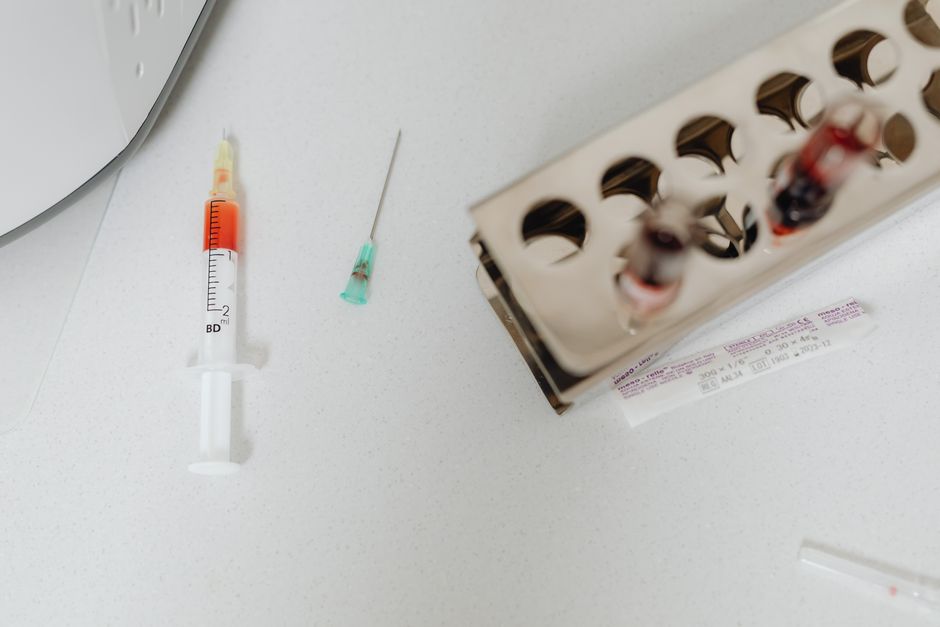
Gout is a form of arthritis that causes sudden, severe joint pain, often in the big toe. Testing for gout is not something you can do at home with a simple kit; it requires a doctor’s evaluation using specific lab tests. The most definitive way to test for gout is a joint fluid test, where a doctor draws fluid from the affected joint to look for uric acid crystals.
What Are the Main Tests for Gout?
Doctors use two main tests to confirm a gout diagnosis. The first is a joint fluid test, also called arthrocentesis. The second is a blood test to measure uric acid levels.
The joint fluid test is the gold standard. A doctor numbs the joint, inserts a needle, and withdraws a small amount of synovial fluid. This fluid is then examined under a microscope. If uric acid crystals are present, the diagnosis is confirmed.
Blood tests measure your serum uric acid level. High levels can support a gout diagnosis, but they are not conclusive on their own. Many people with high uric acid never develop gout, and some people with gout have normal uric acid levels during a flare.
What Does a Joint Fluid Test Involve?
Arthrocentesis sounds more intimidating than it feels. The procedure takes only a few minutes and is done right in the doctor’s office or clinic.
The doctor first cleans the skin over the joint. Then they inject a local anesthetic to numb the area. Once the skin is numb, they insert a thin needle into the joint space and pull back on the syringe to collect fluid.
You may feel some pressure during the procedure. Most people tolerate it well. After the fluid is collected, it is sent to a lab for analysis.
The fluid is examined under a polarized light microscope. Needle-shaped uric acid crystals appear bright yellow when aligned parallel to the light and blue when perpendicular. This finding is the definitive sign of gout.
This test also helps rule out other conditions. Joint fluid can be checked for signs of infection, which requires different treatment. It can also reveal other types of crystals that cause different forms of arthritis.
How Accurate Is a Uric Acid Blood Test?
A blood test for uric acid is useful but not definitive. Normal uric acid levels are typically between 3.5 and 7.2 mg/dL for adults, though exact ranges vary by lab.
During an acute gout flare, uric acid levels can drop. This happens because the crystals that form in the joint pull uric acid out of the bloodstream. A normal blood test during a flare does not rule out gout.
Conversely, high uric acid alone does not mean you have gout. Most people with elevated uric acid, a condition called hyperuricemia, never experience a gout attack. Only about one in five people with high uric acid develops gout.
Doctors use blood tests as supporting evidence, not as a standalone diagnosis. The combination of typical symptoms, risk factors, and lab results helps paint the full picture.


Can Imaging Tests Detect Gout?
Imaging can help in certain situations. X-rays are not useful during early flares because they do not show uric acid crystals. They are more helpful for detecting joint damage from long-standing gout.
Ultrasound and dual-energy CT scans can detect uric acid deposits in joints. These advanced imaging techniques can be useful when the diagnosis is unclear or when joint fluid cannot be obtained.
Ultrasound can show a characteristic double-contour sign, which indicates uric acid crystals coating the cartilage. Dual-energy CT scans can color-code uric acid deposits in the joint.
These imaging tests are not routine for every suspected gout case. They are typically reserved for situations where the diagnosis remains uncertain after joint fluid analysis and blood tests.
What Symptoms Suggest You Need Testing?
Gout attacks have a distinctive pattern. The most common symptom is sudden, intense pain in the big toe, often waking people from sleep. The joint becomes red, swollen, hot, and extremely tender.
Other joints can be affected too. The ankles, knees, wrists, fingers, and elbows are common sites. Gout typically affects one joint at a time, though some people experience attacks in multiple joints.
The pain peaks within 12 to 24 hours and can be so severe that even the weight of a bedsheet is unbearable. Without treatment, the attack usually resolves on its own within one to two weeks.
If you experience these symptoms, especially in the big toe, you should see a doctor. Early diagnosis matters because untreated gout can lead to joint damage and kidney stones.
What Happens If Gout Is Not Treated?
Untreated gout does not just cause painful flares. Over time, uric acid crystals can accumulate and form tophi, which are hard lumps under the skin. Tophi can cause permanent joint damage and deformities.
Recurrent flares can become more frequent and last longer if the underlying uric acid problem is not managed. Some people progress to chronic gouty arthritis, which causes ongoing joint pain and stiffness.
Kidney stones are another risk. Uric acid crystals can form stones in the kidneys, leading to severe back pain and potential kidney damage.
Managing gout involves lowering uric acid levels to prevent crystal formation. This typically requires long-term medication and lifestyle changes, not just treating individual flares.
How To Test For Gout at Home
No reliable home test for gout exists. You cannot diagnose gout with a urine test strip or a finger-prick blood test at home. These methods are not accurate enough for clinical decisions.
Some companies sell home uric acid monitors that use a small drop of blood. These devices can track uric acid trends over time, but they are not designed for diagnosis. They also have variable accuracy compared to lab testing.
If you suspect gout, the right step is to schedule an appointment with your doctor. They can perform the appropriate tests and rule out other conditions that mimic gout, such as pseudogout, infection, or injury.
Do not attempt to self-treat based on home testing. Misdiagnosis can delay proper treatment and allow joint damage to progress.
What Conditions Mimic Gout?
Several conditions produce symptoms similar to gout. Pseudogout, also called calcium pyrophosphate deposition disease, causes sudden joint pain and swelling. It is caused by different crystals and requires different treatment.
Septic arthritis, a bacterial joint infection, is a medical emergency. It causes severe pain, swelling, and fever. This condition must be ruled out because it can destroy a joint within days if untreated.
Other possibilities include joint injuries, cellulitis, and rheumatoid arthritis. A proper joint fluid analysis can distinguish between these conditions with certainty.
This is why accurate testing matters. Treating pseudogout with gout medication will not help. Missing a joint infection can have serious consequences.
What Should You Expect at Your Doctor’s Appointment?
Your doctor will start with a detailed history and physical exam. They will ask about your symptoms, their duration, and any prior episodes. They will also ask about your diet, alcohol intake, and family history of gout.
If the doctor suspects gout, they will likely order a joint fluid test and a blood test. They may also order imaging if the diagnosis is unclear.
Be honest about your symptoms and habits. The more information your doctor has, the more accurate the diagnosis will be. Do not downplay your pain or omit details about your diet or medications.
Bring a list of your current medications and supplements. Some medications, like diuretics, can raise uric acid levels and trigger gout flares.
Frequently Asked Questions
Can a blood test alone confirm gout?
No, a blood test alone cannot confirm gout. High uric acid supports the diagnosis, but many people with high levels never develop gout, and levels can be normal during a flare.
How long does a joint fluid test take?
The procedure itself takes only a few minutes. Results from the lab typically come back within a few days.
Is a gout test painful?
A joint fluid test involves a needle, but the area is numbed first. Most people feel pressure rather than sharp pain, and the discomfort is brief.
Can I test my uric acid at home?
Home uric acid monitors exist, but they are not accurate enough for diagnosis. They may help track trends if you already have a gout diagnosis, but you should always confirm readings with a lab test.
