
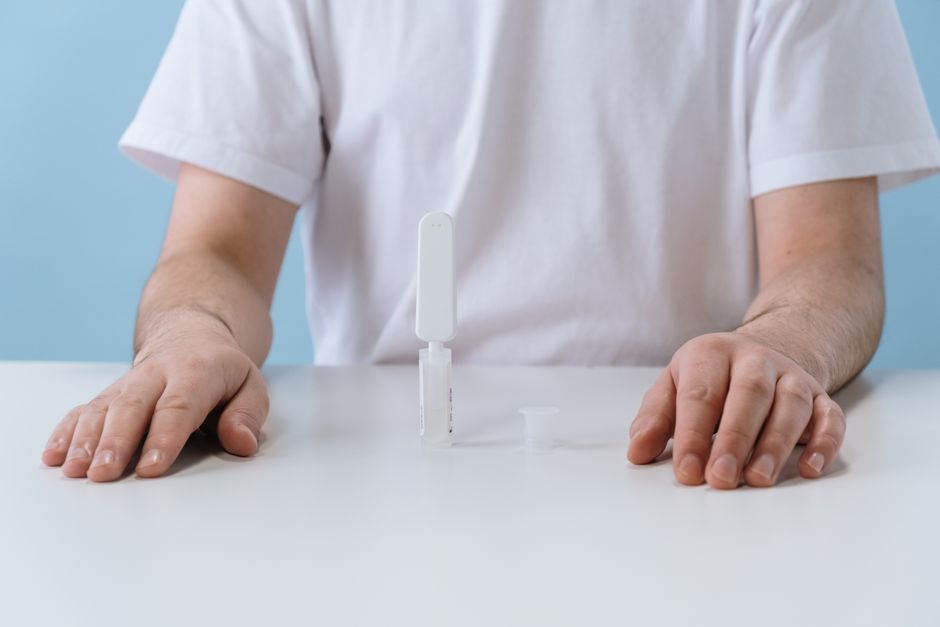
Testing for chloramine in water comes down to two basic approaches: chemical test kits that change color, and digital meters that read a value on a screen. If you want a quick answer, color-matching test kits are cheaper and easier for occasional home checks, while digital meters cost more but remove the guesswork from reading a faint color change. The right choice depends on why you are testing and how precise you need the number to be.
Chloramine is not the same as chlorine. That difference matters for how you test, and it trips up a lot of people who buy the wrong product. Let’s walk through what each method actually measures, where each one fails, and how to avoid the most common mistakes.
What Is Chloramine And Why Does It Change How You Test?
Chloramine is a disinfectant made by combining chlorine with ammonia. Many water systems switched to it because it lasts longer in the pipes than chlorine alone, which helps control disinfection byproducts and keeps water treated all the way to your tap.
That staying power is exactly why testing gets tricky. Standard chlorine tests are built to detect free chlorine — the active, uncombined form. Chloramine is a combined chlorine. A test designed only for free chlorine can read near zero even when chloramine is clearly present in the water.
This is the single most important thing to understand before you buy anything. If your water utility uses chloramine and you test with a free-chlorine-only kit, you may wrongly conclude there is no disinfectant in your water. You need a test that specifically measures total chlorine or combined chlorine, or one labeled for chloramine.
Your water supplier publishes an annual water quality report, often called a consumer confidence report. It states which disinfectant is used. Checking that report first saves you from buying the wrong test entirely.
How Do Chloramine Test Kits Work?
Most chloramine test kits rely on a color-change reaction. You add a reagent — often a powder, tablet, or liquid drop — to a water sample, and the sample turns a shade of pink, yellow, or another color. You then compare that color against a printed chart to estimate the concentration.
The most common chemistry for this is a DPD-based test. DPD reacts with chlorine compounds and produces a color. Some kits measure only free chlorine. Others use a sequence of steps to measure total chlorine, and you subtract the free reading to estimate the combined (chloramine) portion.
Test strips are a simpler version of the same idea. You dip a strip, wait, and match the pad color to a chart. They are fast and cheap but generally less precise than drop-based kits.
Where kits shine:
- Low cost, often a few dollars to around twenty dollars
- No batteries or calibration needed
- Simple enough for anyone to use
- Good for a rough yes-or-no check
Where kits struggle:
- Color matching is subjective, and faint color differences are hard to judge
- Results are usually reported in ranges, not exact numbers
- Reagents expire and lose accuracy over time
- Lighting and background color can shift how you read the result
How Do Digital Chloramine Meters Work?
Digital meters measure the same chemistry but replace your eyes with a sensor. You add the reagent to a sample, place it in the meter, and a photometer or electrode reads the color intensity or electrical signal and displays a number.
Two main types exist. Colorimeter-style meters use the DPD reaction and measure how much light the colored sample absorbs. Electrode-based meters use a probe that responds to the chlorine compounds in the water.
The advantage is objectivity. A digital readout removes the “is that pink or light pink?” problem that plagues color matching. For anyone tracking a value over time, that consistency matters.
The tradeoffs are real, though. Digital meters cost more, often tens to a few hundred dollars depending on quality. They need calibration, fresh batteries, and clean sample cells. A dirty or scratched sample vial can throw off a reading. And a cheap meter is not automatically more accurate than a good kit — a poorly calibrated meter can be worse than careful color matching.



Kits Vs Digital Meters: How To Test For Chloramine Side By Side
Here is how the two approaches compare on the things that usually matter to a home user.
| Factor | Color Test Kit | Digital Meter |
|---|---|---|
| Typical cost | Low | Higher |
| Precision | Range-based, subjective | Numeric, more consistent |
| Ease of use | Very simple | Requires some care |
| Calibration | Not needed | Regularly needed |
| Best for | Occasional home checks | Frequent or precise tracking |
| Main failure point | Reading the color wrong | Calibration and dirty cells |
Neither method is universally better. The question is what you actually need the number for.
Which Method Should You Actually Use?
For most households wanting a basic sense of whether chloramine is present, a total-chlorine or chloramine-specific test kit is enough. It answers the main question — is there disinfectant here — without much cost or fuss.
Digital meters make more sense in a few situations. If you are managing an aquarium, where chloramine is toxic to fish and even small amounts matter, a meter gives you a number you can act on. If you are testing repeatedly over weeks to track a filtration system’s performance, the consistency of a digital readout helps you compare results honestly.
One thing worth knowing: chloramine is harder to remove than chlorine. A standard carbon filter that handles chlorine may not fully remove chloramine, and it can break chloramine down in ways that release ammonia. If you are testing because you are trying to remove it, test the water after your filter, not just before. That tells you whether your treatment is actually working.
Whatever you choose, follow the kit or meter instructions exactly. Timing matters. Sample volume matters. Skipping a step is the most common reason people get a reading that does not match reality.
What Are The Common Mistakes When Testing For Chloramine?
The biggest mistake is using a free-chlorine test and assuming it covers chloramine. It usually does not. Always confirm your test measures total or combined chlorine.
The second mistake is trusting expired reagents. Chlorine test reagents degrade. A kit that sat in a hot garage for two years may give readings that are simply wrong. Check expiration dates.
The third is ignoring sample handling. Rinse the sample container with the water being tested. Do not touch the inside of the vial or the strip pad. Read the color in the same lighting each time, ideally in natural daylight rather than under colored indoor bulbs.
A less obvious point: chloramine levels in tap water can vary through the day and across seasons as utilities adjust dosing. A single test is a snapshot, not a permanent verdict. If you need to know your typical level, test more than once.
Frequently Asked Questions
Can a regular chlorine test kit detect chloramine?
Only if it measures total or combined chlorine, not free chlorine alone. A free-chlorine-only test can read near zero even when chloramine is present.
Are digital chloramine meters more accurate than test kits?
They are generally more consistent because they remove subjective color matching. A poorly calibrated meter can still be less accurate than a carefully used kit.
How do I know if my water even has chloramine?
Check your utility’s annual water quality report, which lists the disinfectant used. If it uses chloramine, choose a test labeled for total or combined chlorine.
Do I need to test after my water filter?
Yes, if your goal is removal. Many carbon filters that handle chlorine do not fully remove chloramine, so testing the filtered water shows whether your treatment works.
