
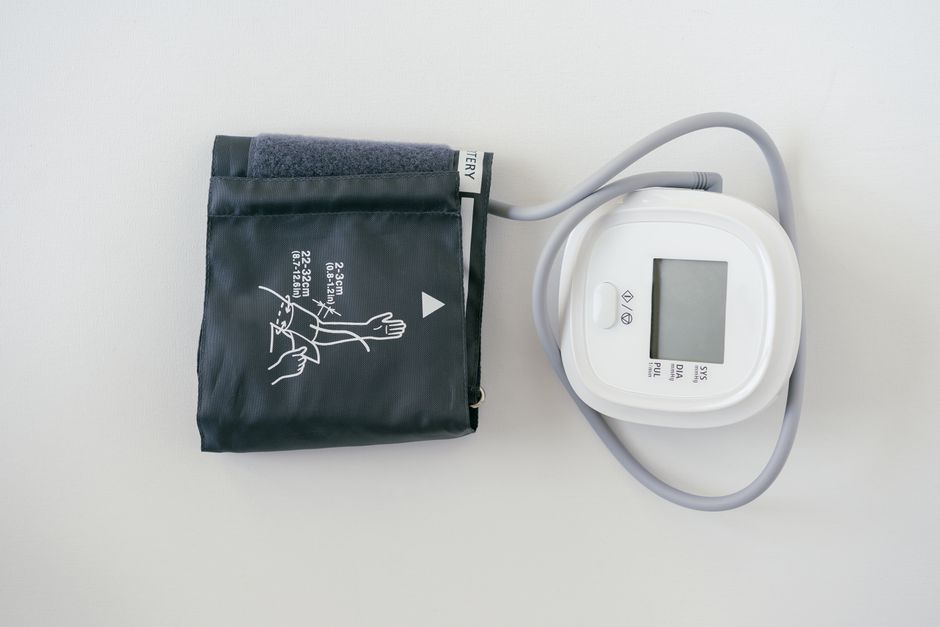
A1C testing can be done at your doctor’s office with a blood draw, or at home with a mail-in kit or an FDA-cleared home analyzer. The test measures the percentage of hemoglobin in your red blood cells that has glucose attached to it, which reflects average blood sugar over roughly the past two to three months. The two settings differ mainly in convenience, cost, and how the results are used — not in what the test fundamentally measures.
What Does The A1C Test Actually Measure?
Hemoglobin is the protein inside red blood cells that carries oxygen. When glucose circulates in the blood, some of it binds to hemoglobin in a process called glycation. Once glucose attaches, it stays there for the life of that red blood cell.
Red blood cells live about three months. So the A1C percentage reflects the average amount of glucose that has been in your blood during that window. A higher percentage means more glucose was circulating over time, not just at the moment of testing.
This is what makes A1C different from a fasting glucose test or a fingerstick reading. Those capture a single point in time. A1C captures the trend.
The result is reported as a percentage. For most adults without diabetes, a normal A1C is below 5.7%. An A1C between 5.7% and 6.4% is classified as prediabetes. An A1C of 6.5% or higher on two separate occasions generally indicates diabetes, according to criteria established by the American Diabetes Association and other major clinical bodies.
One important nuance: A1C does not measure glucose directly. It measures glycated hemoglobin, which is a proxy. Conditions that affect red blood cell lifespan — such as anemia, recent blood loss, or certain hemoglobin variants — can make A1C results less reliable. This is a real limitation, not a rare edge case.
How Is A1C Tested At The Doctor’s Office?
A doctor’s office A1C test requires a small blood sample, usually drawn from a vein in your arm. The sample goes to a laboratory, and results typically come back within one to a few days.
Many clinics also use point-of-care A1C analyzers. These are small devices that process a fingerstick blood sample and give results in about five to ten minutes. Point-of-care devices are cleared by the FDA and are generally considered accurate enough for monitoring, though lab-based methods remain the reference standard.
You do not need to fast for an A1C test. That is one of its practical advantages over fasting glucose testing. You can eat and drink normally beforehand.
Doctors use A1C for several purposes:
- Screening for prediabetes and diabetes
- Monitoring blood sugar control in people already diagnosed with diabetes
- Assessing whether treatment adjustments are needed
- Estimating average glucose over the prior two to three months
The test is typically repeated at intervals. For people with diabetes, it is often checked two to four times per year, depending on how stable blood sugar levels are and what the treating clinician recommends. For screening in people without diabetes, it may be checked every one to three years, depending on risk factors.
Can You Test Your A1C At Home?
Yes, but the options are limited and not equivalent to a lab test. There are two main categories of at-home A1C testing.
The first is a mail-in kit. You collect a blood sample at home — usually by fingerstick onto a special card or into a small tube — and mail it to a certified laboratory. Results come back online or by mail, often within a week or so. The actual analysis is done in a lab, so the method is similar to a doctor-ordered test. The difference is that you are managing the collection and the follow-up.
The second is an at-home A1C analyzer. These are handheld devices sold for home use, some cleared by the FDA. They use a fingerstick blood sample and a test cartridge to produce a result within minutes. Not all devices sold online have FDA clearance, and accuracy can vary between products.
There is also a category of products marketed as “A1C test strips” for use with home glucose meters. Most standard home glucose meters measure blood glucose, not A1C. If a product claims to measure A1C with a standard meter, check whether the meter and strips are specifically cleared for that purpose.
A home A1C result is a screening or monitoring tool, not a diagnosis. If a home test shows an elevated A1C, the next step is confirmation with a lab-based test ordered by a clinician. Diagnosis of diabetes requires proper clinical evaluation, not a single home reading.




How Accurate Are Home A1C Tests Compared To Lab Tests?
Lab-based A1C testing is the reference standard. It is performed under controlled conditions with calibrated equipment and quality controls. Point-of-care and home devices are generally held to the same accuracy standards by regulators, but real-world performance can differ.
Mail-in kits that use certified laboratories should produce results comparable to a doctor-ordered lab test, assuming the sample is collected correctly and arrives in good condition. Collection errors — not enough blood, improper drying, delays in shipping — can affect results.
Home analyzers vary. Some have published validation data showing good agreement with lab methods. Others do not. The FDA maintains a database of cleared devices, and checking whether a specific product has clearance is a reasonable step before relying on it.
No home A1C method is intended to replace clinical evaluation. Even an accurate home result needs context: your medical history, medications, other lab values, and symptoms all matter.
What Can Affect Your A1C Result?
Several factors can make A1C results misleading, regardless of where the test is done.
Conditions that shorten red blood cell lifespan — such as hemolytic anemia, recent significant blood loss, or certain treatments — can lower A1C disproportionately. The number looks better than the actual average glucose.
Conditions that lengthen red blood cell lifespan — such as iron deficiency anemia or vitamin B12 deficiency — can raise A1C. Again, the number may not reflect true average glucose.
Certain hemoglobin variants, including sickle cell trait and some thalassemias, can interfere with some A1C testing methods. Not all methods are affected equally, and labs may use alternative tests in these cases.
Chronic kidney disease and recent blood transfusions can also affect results.
Pregnancy changes red blood cell turnover and is another situation where A1C may be less reliable. For diabetes screening in pregnancy, clinicians typically use other tests, such as the oral glucose tolerance test.
This is why A1C is one piece of the picture, not the whole picture. If your A1C does not match your home glucose readings or your symptoms, that discrepancy is worth discussing with a clinician.
When Should You Test Your A1C?
Screening recommendations vary by organization and by individual risk. The American Diabetes Association recommends A1C screening for adults beginning at age 35, and earlier for adults with risk factors such as overweight or obesity, a family history of diabetes, or a history of gestational diabetes.
For people already diagnosed with diabetes, A1C monitoring frequency is determined by the treating clinician. It is typically checked at least twice a year, and more often if blood sugar is not well controlled or treatment is being adjusted.
Home testing is most useful for people who want more frequent feedback between medical visits, or who have difficulty getting to a lab. It is not a substitute for regular clinical care.
If you are using a home test, keep a record of results and share them with your clinician. Trends over time are more useful than any single number.
Comparing A1C Testing Options
| Method | Sample | Fasting Required | Result Time | Typical Use |
|---|---|---|---|---|
| Lab draw (venipuncture) | Blood from arm vein | No | 1–few days | Diagnosis and monitoring |
| Point-of-care (clinic) | Fingerstick | No | 5–10 minutes | Monitoring, some screening |
| Mail-in kit | Fingerstick, dried sample | No | About a week | Screening or monitoring |
| Home analyzer | Fingerstick | No | Minutes | Screening or monitoring |
None of these methods require fasting. The key differences are convenience, cost, and whether the result is integrated into clinical care.
What Do A1C Results Mean?
A1C is reported as a percentage. The categories below are based on criteria from the American Diabetes Association and are widely used in clinical practice.
- Below 5.7% — normal for most adults without diabetes
- 5.7% to 6.4% — prediabetes range
- 6.5% or higher — diabetes range, if confirmed on a second test
For people with diabetes, treatment targets are individualized. Many clinicians aim for an A1C below 7% for most adults, but targets may be higher or lower depending on age, other health conditions, and risk of low blood sugar. This is a clinical decision, not a universal number.
A1C also corresponds roughly to average glucose. An A1C of 7% corresponds to an estimated average glucose of about 154 mg/dL, based on a widely used formula. Your clinician can translate your A1C into an average glucose estimate if that is helpful for you.
What A1C does not tell you is how much your glucose fluctuates. Two people can have the same A1C with very different daily patterns. For some people, especially those using insulin, continuous glucose monitoring provides information that A1C alone cannot.
Frequently Asked Questions
Can I test my A1C at home without a prescription?
Yes, mail-in kits and some FDA-cleared home analyzers can be purchased without a prescription. A home result is a screening tool, not a diagnosis, and should be confirmed by a clinician if elevated.
Do I need to fast for an A1C test?
No. A1C measures glycated hemoglobin over roughly two to three months and is not affected by what you ate that day. Fasting is not required for A1C, whether at home or at a clinic.
How accurate is a home A1C test compared to a lab test?
Mail-in kits analyzed in certified labs generally produce results comparable to doctor-ordered tests, assuming proper sample collection. Home analyzers vary in accuracy, and not all products sold online have FDA clearance.
What A1C level indicates diabetes?
An A1C of 6.5% or higher on two separate occasions generally indicates diabetes, based on criteria from the American Diabetes Association. An A1C between 5.7% and 6.4% is classified as prediabetes.
