
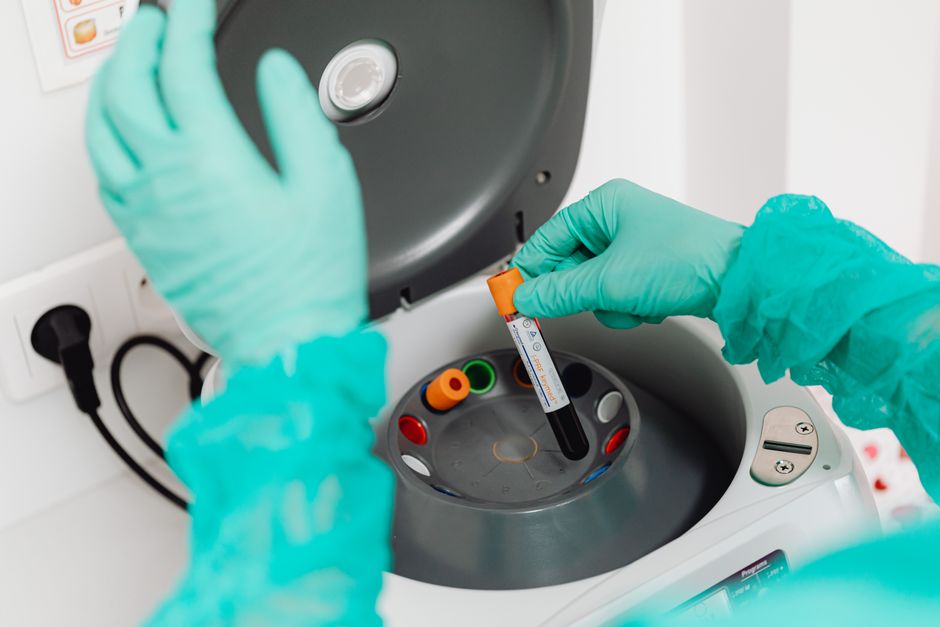
Testing CBD oil starts with reading its Certificate of Analysis (COA) and knowing which lab results actually matter. A legitimate COA shows cannabinoid potency, confirms the THC level is legal, and includes passing tests for pesticides, heavy metals, solvents, and mold. If a company does not provide a COA, that is a red flag you should treat as a dealbreaker.
What Is a Certificate of Analysis (COA)?
A Certificate of Analysis is a document from an independent laboratory that states what is actually inside the product you are buying. It is the only reliable way to verify that a CBD product contains what the label claims.
Think of it as a report card. The lab tests a sample of the oil and records the results. The COA tells you how much CBD is present, how much THC is present, and whether the product is contaminated with things you do not want to consume.
Without a COA, you are trusting the brand’s word. That is not enough. The CBD market has a documented history of products that do not match their labels. Some products contain less CBD than advertised. Some contain more THC than is legal. Some contain contaminants.
Where Do I Find a CBD Oil’s COA?
Most reputable brands publish their COAs directly on their website. Look for a tab labeled “Lab Results,” “Test Results,” or “Certificates of Analysis.” Some brands put a QR code on the product bottle that links directly to the lab report.
If you cannot find a COA on the website, contact the company directly. Ask them to email you the most recent lab report for the specific batch you are considering. A trustworthy company will send it without hesitation.
Here is the critical detail: the COA must match the batch number on your bottle. A COA for a different batch does not prove anything about the product in your hand. Check that the batch number on the COA matches the one printed on your product label.
What Should I Look For in a COA?
Read the COA like a checklist. You are looking for four main categories of information.
Cannabinoid Potency. This section shows how much CBD, THC, and other cannabinoids are in the product. The measured CBD amount should be close to the amount stated on the label. Most labs allow a small margin of error, typically around 10 percent. If the label says 1000 mg of CBD but the lab found only 700 mg, that is a problem.
THC Content. Hemp-derived CBD products sold legally in the United States must contain less than 0.3 percent THC by dry weight. The COA should confirm this. If the THC level is above that threshold, the product is legally considered marijuana in most states and may not be legal for you to possess.
Contaminant Testing. This is where the lab checks for things that should not be in your oil. The key tests are:
- Pesticides
- Heavy metals like lead, arsenic, mercury, and cadmium
- Residual solvents used during extraction
- Microbial contaminants like mold, yeast, and bacteria
- Mycotoxins, which are toxins produced by mold
Each of these should show a “pass” result or a value below the legal limit. A COA that does not test for these contaminants is incomplete. Some labs only test for potency and skip the safety panel. That is not enough.
Terpenes. Some COAs include terpene profiles. Terpenes are aromatic compounds found in hemp that may contribute to the effects of CBD. This information is useful but not essential for safety. Its absence is not a red flag.



How Do I Know the Lab Is Legitimate?
Not all labs are equal. The quality of the testing depends on the lab that performed it. You want to see a COA from an independent third-party lab, not from the manufacturer’s own in-house facility.
Look for labs that use ISO/IEC 17025 accreditation. This is an international standard that confirms the lab meets specific quality and competence requirements. Labs with this accreditation are held to rigorous testing standards. You can verify a lab’s accreditation by searching for its name in the official accreditation databases.
Some well-known labs in the CBD space include Eurofins, ProVerde Laboratories, and SC Labs. These are established facilities with a track record of reliable testing. However, the specific lab name matters less than its accreditation and independence.
Be cautious of COAs that appear to be created by the brand itself. If the COA looks like a simple spreadsheet with no lab letterhead, no accreditation number, and no contact information, treat it with suspicion.
What Are the Biggest Red Flags in CBD Oil Testing?
Some red flags are obvious. Others are subtle and easy to miss if you do not know what to look for.
No COA Available. This is the most common and most serious red flag. If a company cannot or will not provide lab results, there is no way to verify what is in the product. Do not buy it.
Outdated COA. Lab results are batch-specific. A COA from six months ago does not apply to a new batch of oil. The COA should be recent, ideally within the last few months, and must match your specific batch number.
Potency Does Not Match the Label. If the lab found significantly less CBD than the label claims, the product is mislabeled. This is a quality control failure. It also means you are paying for CBD you are not receiving.
THC Above the Legal Limit. A COA showing THC above 0.3 percent means the product is not legal hemp. This could put you at legal risk depending on where you live. It could also produce unwanted psychoactive effects.
Contaminants Detected. A COA showing detectable levels of pesticides, heavy metals, or mold means the product failed safety testing. Some brands will still sell these batches. Do not consume them.
Missing Contaminant Testing. A COA that only lists potency and nothing else is incomplete. Safety testing is not optional. If the lab did not check for pesticides, heavy metals, solvents, or microbes, the product has not been fully vetted.
Vague or Unverifiable Lab Information. If the COA does not clearly state which lab performed the test, or if the lab cannot be found online, that is a problem. A legitimate lab will have a website, a phone number, and verifiable accreditation.
How To Test CBD Oil at Home
You cannot fully test CBD oil at home. No home kit can measure cannabinoid potency or detect contaminants with the accuracy of a professional laboratory. Anyone who tells you otherwise is selling something.
What you can do at home is a basic visual and olfactory check. High-quality CBD oil should be clear to slightly golden in color. It should smell earthy and herbal, not chemical or burnt. Cloudiness or a foul odor can indicate poor processing or contamination.
These checks are not scientific. They are basic quality observations. They cannot replace laboratory testing. The only reliable way to know what is in your CBD oil is to review a legitimate COA from an accredited third-party lab.
Some brands claim their products are “lab tested” without providing the actual report. This is marketing language, not evidence. Always ask to see the document itself. A verbal claim of testing is meaningless without the paperwork to back it up.
What Does the Evidence Say About CBD Label Accuracy?
Multiple studies have examined the accuracy of CBD product labels. The findings are concerning. Research has consistently found that a significant percentage of CBD products do not contain the amount of CBD stated on their labels.
Some products contain far less CBD than advertised. Others contain more. Some products labeled as “THC-free” have been found to contain detectable amounts of THC. This is not a rare problem. It is a documented pattern across the industry.
This is exactly why COAs matter. The label is a promise. The COA is the proof. When the two do not match, the product is unreliable regardless of how good the marketing looks.
Frequently Asked Questions
How do I verify a CBD oil COA?
Check the batch number on the COA against the batch number on your product bottle. Confirm the lab is independent and ISO/IEC 17025 accredited, and verify that potency and contaminant results are within legal limits.
What is a passing THC level for CBD oil?
Legally, hemp-derived CBD products in the United States must contain less than 0.3 percent THC by dry weight. The COA should clearly show the THC level below this threshold.
Can I test CBD oil at home?
No home test can accurately measure cannabinoid potency or detect contaminants. Professional laboratory testing is the only reliable method, which is why reviewing a third-party COA is essential.
What if a CBD brand refuses to share lab results?
Treat this as a major red flag and do not buy the product. Legitimate brands readily share their COAs because they have nothing to hide. Refusal to provide lab results suggests the product may not pass testing.
