
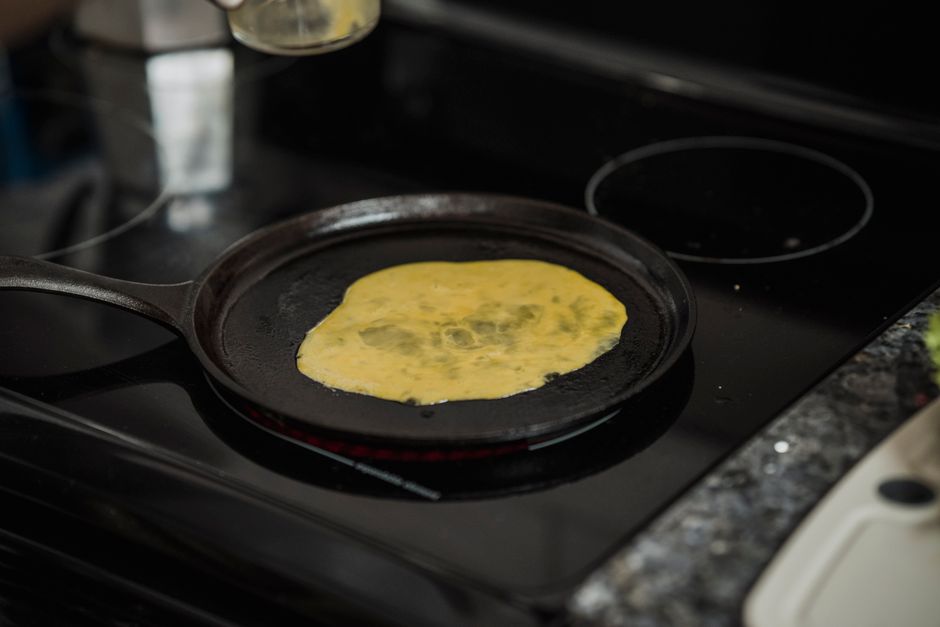
Tempering egg yolks is the technique of slowly raising their temperature so they can be added to hot liquids without turning into scrambled eggs. The goal is to bring the yolks up to the temperature of the hot mixture gradually, not all at once. You do this by adding a small amount of the hot liquid to the yolks while whisking constantly, then pouring the warmed yolk mixture back into the pot.
Why Do Egg Yolks Scramble in the First Place?
Egg yolks are mostly water and protein. When you heat them too quickly, the proteins unfold and then bind together. That binding traps the water, and you get solid curds. That is the same chemical reaction that cooks a whole egg in a pan.
Slow heating allows the proteins to unfold without clumping together. They stay suspended in the liquid, which thickens the mixture instead of curdling it. The key is controlling the speed of the temperature change.
The Standard Tempering Method: Step by Step
Start with your yolks in a bowl. Whisk them briefly to break them up. You want them smooth and uniform before any hot liquid touches them.
Ladle a small amount of hot liquid into the yolks. A few tablespoons is enough for a start. Whisk constantly as you pour. This is the most important step. The whisking spreads the heat quickly so no single part of the yolk gets hot enough to cook.
Add another ladle of hot liquid and whisk again. Continue this process until the bowl feels warm to the touch. When the yolk mixture is warm, you can pour it into the pot of hot liquid while whisking the pot continuously.
The whole process takes less than a minute. The mistake most people make is adding too much hot liquid too fast. Small additions, constant whisking, and patience are the entire technique.
How To Temper Egg Yolks Without Scrambling Them: The Temperature Window
Egg yolks begin to thicken and cook around 150°F (65°C). They form curds around 180°F (82°C). The tempering process keeps the yolks below that first threshold until they are mixed into the larger volume of liquid.
Your hot liquid should be hot but not boiling. If your cream or stock is at a rolling boil, let it sit off the heat for a minute before you start tempering. A simmering liquid is fine, but a vigorous boil is too aggressive for the first addition.
If you have a thermometer, aim for the yolk mixture to reach about 140°F (60°C) before you add it back to the pot. That is warm enough to prevent thermal shock but not hot enough to cook the yolks on contact.





Common Mistakes That Cause Curdling
Adding the yolks directly to the hot pot is the fastest way to get scrambled eggs. No amount of whisking in the pot can save them once they hit that heat all at once.
Skipping the whisk. If you pour hot liquid into yolks and do not whisk, the liquid sits on top and cooks the yolks underneath. You need constant motion to distribute the heat.
Pouring too fast. A slow, steady stream is correct. Dumping a full cup of hot liquid into the yolks raises the temperature too quickly, and the proteins clump.
Cold yolks straight from the fridge. Cold yolks need more hot liquid to warm up, which increases the risk of overshooting. Let your yolks sit at room temperature for 15 minutes before you start.
What If Your Mixture Starts To Curdle?
If you see small lumps forming, you can often rescue the mixture. Immediately remove the bowl from any heat source. Strain the mixture through a fine-mesh sieve to catch the curds.
Straining removes the cooked bits and leaves you with a smooth liquid. This works best if you catch it early. Once the entire mixture has turned into a solid mass, it is done and cannot be saved.
Another rescue method is to blend the mixture. A hand blender can break up small curds and re-emulsify the sauce. This changes the texture slightly but saves the dish.
Why Tempering Works for Custards and Sauces
This technique is the foundation of many classic recipes. Crème brûlée, lemon curd, and homemade ice cream all rely on tempered yolks. The yolks act as a thickener when heated gently.
In these recipes, the yolks do not just get added to hot liquid. The entire mixture is then cooked gently until it thickens. Tempering is the bridge that gets the yolks into the pot safely. Without it, you get a pot of scrambled eggs instead of a silky custard.
The same principle applies to savory dishes. Carbonara sauce uses pasta water to temper eggs off the heat. Some hollandaise recipes start with tempered yolks before adding butter. Once you understand the technique, you can apply it anywhere eggs meet heat.
Alternative Methods for Adding Eggs to Hot Liquids
Some cooks use a different approach: they cool the hot liquid instead of warming the eggs. You can slowly drizzle the hot liquid into the yolks while the pot sits off the heat. This gives you more control over the temperature.
Another method is to mix a starch into the yolks before tempering. Flour or cornstarch coats the proteins and raises the temperature at which they coagulate. This is a common trick in pastry kitchens for making stable pastry cream. The starch also helps prevent curdling if you need to boil the mixture afterward.
Some recipes call for straining the finished sauce regardless of whether it curdled. This is a safety net, not a substitute for proper tempering. It catches any small lumps that formed despite your best efforts.
How To Know When Your Tempered Mixture Is Ready
Your tempered yolks are ready to go into the pot when the bowl feels warm to the touch. If you dip a clean finger in, it should feel like warm bath water, not hot.
You can also watch the texture. The yolk mixture should be smooth and slightly thickened. If you see streaks of cooked egg, you added the liquid too fast or did not whisk enough.
Once the yolks are back in the pot, keep the heat low. Do not let the mixture boil. A gentle simmer is fine for some recipes, but a hard boil will curdle even properly tempered yolks.
Does the Type of Liquid Matter?
The liquid you are tempering into matters less than its temperature. Milk, cream, stock, wine, and water all work the same way. The technique is identical regardless of what you are using.
The one exception is acidic liquids. Acid can also coagulate egg proteins, similar to heat. If you are adding yolks to a very acidic liquid, like lemon juice or wine, temper more slowly and whisk more vigorously. The acid can cause curdling even at lower temperatures.
Fat content also plays a role. Cream and whole milk are more forgiving than water or broth. The fat coats the proteins and makes them less likely to clump. This is one reason custards use cream instead of milk.
Frequently Asked Questions
Can I temper egg yolks with cold liquid?
No, tempering requires hot liquid to gradually raise the yolk temperature. Cold liquid does not warm the yolks, so they will still scramble when you add them to the hot pot later.
How much hot liquid should I add at a time?
Start with a few tablespoons and whisk until fully combined. Add another small ladle only after the previous one is completely incorporated.
Can I fix curdled egg yolks after they scramble?
If you catch it early, strain the mixture through a fine-mesh sieve to remove the curds. If the entire mixture has solidified, it cannot be saved.
Do I need a thermometer to temper egg yolks?
No, you can judge readiness by touch. The bowl should feel warm but not hot, around 140°F (60°C), before you pour the yolks into the pot.
