
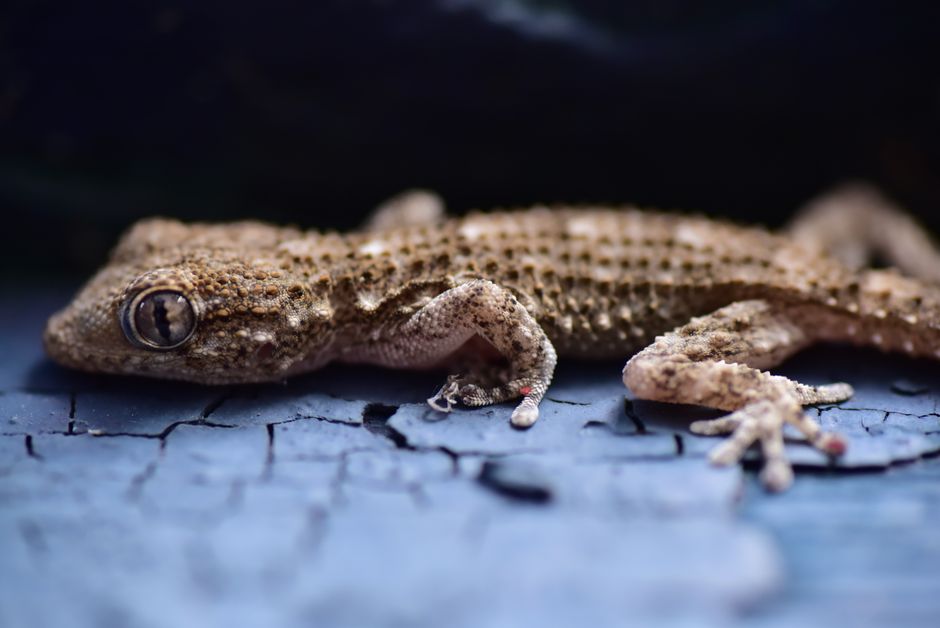
Sexing a gecko comes down to two main physical clues: the hemipenal bulges and the pre-anal pores. Males have two visible bulges at the base of the tail, one on each side of the vent. They also have a distinct V-shaped row of pores just above the vent. Females typically have flat or barely visible bulges and either no pores or very small, faint ones. These differences become clear once the gecko reaches sexual maturity, which varies by species but often happens between 6 and 12 months of age.
What Do Hemipenal Bulges Look Like On A Gecko?
The hemipenal bulge is the most reliable visual clue for sexing most gecko species. Males store their reproductive organs, called hemipenes, inside two sacs located at the base of the tail. These sacs create two distinct, rounded bulges that sit side by side just behind the vent.
In a mature male, these bulges are obvious. They look like two small marbles or a pair of oval bumps under the skin. In females, this area is smooth and flat. There is no noticeable swelling at the base of the tail. The difference is dramatic once you know what to look for, but it takes practice in younger or smaller geckos.
What Are Pre-Anal Pores And Why Do They Matter?
Pre-anal pores are small openings located on the underside of the gecko, just above the vent. They appear as a row of tiny dots arranged in a V or chevron shape. These pores are part of the scent gland system. Males use them to secrete pheromones and waxy substances to mark their territory and signal readiness to mate.
Males have large, prominent pores that are easy to see. They often look like dark or waxy dots in a distinct row. Females have smaller pores or none at all. In many species, female pores are so faint that they are nearly invisible without a magnifying glass. The size and visibility of these pores is the second most reliable indicator of sex.
How To Tell The Gender Of A Gecko Bulges And Pores: Step-By-Step
To sex your gecko accurately, you need good lighting and a gentle touch. Place the gecko on a flat surface or hold it securely but softly in one hand. Use your other hand to lift the tail gently. You need a clear view of the underside, from the belly down to the base of the tail.
Look for two things in this order:
- Hemipenal bulges: Check the base of the tail right behind the vent. Two distinct bulges mean male. A smooth, flat area means female.
- Pre-anal pores: Look at the scales just above the vent. A clear V-shaped row of large, dark dots means male. Faint or absent pores mean female.
If both features point to the same sex, you have your answer. If you see bulges but no pores, or pores but no bulges, recheck your view. You may be looking at a young gecko or a species with less obvious sexual traits. When in doubt, compare your gecko to a known adult of the same species.





At What Age Can You Sex A Gecko?
Age matters a lot here. Hatchlings and juveniles are very hard to sex. Their reproductive organs are underdeveloped, and the bulges and pores have not grown large enough to be visible. Trying to sex a gecko under 4 to 6 months old often leads to mistakes.
Most species show clear sexual differences by 6 months of age. Larger species like leopard geckos are often reliably sexed at this point. Smaller species may take longer. Some geckos, like crested geckos, can be sexed slightly earlier because males develop visible bulges sooner. But for the most accurate result, wait until the gecko is close to a year old. At that age, the differences are unmistakable.
Are There Exceptions Or Species That Are Harder To Sex?
Yes. Not every gecko species follows the same pattern. Some have less obvious bulges, and some have pores that are hard to see even in adults. Day geckos, for example, have a less pronounced hemipenal bulge compared to leopard geckos. This makes them trickier to sex visually.
Certain species also show femoral pores on the thighs in addition to pre-anal pores. Males of these species have a longer row of pores that extends down the leg. Females may have a few small pores or none at all. Knowing your specific species helps because the exact location and prominence of pores varies.
If you cannot tell after a careful look, consider other methods. Some breeders use a technique called “popping,” where gentle pressure is applied to the base of the tail to evert the hemipenes in males. This method requires training and carries a risk of injury if done incorrectly. It is best left to experienced keepers or veterinarians. Another option is waiting. As the gecko grows, the sexual traits become more obvious.
Common Mistakes When Trying To Sex A Gecko
The most common mistake is confusing a thick tail base with hemipenal bulges. A healthy, well-fed gecko stores fat in its tail. A fat tail can look like it has bulges, especially in females. The key is to look for two distinct, separate bulges rather than one rounded mass.
Another mistake is sexing too early. Many new owners are eager to know and try to sex a juvenile. The result is often a wrong guess that later proves to be incorrect. Patience is the best tool here. Wait until the gecko is mature enough for the traits to develop fully.
Poor lighting also causes errors. The pores are small, and the bulges can be subtle. Use a bright light or a magnifying glass if needed. A clear view from the side and from below gives the best information.
Why Does Knowing The Gender Matter?
Knowing the sex of your gecko matters for several practical reasons. If you plan to keep more than one gecko, housing two males together usually leads to fighting. Males are territorial and will compete, sometimes causing serious injuries. Keeping a male and female together can lead to breeding, which requires proper setup and planning for eggs and hatchlings.
Sex also matters for health monitoring. Females can develop egg-binding, a condition where eggs get stuck inside the body. This is a serious medical emergency that requires veterinary care. Knowing your gecko is female helps you recognize the signs early. Males do not face this risk, but they do have their own health considerations, such as impaction of the hemipenes if shedding issues occur.
Frequently Asked Questions
Can you sex a baby gecko by looking at bulges and pores?
No. Hatchlings and juveniles under 4 to 6 months old rarely show clear bulges or pores. Wait until the gecko is older for a reliable answer.
Do female geckos have pre-anal pores?
Some do, but they are much smaller and fainter than male pores. In many species, female pores are nearly invisible without magnification.
Is the hemipenal bulge method accurate for all gecko species?
It is accurate for most common pet species like leopard geckos and crested geckos, but some species have less obvious bulges. Knowing your specific species helps avoid mistakes.
What if my gecko has bulges but no visible pores?
This can happen in young males whose pores have not fully developed. Recheck the gecko in a few weeks or compare it to a known adult of the same species.
