
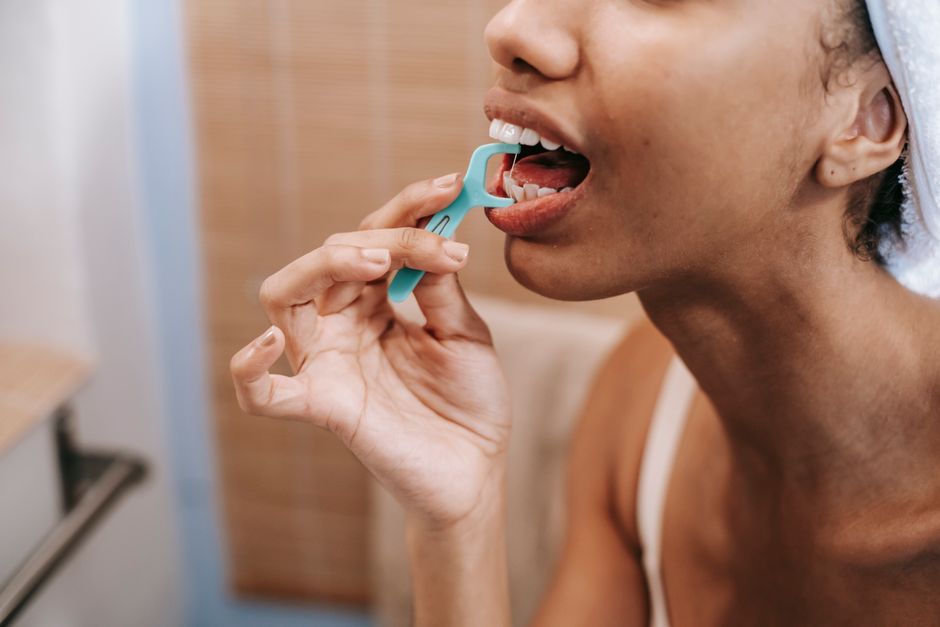
Natural tooth color varies widely from person to person. Most people do not have bright white teeth, and that is completely normal. The real question is whether your teeth are stained or simply their natural shade. This guide helps you tell the difference, so you can decide if whitening is right for you or if your smile is already healthy and normal.
What Is The Natural Color Of Healthy Teeth?
Healthy teeth are not pure white. The natural color of teeth ranges from light yellow to light gray to light brown. This is because teeth have two layers that both affect color.
The outer layer is enamel. It is semi-translucent, meaning light passes through it. The inner layer is dentin, which sits beneath the enamel. Dentin is naturally yellow or yellowish-brown. The thicker and more opaque your enamel is, the whiter your teeth look. The thinner or more translucent your enamel is, the more the yellow dentin shows through.
This is why two people with the same oral hygiene habits can have very different tooth shades. One person may have naturally thicker enamel and whiter teeth. Another may have naturally thinner enamel and more visible yellow dentin. Neither is unhealthy.
How To Tell If Your Teeth Are Yellow Or Just Off White
Look at your teeth in natural daylight, not under bathroom or office lighting. Artificial light can make teeth look different than they really are. Stand by a window and examine your teeth in a mirror.
Ask yourself three questions. First, are the yellow tones on the entire tooth or just in certain spots? Whole-tooth yellowing usually means your natural dentin color is showing through. Spotty yellowing or brown patches more likely indicates staining. Second, did your teeth change color over time, or have they always looked this way? Teeth that were whiter in childhood and slowly yellowed are likely stained. Teeth that always had a yellow tint are probably just your natural shade. Third, do your back teeth look darker than your front teeth? This is normal. Molars naturally have thicker dentin and appear more yellow than front teeth.
One simple test helps. Run your tongue across your front teeth. Stain builds up in a thin film on the surface. If your teeth feel slightly rough or fuzzy near the gum line, you may have surface stain. Clean teeth feel smooth. Brushing with a standard fluoride toothpaste for two days will remove most surface film. If the yellow color stays after a thorough brushing, it is likely deeper than surface stain — either intrinsic stain or your natural tooth color.
What Causes Teeth To Become Yellow Over Time?
Teeth naturally darken with age. This happens for two reasons. Enamel slowly wears down over decades, making it thinner and more translucent. That allows more yellow dentin to show through. At the same time, the dentin itself thickens and darkens as you get older. This is a normal aging process, not a sign of poor health.
External stains come from things that touch your teeth. Coffee, tea, red wine, and dark sodas contain chromogens — deeply pigmented molecules that stick to enamel. Tobacco use causes yellow-brown staining that can become permanent if it penetrates the enamel. Some mouthwashes containing chlorhexidine can cause staining with long-term use. Poor brushing habits allow plaque to build up, and plaque itself can look yellow.
Certain medications can cause intrinsic staining, which means the color change happens inside the tooth. Tetracycline antibiotics taken during childhood tooth development can cause permanent gray or brown bands. This is less common now because these antibiotics are not prescribed to young children as often. Excess fluoride during childhood can cause white or brown flecks on enamel, a condition called fluorosis.
Trauma can also change tooth color. A fall or hit that damages the nerve inside a tooth can cause that single tooth to turn gray, yellow, or brown over time. If one tooth is noticeably darker than the others, it may have had past trauma.





When Is Tooth Yellowing A Sign Of A Problem?
Most yellowing is cosmetic and harmless. But some color changes signal real problems that need dental attention.
If one tooth suddenly darkens without an obvious cause, see a dentist. This can indicate the nerve inside the tooth is dying. A dead nerve can lead to infection and abscess if untreated. If your teeth turn yellow or brown rapidly over weeks or months, that is not normal aging. Rapid color change can indicate enamel erosion from acid, which may require treatment. If you see brown or black spots on your teeth, these may be cavities. Cavities need professional treatment, and they will not resolve with whitening.
Yellowing combined with tooth sensitivity or pain needs evaluation. Acid erosion that thins enamel can cause both yellowing and discomfort with hot, cold, or sweet foods. A dentist can determine whether the enamel is thinning and whether you need protection or treatment.
Does Whitening Work On Natural Tooth Color Or Only Stains?
Whitening products work on both, but the results differ. Peroxide-based whiteners penetrate the enamel and break down colored molecules inside the tooth structure. This means they can lighten the natural yellow tint of dentin that shows through enamel. They also remove deeper stains that brushing cannot reach.
Whitening is most effective on yellow-toned teeth. Yellow responds best to peroxide bleaching. Brown and gray stains respond less predictably. Teeth with very translucent enamel may not whiten much because there is less enamel to whiten. Whitening cannot change the physical structure of your teeth. If your enamel is naturally thin, whitening will not make it thicker or more opaque.
Surface stains from coffee, tea, or tobacco often lift with professional cleaning at the dentist. This is different from whitening. A cleaning removes external stain. Whitening changes the internal color of the tooth. Many people benefit from a cleaning first, then whitening if they still want a lighter shade.
Whitening is not permanent. Results typically last months to a few years depending on your habits. People who drink coffee or tea daily will see stains return faster. Touch-up treatments are common.
What Are The Risks Of Teeth Whitening?
Tooth sensitivity is the most common side effect of whitening. Peroxide penetrates enamel and can temporarily irritate the nerve inside the tooth. This sensitivity usually resolves within days after stopping treatment. Some people experience it more intensely than others.
Gum irritation can occur if whitening gel touches soft tissue. This is more common with at-home trays that do not fit well. Professional treatments use barriers to protect the gums. Over-the-counter strips can also irritate gums if applied carelessly.
Overuse of whitening products can damage enamel. Enamel does not regenerate. Following product instructions matters. Using whitening products more often or for longer than directed does not produce better results. It increases the risk of sensitivity and enamel damage.
Whitening does not work on crowns, veneers, or fillings. These materials do not respond to peroxide. If you whiten your natural teeth, your dental work will stay the same color. This can create a visible mismatch. People with visible dental work should talk to their dentist before whitening.
Do Natural Remedies Whiten Teeth?
Many natural remedies circulate online. Most do not work, and some are harmful. Baking soda is mildly abrasive and can remove some surface stain through physical scrubbing. It does not change the internal color of teeth. Some research suggests baking soda toothpaste removes more surface stain than regular toothpaste, but the effect is modest.
Oil pulling — swishing coconut or sesame oil in the mouth — is popular online. No clinical evidence confirms it whitens teeth. It may reduce plaque and bacteria, which can make teeth look slightly cleaner, but it does not bleach or change tooth color. Claims that oil pulling whitens teeth are not supported by research.
Avoid lemon juice, apple cider vinegar, or other acidic substances as whitening treatments. Acid dissolves enamel. Using these on your teeth removes enamel and makes teeth look more yellow because thinner enamel reveals more dentin. This is the opposite of whitening. Acid erosion is permanent damage.
Activated charcoal is another trend. Charcoal is abrasive and can remove surface stain, but it also wears down enamel over time. No clinical trial has confirmed charcoal safely whitens teeth. Some dentists advise against it because the abrasiveness can damage enamel and the gum line.
Frequently Asked Questions
Can a dentist tell if my teeth are stained or naturally yellow?
Yes, a dentist can usually tell the difference during an exam. They can see whether the color change is on the surface or inside the tooth structure.
Is it normal for teeth to be slightly yellow?
Yes, slight yellow is a natural, healthy tooth color for many people. The yellow comes from dentin showing through translucent enamel.
How long does professional teeth whitening last?
Results typically last from several months to a few years. How long they last depends on your diet, oral hygiene, and whether you smoke or drink staining beverages.
Will whitening make my teeth sensitive permanently?
No, sensitivity from whitening is usually temporary and resolves within days. Permanent nerve damage from professional whitening is extremely rare.
