
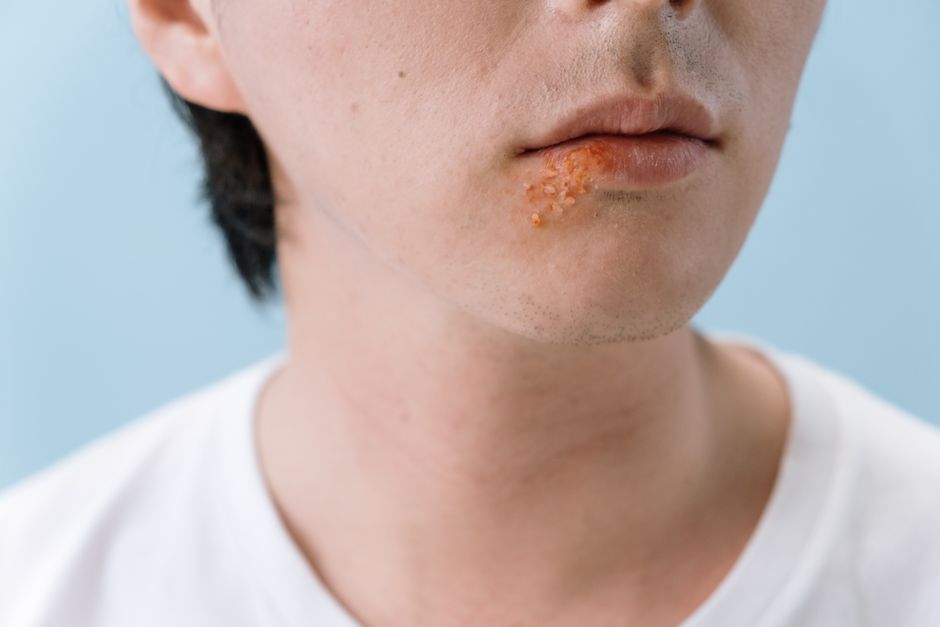
Noticing a sore, blister, or unusual rash in the genital area can be alarming. For men wondering whether they have herpes, the most common signs include small red bumps, blisters, or open sores on the penis, scrotum, or surrounding skin. These lesions often burn, itch, or tingle before they appear, and early symptoms may also include flu-like body aches, swollen glands in the groin, and pain during urination.
What Are the First Signs of Herpes in Men?
The earliest symptoms of genital herpes often appear 2 to 12 days after a person is first exposed to the virus. Many men experience what is called a “prodrome” — a warning phase before visible sores develop. During this phase, a man may feel a tingling, burning, or itchy sensation in the area where sores will later form.
Some men also develop flu-like symptoms during the first outbreak. These can include fever, headache, muscle aches, and swollen lymph nodes in the groin or upper thigh area. Not every man experiences these symptoms, but when they occur they tend to happen within a week of exposure.
After the prodrome phase, small red bumps or white blisters appear. These blisters may burst open, leaving shallow open sores that eventually crust over and heal. The first outbreak is typically the most severe and can last 2 to 4 weeks if untreated.
How To Tell If You Have Herpes Signs In Men?
The most reliable way to tell if you have herpes is to look for the characteristic pattern of blisters or sores and then get tested by a healthcare provider. The sores of genital herpes usually appear as clusters of small, fluid-filled blisters on a red base. They may look like pimples, ingrown hairs, or insect bites at first, but they typically progress to open sores that crust over.
A key distinguishing feature is the prodrome — that tingling, burning, or itching sensation that often occurs hours to days before any visible bump appears. This sensation is caused by the virus traveling along nerve fibers to the skin surface. No other common genital skin condition reliably produces this warning sign.
Herpes sores also tend to recur in the same general location. If you have had similar sores in the same spot before, herpes is more likely than a one-time irritation or razor bump. The sores are usually painful or tender to the touch, and urinating over an open sore can cause a sharp stinging sensation.
Where Do Herpes Sores Appear on Men?
In men, genital herpes sores most commonly appear on the penis, particularly the shaft and head (glans). They can also develop on the scrotum, the perineum (the area between the scrotum and anus), and around the anus. Less commonly, sores may appear on the inner thighs, buttocks, or lower back.
For men who have sex with men, sores may be more common around the anal area, including inside the anal canal. Oral herpes — caused by HSV-1 — can produce cold sores on or around the mouth and lips. Although HSV-1 is usually associated with oral infections, it can also cause genital herpes through oral-genital contact.





What Do Herpes Outbreaks Feel Like?
The physical sensations of a herpes outbreak vary from person to person. Many men describe the prodrome as a distinct tingling, electric, or “pins and needles” sensation. Once sores develop, the pain is often described as raw, burning, or throbbing. Simple activities like walking, sitting, or urinating can become uncomfortable.
Swollen lymph nodes in the groin area are common during an active outbreak. Some men also report shooting pains in the legs, hips, or lower back. These nerve-related pains can persist for a few days after the sores begin to heal.
After the first outbreak, recurrences are usually shorter and milder. Typical recurrent outbreaks last about 7 to 10 days, with fewer sores and less pain than the initial episode. Over time, most men experience fewer outbreaks and less severe symptoms.
How Is Herpes Diagnosed?
If you suspect herpes, see a healthcare provider while sores are present. The standard diagnostic test is a viral culture or PCR swab taken directly from a fresh sore. This test identifies the virus itself and can usually distinguish between HSV-1 and HSV-2.
Blood tests are also available and can detect antibodies to the virus. However, blood tests cannot tell you when or where you were infected, and they may not detect a very recent infection since it takes weeks for antibodies to develop. A negative blood test shortly after exposure does not rule out herpes. Research suggests that type-specific blood tests are accurate for HSV-2 but less reliable for HSV-1, which is extremely common and can cause cold sores unrelated to genital infection.
Self-diagnosis based on appearance alone is not reliable. Many skin conditions — including syphilis, chancroid, herpes zoster (shingles), contact dermatitis, and fungal infections — can look similar to genital herpes. A clinical diagnosis made by an experienced provider is more accurate but still not definitive without laboratory confirmation.
Can Herpes Be Mistaken for Other Skin Conditions?
Yes, genital herpes is frequently mistaken for other conditions. Common misdiagnoses include ingrown hairs, razor burn, jock itch, folliculitis (infected hair follicles), and pimples. These conditions can produce red bumps that look like herpes sores, but they typically do not cause the tingling prodrome or cluster into groups of fluid-filled blisters.
Syphilis, a bacterial sexually transmitted infection, can produce painless sores that may be confused with herpes lesions. Unlike herpes sores, syphilis chancres are usually not painful and do not burn or itch. Syphilis requires different treatment and has serious long-term consequences if untreated, so distinguishing between the two is important.
Contact dermatitis caused by soaps, detergents, lubricants, or latex can also cause redness, itching, and blistering in the genital area. A key difference is that contact dermatitis typically improves once the irritant is removed, while herpes follows a predictable outbreak-and-healing pattern.
What Treatments Are Available for Herpes?
There is no cure for genital herpes. The virus remains in the body for life, living in nerve cells near the base of the spine. However, antiviral medications can manage symptoms, shorten outbreaks, and reduce the frequency of recurrences.
Three antiviral drugs are commonly prescribed for genital herpes: acyclovir, valacyclovir, and famciclovir. These medications work by stopping the virus from multiplying. When taken at the first sign of an outbreak, they can reduce healing time by 1 to 3 days. For men with frequent recurrences — typically 6 or more outbreaks per year — daily suppressive therapy can reduce the number of outbreaks by 70 to 80 percent.
Suppressive therapy also lowers the risk of transmitting the virus to a sexual partner. Research has shown that daily valacyclovir reduces transmission rates by about 50 percent. Condoms also reduce transmission risk, though they do not eliminate it entirely because sores can occur on skin not covered by a condom.
How Can Men Reduce the Risk of Spreading Herpes?
If you have genital herpes, you can take steps to protect sexual partners. Avoid all sexual contact during an active outbreak, from the first sign of prodrome until all sores have completely healed and the skin has returned to normal. This is the period when the virus is most contagious.
Between outbreaks, the virus can still be transmitted through a process called asymptomatic shedding. The virus periodically reactivates and reaches the skin surface without causing visible symptoms. Research indicates that HSV-2 sheds asymptomatically on about 10 to 20 percent of days. Daily suppressive antiviral medication significantly reduces this shedding.
Condoms provide substantial but incomplete protection. Male condoms cover the penile shaft and head, but sores on the scrotum, thighs, or pubic area remain exposed. Female condoms offer more coverage of the external genital area. Discussing your status with partners and allowing them to make informed decisions is not only ethical but also legally required in some jurisdictions.
When Should a Man See a Doctor for Herpes Symptoms?
Any man who has a sore, blister, or rash in the genital area that does not heal within a few days should see a healthcare provider. Early diagnosis allows for prompt treatment and reduces the risk of complications. You should also see a doctor if you have had a known exposure to someone with herpes, even if you do not yet have symptoms.
Men with weakened immune systems — from HIV, organ transplantation, or certain medications — should seek medical attention quickly if they suspect herpes. These individuals may develop more severe or prolonged outbreaks that require specialized management.
If you have a history of genital herpes and develop sores that look different from your usual outbreaks, or if sores fail to heal within two weeks, see a provider. This could indicate a secondary infection, a different skin condition, or rarely, antiviral resistance requiring a change in medication.
Frequently Asked Questions
Can you have herpes and not know it?
Yes, many people with genital herpes have mild or no symptoms and never realize they are infected. Studies estimate that 70 to 80 percent of people with HSV-2 have not been formally diagnosed.
How long does a herpes outbreak last?
A first outbreak typically lasts 2 to 4 weeks. Recurrent outbreaks are usually shorter, averaging 7 to 10 days from prodrome to complete healing.
Is there a cure for herpes?
No. Antiviral medications can manage symptoms, shorten outbreaks, and reduce transmission risk, but the virus remains in the body for life.
Can herpes spread even without sores?
Yes. Asymptomatic shedding — when the virus is active on the skin without visible symptoms — can transmit the infection. This occurs on about 10 to 20 percent of days for HSV-2.
