
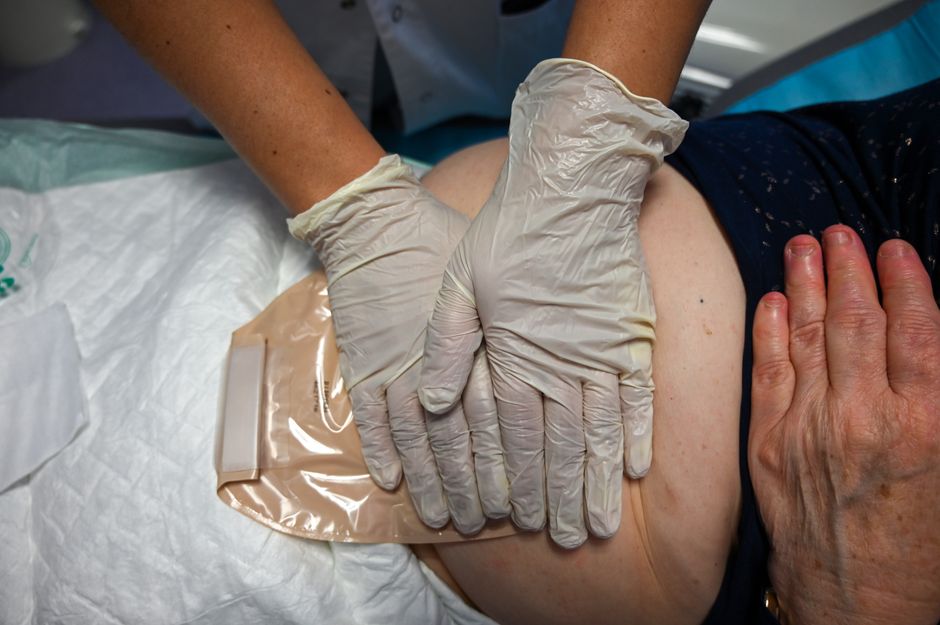
A broken rib is one of those injuries people often try to walk off. The pain can be sharp, but many people assume it is just a bad bruise or a pulled muscle. Here is the direct answer: the most reliable sign of a broken rib is severe pain at one specific spot that gets much worse when you breathe deeply, cough, laugh, or press on that exact area. If you have that kind of pinpoint pain after a fall, a blow to the chest, or even a hard cough, treat it as a possible fracture until a doctor says otherwise. You cannot diagnose a broken rib at home with certainty, but you can recognize the signs that mean you need medical care.
How To Tell If U Have Broken Ribs: The Signs That Matter
The hallmark of a rib fracture is focal pain. That means pain concentrated in one small area rather than spread across the whole chest.
Doctors sometimes call this “point tenderness.” When a physician presses along the ribcage and finds one spot that makes you flinch, that is a meaningful clue. It is not proof, but it strongly suggests a fracture.
Other common signs include:
- Pain that spikes when you inhale deeply, cough, sneeze, or twist your torso
- A sharp, stabbing sensation rather than a dull ache
- Pain that improves when you hold still and worsens with movement
- Tenderness directly over one rib, not across the whole chest
- Bruising or swelling over the injured area, though this does not always appear
One important point: you can have a broken rib with no bruise at all. Bruising depends on whether blood vessels near the surface are damaged. A clean crack in the bone may leave the skin looking normal.
The opposite is also true. A visible bruise does not prove a fracture. Muscle injuries and bruised tissue can discolor the skin too.
Can You Hear or Feel a Broken Rib?
Some people report a cracking or grinding sensation when they move or breathe. This is called crepitus, and it happens when broken bone ends rub against each other or against nearby tissue.
Crepitus is a real sign of fracture, but it is not reliable. Many fractures never produce it, and some people feel popping from cartilage or muscle that has nothing to do with a break.
You should not try to test for crepitus yourself. Pressing and prodding to make the sound happen can worsen the injury or, in rare cases, push a broken rib into deeper structures.
If you already feel or hear grinding without trying, that is worth mentioning to a doctor. It is not something to go looking for.
What Causes a Rib to Break?
Trauma is the most common cause. A fall, a car accident, a direct blow during sports, or a hard impact against a solid object can crack or break a rib.
But trauma is not the only path. Ribs can also break from forceful coughing, especially in people with weakened bones. This is more common in older adults and in anyone with conditions that reduce bone density.
Age matters here. Bone strength tends to decline over time, and the risk of fracture from minor forces goes up. A fall that would only bruise a younger person can break a rib in someone with fragile bones.
Certain medical treatments and conditions can also weaken bones, which raises fracture risk. If you have a history of easy fractures or known bone loss, mention it to your doctor when you describe your injury.


Broken Rib vs. Bruised Rib vs. Pulled Muscle
These three problems feel similar, and even doctors sometimes need imaging to tell them apart. Here is how they generally differ.
| Problem | Typical Pain Pattern | Key Clue |
|---|---|---|
| Broken rib | Sharp, pinpoint, worse with deep breath or cough | Pain in one exact spot; may worsen over hours |
| Bruised rib | Dull to moderate, spread over a wider area | Tender across a region, not one point |
| Pulled muscle | Achy, worse with certain movements | Pain follows the muscle, not the bone line |
This table is a guide, not a diagnosis. Overlap is common, and only a clinician can sort it out with confidence.
One non-obvious thing: the pain from a rib fracture often gets worse in the first day or two, not better. A bruise or strain usually starts fading. If your pain is climbing instead of easing, that points more toward a break.
When a Broken Rib Becomes an Emergency
Most single rib fractures are painful but not dangerous on their own. The real danger comes from what a broken rib can do to the structures around it.
Get emergency care right away if you have any of these:
- Shortness of breath that is getting worse
- Chest pain that feels like pressure or tightness, not just soreness
- Coughing up blood
- Dizziness, fainting, or a rapid heartbeat
- Pain in your shoulder or upper abdomen along with chest pain
- A chest wound or a section of the chest that moves oddly when you breathe
These signs can point to a collapsed lung, internal bleeding, or damage to organs beneath the ribs. Some of these are life-threatening and need treatment within minutes to hours, not days.
Multiple broken ribs are more serious than a single fracture. When several ribs break in more than one place, a section of the chest wall can start moving opposite to the rest of your breathing. This is a medical emergency.
Even with a single fracture, the biggest risk in the days after is a lung infection. Pain makes people take shallow breaths, and shallow breathing lets mucus build up in the lungs. That is why doctors push patients to breathe deeply and cough even when it hurts.
How Doctors Confirm a Broken Rib
A physical exam is the first step. Your doctor will press along the ribs, listen to your breathing, and ask about how the injury happened.
Imaging comes next, and this is where things get interesting. Standard chest X-rays often miss rib fractures, especially early on and especially for fractures that are not displaced. A normal X-ray does not rule out a break.
When the diagnosis matters, doctors may use other imaging. CT scans pick up more fractures than plain X-rays. Ultrasound is also used in some settings and can detect fractures a chest X-ray misses.
If you are told your X-ray is clear but your pain matches the pattern of a fracture, that is worth a follow-up conversation. It does not mean nothing is wrong.
What Recovery Usually Looks Like
Most simple rib fractures heal on their own over several weeks. There is no cast for a rib, so treatment focuses on managing pain and keeping your lungs clear.
Pain control matters more than people expect. When pain is well controlled, you can breathe deeply and cough, which lowers the risk of pneumonia. Some clinicians recommend specific pain strategies, and the approach varies by patient and by how many ribs are involved.
A few general points that are widely accepted:
- Do not wrap or bind the chest tightly. This was done in the past, but it restricts breathing and raises the risk of lung problems.
- Keep moving gently as tolerated. Total bed rest is not helpful for most people.
- Follow up if pain is not improving or is getting worse.
Healing timelines vary. Many people feel substantially better within a few weeks, but some soreness can linger longer. Older adults and people with multiple fractures often take more time.
Talk to your doctor about what is normal for your situation. Do not assume a fixed timeline, because recovery depends on age, overall health, and how many ribs are broken.
What Not to Do
There is a lot of bad advice online about rib injuries. Here is what to avoid.
Do not tape or wrap your ribs to “support” them. This old approach can restrict your breathing and increase the chance of a lung infection.
Do not push through severe pain to prove you are fine. Pain that stops you from breathing deeply is a problem, not a test of toughness.
Do not rely on a single clear X-ray to dismiss your symptoms. As noted, X-rays miss many rib fractures.
And do not ignore shortness of breath, chest pressure, or coughing up blood. Those are not “wait and see” symptoms.
Frequently Asked Questions
How can I tell if I broke a rib or just bruised it?
A broken rib usually causes sharp pain in one exact spot that gets worse with deep breathing or coughing. A bruise tends to be tender over a wider area with a duller ache. Only a doctor can tell them apart for certain.
Can a broken rib heal on its own?
Most single rib fractures heal without surgery, usually over several weeks. Pain control and deep breathing matter because they lower the risk of lung infection. Multiple fractures or breathing problems need medical care.
Should I go to the ER for a broken rib?
Go to the ER if you have shortness of breath, chest pressure, coughing up blood, dizziness, or a rapid heartbeat. A single painful rib without those signs can often be checked by a doctor within a day or two.
Does a broken rib show up on an X-ray?
Not always. Standard chest X-rays miss many rib fractures, especially early or non-displaced ones. A clear X-ray does not rule out a break, and CT or ultrasound may be needed.
