
You cannot confirm a receipt is BPA-free by looking at it, feeling it, or checking whether the ink smudges. The only reliable way is to read the manufacturer’s material declaration or a third-party test report. Thermal paper that uses a different developer — most often bisphenol S (BPS) — is common, and “BPA-free” on a label does not mean the paper is free of bisphenols. It means it is free of one specific bisphenol.
That distinction matters more than most shoppers realize. BPA and BPS are chemically related, and research on BPS suggests it is not a clearly safer substitute. So the real question is not just “is it BPA-free” but “what replaced the BPA, and how do I know?”
How Can You Tell If Thermal Paper Is Truly BPA-Free?
You can’t tell by appearance. BPA-free thermal paper and BPA-containing thermal paper look identical — same white or off-white surface, same slight sheen, same behavior when you scratch it or apply heat. The color-forming chemistry happens at the molecular level, and the paper is designed to look and feel the same regardless of which developer is used.
The only dependable sources of information are:
- A written material declaration from the manufacturer or supplier. This should name the specific developer used, not just claim “BPA-free.”
- A third-party laboratory test report. Look for testing that identifies which bisphenol is present and at what concentration.
- Regulatory listings where they exist. Some jurisdictions require disclosure or restrict certain bisphenols in thermal paper, which can help you trace a product’s status.
A supplier who cannot tell you what developer is in their paper does not actually know whether it is BPA-free. That is the practical test: ask for the chemistry, not the marketing claim.
Why “BPA-Free” Labels Don’t Prove Much
“BPA-free” is a claim about absence, and absence claims are easy to make and hard to verify. A receipt can be labeled BPA-free and still contain BPS, which is now one of the most common replacements in thermal paper.
The reason is manufacturing. Thermal paper works because a developer — a chemical that reacts with a dye when heated — turns the paper dark where the printer’s heat touches it. BPA was historically the dominant developer. When concerns about BPA grew, many manufacturers switched to BPS and other alternatives. The paper still works the same way. The label still says BPA-free. The developer is simply different.
Research on BPS has raised its own questions. Some studies suggest BPS can interact with hormone systems in ways similar to BPA, though the human evidence is less developed than for BPA. That does not mean BPS is proven harmful at typical exposure levels. It does mean “BPA-free” is not a clean bill of health. It is a statement about one chemical.
What Is Actually in Thermal Paper?
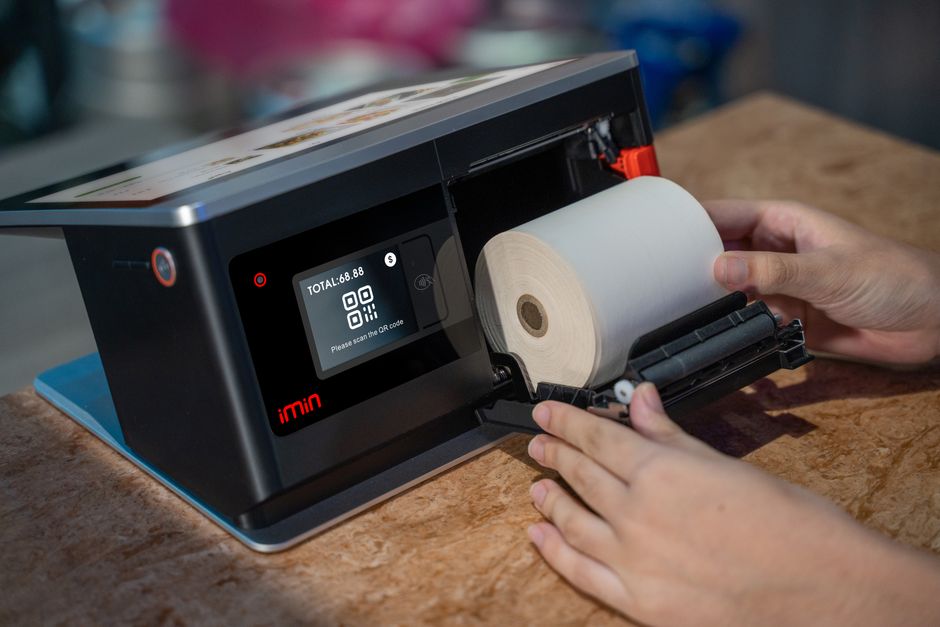
Thermal paper has three main functional layers: a base paper, a leuco dye that is colorless until activated, and a developer that triggers the color change when heated. The developer is the ingredient that matters for the BPA question.
Common developers in thermal paper include:
- Bisphenol A (BPA) — the historical standard, still present in some paper.
- Bisphenol S (BPS) — a frequent replacement, widely used in receipts.
- Other bisphenol alternatives and non-bisphenol developers — used by some manufacturers, with varying disclosure.
There is a useful clarification here that often gets lost: the concern with thermal paper is not the printed ink. It is the coating — the developer is distributed across the paper surface, including the blank areas and the back. That is why handling a receipt transfers the chemical to your skin, and why the back of the paper can carry as much or more than the front. Touching the printed numbers is not the main exposure route. Touching the paper at all is.
How Does BPA Get From Receipts Into Your Body?
BPA in thermal paper is unbound — it is not chemically locked into the paper fibers. It sits on the surface and transfers readily to skin. From there, it can be absorbed through the skin, and it can also enter the mouth from hand-to-mouth contact or from handling food after touching a receipt.
Skin absorption is the route that has drawn the most research attention. Studies have found that BPA can pass through skin, and that holding a receipt can raise measurable BPA levels. The amounts are generally small, and the body clears BPA relatively quickly — it is metabolized and excreted, with a short biological half-life. That short half-life is why repeated exposure matters more than any single receipt.
Certain conditions increase transfer. Moist or greasy hands, hand sanitizer, and lotions can increase how much BPA moves from paper to skin. So can prolonged contact — holding a receipt for a while, or keeping one in a pocket or wallet against skin. These are practical, well-established points about dermal transfer, not claims about disease risk.
Does BPA in Receipts Actually Pose a Health Risk?
The evidence is genuinely mixed, and honest reporting has to say so. BPA is an endocrine-disrupting chemical in laboratory and animal studies — it can interact with estrogen receptors and has been associated with effects on hormone signaling. Human studies have linked higher BPA exposure to various health outcomes, but these are observational studies, and observational data cannot prove that BPA caused the outcome.
What is well established: BPA is detectable in most people in countries where it is widely used, receipts are a recognized source of exposure, and regulators in some regions have restricted BPA in thermal paper specifically because of concerns about handling exposure. The European Union, for example, has moved to restrict BPA in thermal paper. That reflects a precautionary regulatory judgment, not proof of harm at typical receipt-handling levels.
What is not established: a specific receipt-handling habit causing a specific disease. No clinical trial has shown that. Anyone who tells you a receipt will make you sick, or that receipts are definitively safe, is going beyond the evidence in opposite directions.
Practical Steps to Reduce Exposure
Reducing exposure is reasonable even though the risk picture is uncertain, because the steps are simple and low-cost. None of these are proven to prevent disease. They reduce contact with a chemical that regulators have flagged.
- Decline receipts when you don’t need them. Digital or emailed receipts avoid the paper entirely.
- Don’t hold receipts longer than necessary. Put them away rather than handling them.
- Wash hands after handling receipts, especially before eating. Soap and water remove surface chemical effectively.
- Avoid hand sanitizer before touching receipts. Some research indicates sanitizer can increase dermal transfer of BPA; wash with soap and water instead when you can.
- Keep receipts out of pockets and away from skin for long periods.
- Don’t let young children handle or mouth receipts. Children have developing systems and higher hand-to-mouth behavior.
For people who handle receipts all day — cashiers, retail workers — the exposure is more continuous. Some clinicians and occupational health researchers suggest gloves or frequent handwashing for high-volume handlers. That is common-sense guidance rather than a proven preventive protocol.
What Should You Ask a Supplier or Manufacturer?
Ask for the specific developer chemistry, not a BPA-free claim. A credible answer names the chemical — for example, “BPS-free, using a non-bisphenol developer” or “contains BPS.” A vague answer like “our paper is BPA-free and safe” tells you nothing about what is actually in it.
Ask whether there is a third-party test report and what it tested for. A report that only tests for BPA will not tell you about BPS. Ask whether the paper meets any applicable regulatory restriction in the market where it is sold. And ask whether the declaration covers the full paper, including the coating, not just the printed area.
A supplier who can answer these questions clearly is more likely to actually know their product. A supplier who cannot is asking you to trust a label.
Frequently Asked Questions
Can you tell if a receipt is BPA-free by scratching it?
No. Scratching or heating thermal paper only shows that it is thermal paper, not which developer it contains. BPA and BPS papers respond the same way to heat and friction.
Is BPS-free the same as BPA-free?
No. They are different chemicals, and a paper can be free of one and contain the other. A BPA-free label says nothing about BPS content.
Are all store receipts made with BPA?
No. Many receipts now use BPS or other developers instead of BPA, and the mix varies by manufacturer and region. You cannot tell which by looking.
Should I worry about touching receipts?
Receipts are a recognized source of BPA exposure, and regulators in some regions have restricted BPA in thermal paper. The health risk from typical handling is uncertain, so simple steps like washing hands and declining unnecessary receipts are reasonable.
