
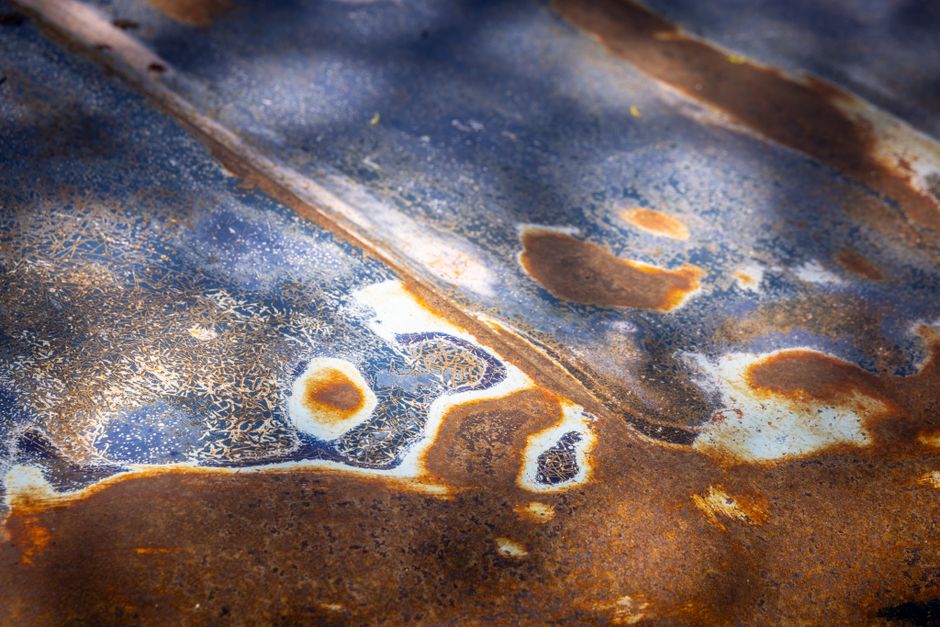
Oxidation and reduction are two sides of the same chemical coin. When one substance loses electrons, it is oxidized. When another substance gains those electrons, it is reduced. You can tell which is which by tracking the electrons: the atom that loses electrons is oxidized, and the atom that gains them is reduced. This simple electron transfer drives everything from rust forming on a car to the energy your body produces from food.
What Do Oxidation and Reduction Actually Mean?
Oxidation and reduction are chemical reactions that always happen together. Chemists call this a redox reaction. You cannot have one without the other because electrons must go somewhere.
Here is the core rule: Oxidation is the loss of electrons. Reduction is the gain of electrons. A useful memory trick is “OIL RIG” — Oxidation Is Loss, Reduction Is Gain.
The names can be confusing. Reduction sounds like something is being taken away, but reduction actually means gaining electrons. The term comes from the early days of chemistry when smelting metals like iron ore, which involves adding electrons to metal ions to produce pure metal. The metal’s mass was “reduced” in the process, so the name stuck.
How To Tell If Something Is Oxidized Or Reduced
Look at the oxidation number, also called the oxidation state. This is a bookkeeping number chemists assign to atoms to track electron transfer. It is not a real physical charge, but it tells you exactly what happened in the reaction.
Follow these steps to identify oxidation and reduction:
- Find the oxidation number of the atom before the reaction.
- Find the oxidation number of the same atom after the reaction.
- If the number increased, the atom was oxidized.
- If the number decreased, the atom was reduced.
For example, consider iron rusting. Iron metal has an oxidation number of 0. When it reacts with oxygen, it becomes iron oxide, where iron has an oxidation number of +3. The number went from 0 to +3, so the iron was oxidized. The oxygen went from 0 to -2, so the oxygen was reduced.
In simple reactions involving metals, the pattern is easy. A pure metal always starts at oxidation number 0. When it forms a compound, its oxidation number becomes positive, meaning it lost electrons and was oxidized. A nonmetal like oxygen or chlorine usually starts at 0 and becomes negative, meaning it gained electrons and was reduced.
Why Do Oxidation Numbers Matter?
Oxidation numbers let you track electrons without drawing every single electron in a molecule. They follow predictable rules that chemists have established.
Some key rules for assigning oxidation numbers:
- A pure element has an oxidation number of 0.
- Hydrogen is usually +1 in compounds.
- Oxygen is usually -2 in compounds.
- The sum of oxidation numbers in a neutral compound is 0.
- In an ion, the sum equals the ion’s charge.
These rules work for most reactions you will encounter. There are exceptions, like hydrogen in metal hydrides where it is -1, but those are less common.
In a reaction, the total increase in oxidation numbers must equal the total decrease. Electrons are conserved. If one atom loses two electrons, another atom must gain exactly two. This balance is how you can check your work on any redox problem.





Common Examples in Everyday Life
Rusting is the most visible example of oxidation. Iron combines with oxygen and water to form hydrated iron oxide, which we call rust. The iron loses electrons and is oxidized. The oxygen gains electrons and is reduced.
Bleaching is another common redox reaction. Hydrogen peroxide oxidizes colored molecules in stains, breaking their chemical structure so they no longer absorb visible light. The stain molecule is oxidized, and the peroxide is reduced.
Your body runs on redox reactions constantly. Cellular respiration involves a carefully controlled series of oxidation and reduction steps. Glucose is oxidized, and oxygen is reduced to form water. The energy released in these steps is captured in a molecule called ATP, which powers your cells.
Food spoilage is often oxidation. When cut fruit like apples or avocados turns brown, it is because phenolic compounds in the fruit react with oxygen in the air. The compounds are oxidized, forming brown pigments. A squeeze of lemon juice slows this process because vitamin C, an antioxidant, gets oxidized instead of the fruit.
How Antioxidants Fit Into Redox Chemistry
Antioxidants are substances that can be oxidized without becoming harmful. They donate electrons to reactive molecules called free radicals, neutralizing them before they can damage cells, DNA, or proteins.
When an antioxidant like vitamin C neutralizes a free radical, the vitamin C itself becomes oxidized. This is not a problem because the oxidized form of vitamin C is stable and harmless. The body can regenerate it through other redox reactions.
This is why antioxidants are important. They act as electron donors that protect other molecules from oxidation. The term “antioxidant” literally means “against oxidation.”
Some research suggests that diets rich in antioxidants from fruits and vegetables are associated with better health outcomes. However, high-dose antioxidant supplements have not consistently shown the same benefits in clinical trials. The evidence for supplements is mixed, and some studies have even raised questions about potential harm at very high doses.
Redox Reactions in Batteries and Technology
Batteries work entirely through redox reactions. In a battery, oxidation happens at one electrode called the anode. Reduction happens at the other electrode called the cathode. Electrons flow from the anode through the wire to the cathode, creating an electric current.
In a standard alkaline battery, zinc is oxidized at the anode and manganese dioxide is reduced at the cathode. When the reactants are used up, the battery is dead. Rechargeable batteries work the same way, but the reactions can be reversed by applying an external voltage.
Fuel cells use redox reactions to generate electricity from fuels like hydrogen. Hydrogen is oxidized at the anode, and oxygen is reduced at the cathode. The only waste product is water. This is why fuel cells are of interest for clean energy applications.
Oxidation and Reduction in Medicine and Health
Oxidative stress is a term you have likely heard. It refers to an imbalance between free radical production and the body’s ability to neutralize them with antioxidants. When free radicals outnumber antioxidants, they can damage lipids, proteins, and DNA.
This damage is linked to aging and many chronic diseases, though the exact role is still being studied. Some research suggests oxidative stress contributes to conditions like heart disease, diabetes, and neurodegenerative disorders. The evidence is not definitive, and scientists do not fully agree on how central oxidative stress is to these conditions.
Blood oxygen levels are also a form of redox chemistry. Hemoglobin in red blood cells carries oxygen. When oxygen binds to iron in hemoglobin, the iron is oxidized. This is how oxygen gets transported from your lungs to your tissues.
Many medications work through redox mechanisms. Some cancer treatments generate reactive oxygen species to kill tumor cells. Other drugs act as reducing agents to neutralize toxic substances in the body. Understanding redox chemistry is fundamental to how doctors think about disease and treatment.
How To Test for Oxidation and Reduction in the Lab
In a laboratory setting, chemists use several methods to identify oxidation and reduction. The simplest is a redox titration, where a known oxidizing or reducing agent is added to a sample until the reaction reaches completion. The amount of reagent used tells you how much of the target substance was present.
Electrochemical methods are also common. A voltmeter connected to electrodes in a solution can measure the tendency of a substance to gain or lose electrons. This is how pH meters and many medical diagnostic devices work.
Color changes often signal redox reactions. Many transition metal ions change color when their oxidation state changes. For example, iron in the +2 state is pale green, while iron in the +3 state is yellow-brown. This is why rust has its characteristic orange color.
In a clinical setting, doctors measure oxidation and reduction indirectly. Blood tests for oxidative stress markers, like malondialdehyde or F2-isoprostanes, give an estimate of oxidative damage in the body. These tests are used mainly in research settings rather than routine clinical care.
Frequently Asked Questions
What is the easiest way to remember oxidation vs reduction?
Use the acronym OIL RIG: Oxidation Is Loss (of electrons), Reduction Is Gain (of electrons). This is the simplest way to keep the two straight.
Is oxygen always involved in oxidation?
No. Oxidation originally meant reacting with oxygen, but the modern definition is purely about electron loss. Many oxidation reactions do not involve oxygen at all.
Why is reduction called reduction if it gains electrons?
The term comes from metallurgy, where removing oxygen from metal ores reduced the ore’s mass. The electron gain happens to accompany this mass reduction, so the name stuck historically.
Can you have oxidation without reduction?
No. Electrons must go somewhere. Every oxidation reaction requires a corresponding reduction reaction, which is why they are called redox reactions.
