
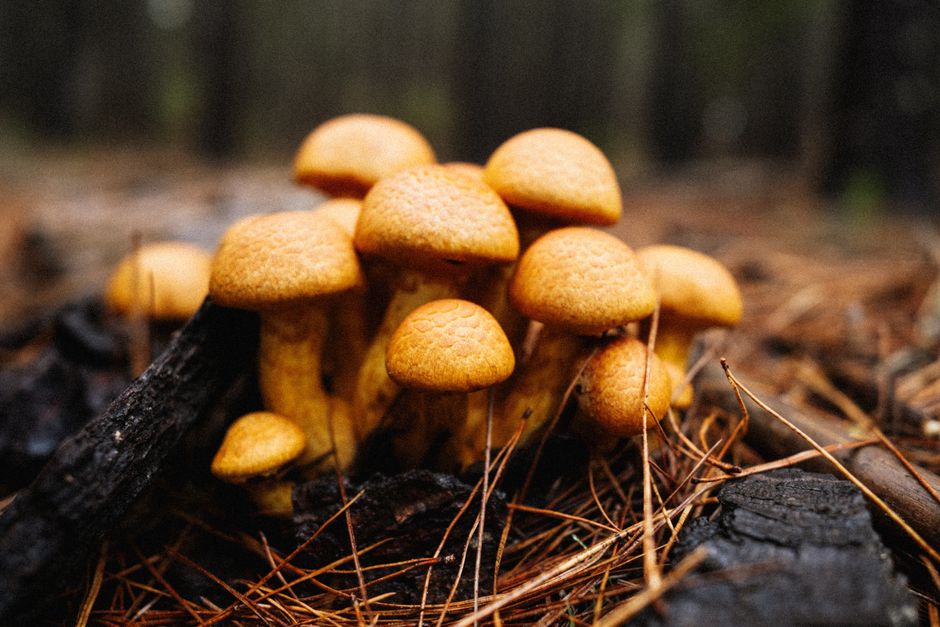
Mushrooms don’t announce when they’ve turned. There’s no date stamp, no beep, no obvious signal until you look closely. The short answer: fresh mushrooms are firm, dry to the touch, and smell earthy. They’re past their prime when they feel slimy, sticky, or spongy, when dark spots or mold appear, or when the smell turns sour or fishy. Dried mushrooms are a different story — they last far longer, but they’re not immortal. Softness, crumbling, or an off smell means it’s time to let them go.
Most people asking this question are holding a package of culinary mushrooms — white buttons, cremini, shiitake, oyster, portobello. That’s what this article covers. If you’re asking about psilocybin mushrooms, the spoilage signs are the same, but there are legal and safety issues that change the picture entirely, and those are addressed separately below.
How To Tell If Shrooms Are Good Or Gone Bad
Fresh mushrooms spoil the way most fresh produce does, just faster. They’re about 90% water, and that water is what bacteria and mold feed on. The signs of spoilage show up in a predictable order: texture first, then smell, then visible growth.
Here’s what to check, in order:
- Touch. A good fresh mushroom feels firm and dry. It should spring back lightly when pressed. If it feels slick, sticky, or leaves moisture on your fingers, it’s breaking down.
- Smell. Fresh mushrooms smell like earth or the forest floor. A sour, ammonia-like, or fishy smell means bacteria have moved in. This is one of the most reliable signs.
- Look. Dark brown or black patches, fuzzy white or green growth, or a wet sheen on the surface all point to spoilage. Small dry brown spots on the cap are usually just age, not decay.
- Gills and stems. On mushrooms with visible gills, dark, mushy, or clumped gills are a warning sign. Stems that have gone limp and rubbery are past their best.
One thing worth knowing: mushrooms darken as they age, and a little browning on its own isn’t spoilage. The combination of texture change plus smell is what matters. A brown mushroom that’s still firm and smells earthy is fine. A white mushroom that’s slimy and smells sour is not.
Do Slimy Mushrooms Always Mean They’re Bad?
Yes. A slimy surface on a fresh mushroom is a spoilage signal, not a cosmetic issue. That slick film is a layer of bacteria and their byproducts, and it forms when the mushroom’s cells have started to break down and release their water.
You can’t wash it off and make the mushroom safe again. The slime is a sign that the tissue itself has begun decomposing, and the bacteria responsible have already spread through it. Cutting away the slimy part doesn’t fix the rest.
Some people rinse mushrooms before cooking, which is fine for firm, fresh ones. But rinsing a slimy mushroom won’t restore it. If the slime is there, the mushroom is done.
How Long Do Fresh Mushrooms Last in the Fridge?
Most fresh culinary mushrooms keep for about 4 to 7 days in the refrigerator when stored properly. That range comes from food safety and storage guidance rather than a single study, and it varies by type. Oyster and shiitake mushrooms tend to be more delicate than dense white buttons or portobellos.
Storage matters more than most people expect. Mushrooms do best in a paper bag or a container lined with a paper towel, which lets them breathe while soaking up excess moisture. Sealed plastic traps the moisture they release, and that trapped moisture is what speeds up slime and mold.
Don’t wash them before storing. Wash them right before you cook. Water on the surface during storage gives bacteria a head start.
Frozen mushrooms behave differently. If you bought them frozen, they’ll keep for months in the freezer, but the freezing process breaks down their cell walls. Thawed frozen mushrooms will be soft and release a lot of liquid — that’s normal and not a sign of spoilage. Cook them rather than eating them raw.
What About Dried Mushrooms — Do They Go Bad?
Dried mushrooms last far longer than fresh ones, but “dried” doesn’t mean “permanent.” Properly dried and stored mushrooms can keep for many months, and some sources suggest a year or more if they stay completely dry and sealed.
The enemy of dried mushrooms is moisture. If they absorb water from the air, they can grow mold even though they started out dry. Check for:
- Softness or flexibility where they used to snap or crumble
- A musty or sour smell instead of a deep earthy one
- Any visible fuzz or powder, especially white, green, or black
- Clumping, which often means moisture has gotten in
Properly dried mushrooms should feel brittle. If they bend instead of breaking, they’ve picked up moisture and should be used soon or discarded. Store them in an airtight container in a cool, dark, dry place.
Can You Eat Mushrooms That Smell Off But Look Fine?
No. Smell is one of the earliest and most reliable spoilage signals, and it often shows up before anything visible changes. If a mushroom smells sour, fishy, or like ammonia, the bacteria are already active even if the surface still looks normal.
Trust your nose here. The human sense of smell is genuinely good at detecting the compounds bacteria produce as they break food down. If something smells wrong, it usually is.
This matters because eating spoiled mushrooms can cause foodborne illness. The symptoms — nausea, vomiting, stomach cramps, diarrhea — typically show up within hours to a day or so after eating contaminated food, though timing varies. Most healthy adults recover on their own, but foodborne illness can be serious for young children, older adults, pregnant people, and anyone with a weakened immune system.
What If You Mean Psilocybin Mushrooms?
The spoilage signs are the same — slime, smell, mold, softness — but the situation is different in two important ways.
First, psilocybin mushrooms are illegal in most of the United States. A small number of states and cities have decriminalized or legalized certain uses, but the rules vary widely and change over time. This article can’t tell you what’s legal where you live, and nothing here should be read as guidance on obtaining or using them.
Second, and more importantly from a safety standpoint: identifying mushrooms is genuinely hard, and mistakes can be fatal. Several toxic mushrooms look similar to psilocybin species, and some of the most dangerous ones — including certain Amanita species — can cause liver failure. No article, app, or online guide can reliably teach you to identify wild mushrooms safely. That’s a job for a trained mycologist, and even experts proceed with caution.
If you’re asking about dried psilocybin mushrooms specifically, the storage and spoilage signs are the same as for any dried mushroom. But no amount of freshness testing tells you whether a mushroom is the species you think it is.
When in Doubt, Throw It Out
This is the standard food safety advice, and it holds up. The cost of tossing a few mushrooms is small. The cost of foodborne illness — or in the case of wild mushrooms, poisoning — is not.
You don’t need to be able to name the exact bacteria or mold to make the call. If the texture, smell, or appearance is off, that’s enough. Fresh mushrooms are inexpensive and easy to replace. Your health isn’t.
Frequently Asked Questions
How can you tell if mushrooms have gone bad?
Look for a slimy or sticky texture, a sour or fishy smell, and visible mold or dark mushy spots. Firm, dry mushrooms that smell earthy are still good.
Are slimy mushrooms safe to eat if you cook them?
No. Cooking kills some bacteria but does not remove the toxins they have already produced, and slime means the tissue is decomposing. Discard slimy mushrooms.
How long do mushrooms last in the fridge?
Most fresh culinary mushrooms keep about 4 to 7 days when stored in a paper bag or a paper-towel-lined container. Delicate types like oyster mushrooms may go sooner.
Can dried mushrooms go bad?
Yes, if they absorb moisture. They should feel brittle and snap when broken; softness, clumping, or a musty smell means they should be thrown out.
