
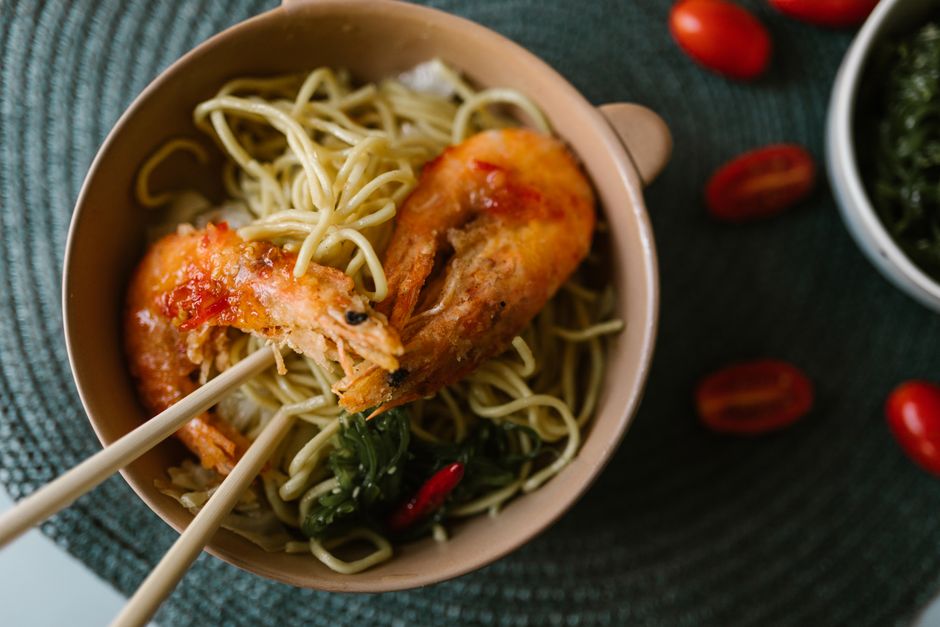
Raw shrimp should smell like the sea and feel firm and slick, not slimy or sour. Cooked shrimp should be opaque and firm, not mushy or gray. If shrimp smells strongly of ammonia, feels sticky, or has a dull, yellowish or grayish tint, throw it out.
Shrimp is one of the most perishable foods in the seafood case. It spoils faster than most fish because its flesh breaks down quickly once the animal dies. Knowing what fresh shrimp looks and smells like — and what warning signs mean it is no longer safe — takes about thirty seconds and can save you a miserable night.
What Does Bad Shrimp Smell Like?
Smell is the single most reliable signal. Fresh raw shrimp has a mild, briny scent that most people describe as clean and ocean-like. It should not smell like much of anything strong.
As shrimp spoils, bacteria break down proteins and produce compounds called amines. One of these is ammonia. That is why spoiled shrimp often smells sharply of ammonia, bleach, or urine. You may also catch a sour, yeasty, or rotting odor. Any of those smells means bacteria have multiplied well past the point of safety.
Cooked shrimp that has gone bad tends to smell sour or rancid rather than briny. If reheated shrimp smells off in any way, do not eat it. There is no way to cook, rinse, or sauce away spoilage compounds. Heat kills bacteria, but it does not remove the toxins and waste products they have already produced.
How To Tell If Shrimp Is Bad by Look and Touch
Your eyes and fingers catch most problems before your nose does. Fresh raw shrimp are translucent and grayish-blue or pinkish, depending on the species. They look moist and glossy. The flesh is firm and springs back when you press it.
Here is what spoilage looks like:
- Color shifts. Gray, yellow, or dull brown patches on raw shrimp signal breakdown. Black spots along the shell edges are a separate issue called melanosis — it is a natural enzyme reaction, not bacteria, and it is not harmful by itself. But heavy blackening usually means the shrimp is old.
- Texture changes. Slimy, sticky, or tacky surfaces mean bacterial growth. Fresh shrimp feel slick from moisture, not coated in film.
- Mushiness. Press a raw shrimp with your finger. If it leaves a dent or falls apart, it is past its prime. Firm shrimp hold their shape.
- Cloudy or milky flesh. Raw shrimp flesh should be somewhat translucent. When it turns opaque and chalky before cooking, it is breaking down.
Cooked shrimp give you one more clue. Properly cooked shrimp curl into a loose C shape and turn opaque white with pink or red accents. If cooked shrimp look mushy, frayed, or gray, they were likely past their peak before they hit the pan.
Is It Safe to Eat Shrimp That Smells a Little Off?
No. If you notice any off smell, the shrimp is not safe to eat. This is not a case where you can trim away the bad part or cook it longer.
The bacteria that spoil seafood are not the same as the bacteria that cause foodborne illness, but they travel together. Spoilage organisms multiply under the same conditions that allow pathogens like Vibrio and Listeria to grow. By the time spoilage is obvious to your senses, harmful bacteria may also be present in high numbers.
Some people think a strong marinade, citrus juice, or heavy spice will make questionable shrimp safe. It will not. Acid and heat do not neutralize the toxins that bacteria leave behind. The result is often nausea, vomiting, stomach cramps, and diarrhea within hours.
Shrimp is also a common allergen. Shellfish allergy is one of the most serious food allergies and can cause reactions ranging from hives to anaphylaxis. If you have a known shellfish allergy, no amount of freshness makes shrimp safe for you.





How Long Does Shrimp Last in the Fridge and Freezer?
Shrimp has a short window. The USDA FoodSafety.gov guidelines for refrigerated storage are clear: raw shrimp keeps for 1 to 2 days in the refrigerator. Cooked shrimp also keeps for 3 to 4 days.
Those numbers assume your fridge is at or below 40°F (4°C). Many home refrigerators run warmer than that, especially in the door or on the top shelf. Store shrimp on the bottom shelf in the coldest part of the fridge, in a sealed container or its original vacuum pack.
Frozen shrimp lasts much longer. The FDA and USDA both state that frozen shrimp is safe indefinitely if kept at 0°F (-18°C) or below. Quality, however, does not last forever. Freezer burn, ice crystals, and a gradual loss of texture set in over months. For best quality, use frozen shrimp within a few months.
Here is a quick reference:
| Storage | Time limit | Key sign it has turned |
|---|---|---|
| Raw shrimp, refrigerator | 1 to 2 days | Ammonia smell, slime, gray color |
| Cooked shrimp, refrigerator | 3 to 4 days | Sour smell, mushy texture |
| Frozen shrimp, 0°F or below | Safe indefinitely; best quality within a few months | Heavy ice crystals, dry patches, freezer burn |
Thawed shrimp should never be refrozen raw. Once thawed, treat it like fresh shrimp and cook it within 1 to 2 days.
Does Thawing and Reheating Change the Rules?
Yes, and this is where a lot of people slip up. Freezing pauses bacterial growth but does not kill bacteria. When shrimp thaws, those bacteria wake up and start multiplying again. The clock restarts from zero.
Thaw shrimp in the refrigerator, not on the counter. A package of frozen shrimp left on the counter can spend hours in the temperature range where bacteria grow fastest — roughly 40°F to 140°F. The USDA calls this the “danger zone” and recommends limiting time in it to under 2 hours total.
For cooked leftovers, reheat to 165°F (74°C) and eat within 3 to 4 days of cooking. Reheating makes safe food safer, but it does not rescue shrimp that was already spoiled before it was cooked.
One detail worth knowing: shrimp that has been frozen and thawed often looks slightly more opaque and releases more water than never-frozen shrimp. That is normal and not a sign of spoilage on its own.
What About Shrimp at the Store or Restaurant?
Buying shrimp is a judgment call made in seconds. At the fish counter, ask to smell it. A good fishmonger will not mind. Fresh shrimp should smell faintly of the sea and nothing more.
Look for shrimp that are firm, glossy, and free of dark spots along the shell. Avoid shrimp sitting in a pool of cloudy liquid — that usually means it has been sitting a while and is leaching water and proteins.
Frozen shrimp should be frozen solid with no signs of partial thawing. If the bag has a lot of loose ice or frost inside, the shrimp has likely thawed and refrozen at some point. That is a quality problem more than a safety one, but it is worth avoiding.
At a restaurant, cooked shrimp should arrive firm and opaque. If it tastes or smells sour, or feels mushy, send it back. Do not finish it to be polite.
Shrimp is a healthy food when it is fresh. It is low in calories and a good source of protein and selenium. But freshness is not optional. With shrimp, the gap between “delicious” and “make you sick” is short, and your nose is the best tool you have.
Frequently Asked Questions
How can you tell if shrimp has gone bad?
Bad shrimp smells strongly of ammonia, bleach, or sour rot, feels slimy or mushy, and may look gray, yellow, or dull. Fresh shrimp smells mild and briny and feels firm.
Can you eat shrimp that smells a little bit?
No. Any off smell means the shrimp is not safe to eat, and cooking or marinating it will not make it safe.
How long is shrimp good in the fridge?
Raw shrimp keeps for 1 to 2 days in the refrigerator, and cooked shrimp keeps for 3 to 4 days, according to USDA guidelines.
Is slimy shrimp always bad?
Yes. A sticky or slimy coating on shrimp means bacteria have multiplied on the surface, and the shrimp should be thrown away.
