
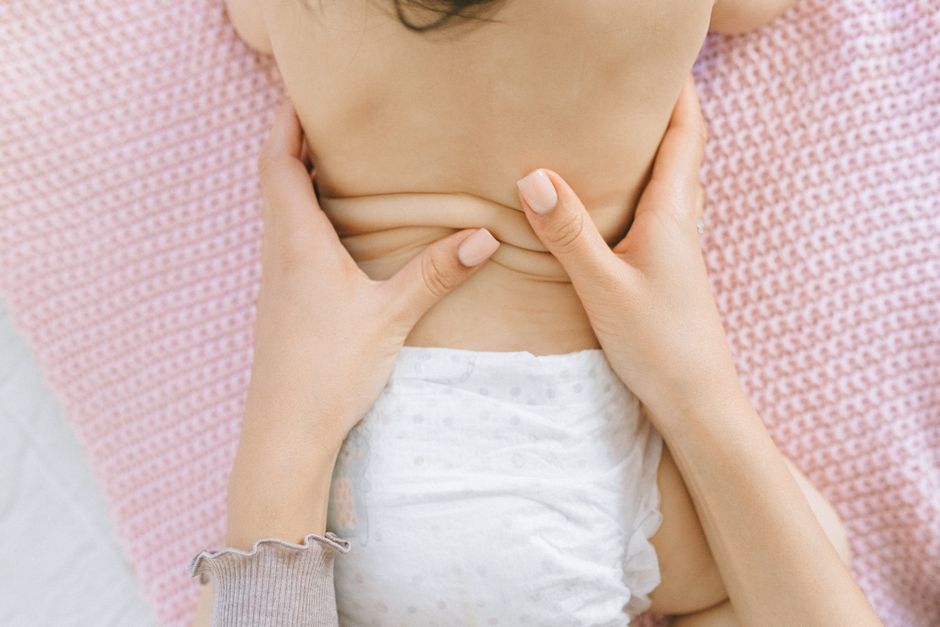
A newborn cannot tell you when they are too warm, and they cannot remove a blanket or move away from the heat. This leaves the job entirely to you. The most reliable way to tell if your newborn is too hot is to feel the skin on the back of their neck or their chest. If that skin feels sweaty, damp, or hot to the touch, your baby is too warm. A cool or mildly warm neck and chest means their temperature is likely fine. Do not rely on the temperature of their hands or feet, which are often cooler than the rest of the body in newborns.
Why Newborns Overheat Faster Than Adults
Newborns do not regulate their body temperature the way older children and adults do. Their thermoregulation system is still developing. They produce heat easily but have a hard time getting rid of it.
Several factors explain this. A newborn’s sweat glands are not fully functional, so sweating is not a reliable cooling mechanism for them. They also have a larger surface area relative to their body weight, which means they absorb heat from the environment quickly. Add to this the fact that they cannot shiver effectively to generate heat or consciously remove layers, and you have a baby who depends entirely on you to keep their environment comfortable.
Overheating is not just about comfort. It is a known risk factor for sudden infant death syndrome (SIDS). Research consistently shows that overheating increases the risk of SIDS, which is why safe sleep guidelines emphasize keeping the room at a comfortable temperature and avoiding heavy bedding.
What Is the Ideal Room Temperature for a Newborn?
Pediatric guidance generally recommends keeping the room where your baby sleeps at a temperature between 68 and 72 degrees Fahrenheit (20 to 22 degrees Celsius). This range is comfortable for a lightly dressed baby and reduces the risk of overheating.
You do not need to heat the room to a warmer temperature just because a baby is in it. If the room feels comfortable for you in light clothing, it is likely comfortable for your baby. A common mistake is overdressing a baby because the parent feels cold. Base the layers on the room temperature, not on your own cold hands or feet.
Use a room thermometer to verify the temperature rather than guessing. Many homes have rooms that feel neutral but are actually warmer than 72 degrees, especially in summer or in rooms with poor air circulation.
Symptoms That Your Newborn Is Too Hot
Knowing the signs of overheating allows you to act before your baby becomes distressed. The symptoms are usually visible and touchable.
- Sweaty or damp hair and neck: This is the earliest and most reliable sign. Run your hand along the back of the neck and the hairline.
- Flushed or red skin: A newborn who is too warm often develops a red or rosy appearance, especially on the cheeks and chest.
- Fast breathing: A hot baby may breathe more rapidly than normal as their body tries to release heat. Normal newborn breathing is 40 to 60 breaths per minute at rest. If you notice consistently faster breathing along with other signs of heat, act.
- Heat rash: Small red bumps or a pink rash, often on the neck, chest, or diaper area, can appear when a baby is overdressed or the room is too warm.
- Irritability or fussiness: A baby who is uncomfortable from heat may cry more than usual or seem restless.
- Lethargy: In more significant overheating, a baby may seem unusually sleepy, limp, or difficult to wake. This is a concerning sign that requires immediate attention.
Check for these signs regularly, especially after feeding, after being held skin-to-skin, or when transitioning from outdoors to indoors.



How To Check Your Newborn’s Temperature Properly
Feeling your baby’s hands and feet is not a reliable check. Newborns have immature circulation, so their extremities are often cool even when their core is warm. The best touch-test locations are the back of the neck, the chest, and the abdomen.
Place the back of your hand flat against these areas. If the skin feels hot and dry or damp with sweat, your baby is too warm. If it feels neutral or slightly warm, they are likely fine. A cool neck and chest with pink skin generally means they are comfortable or possibly cold.
If you suspect your baby is significantly overheated, you can take a rectal temperature. A normal rectal temperature for a newborn is about 97.9 to 100.4 degrees Fahrenheit (36.6 to 38 degrees Celsius). A temperature above 100.4 degrees Fahrenheit requires medical evaluation. Do not use ear or forehead thermometers on a newborn, as they are not accurate at this age.
What To Do If Your Newborn Feels Too Hot
If your baby feels hot or sweaty, act immediately. Remove one layer of clothing or a blanket. Do not pile on more. Move the baby to a cooler part of the room or turn down the thermostat.
Offer a feeding. Hydration helps a baby regulate body temperature. If your baby is bottle-fed, you can offer a small amount of formula or expressed milk. Breastfed babies can nurse as often as they want.
You can sponge the baby with lukewarm water, not cold water. Cold water can cause shivering, which generates more heat. A lukewarm bath or a damp washcloth on the forehead and neck can help bring the temperature down gradually.
Do not use fans directly on a newborn. Fans can help circulate air in the room, but direct airflow can cause a baby to lose heat too quickly and can dry out their skin and airways. Similarly, never place a cold pack or ice directly on a baby’s skin.
Recheck the neck and chest after about 10 to 15 minutes. If the baby remains hot, seems lethargic, has a temperature above 100.4 degrees Fahrenheit, or is breathing rapidly, contact your pediatrician or seek emergency care. Overheating that does not resolve with simple measures is a medical concern.
How To Dress a Newborn for Sleep and Play
A good rule of thumb is to dress your baby in one more layer than you are wearing. If you are comfortable in a short-sleeve shirt, your baby may need a light long-sleeve onesie. If you are wearing a sweater, your baby may need a swaddle or a light blanket.
For sleep, use a sleep sack or a wearable blanket instead of loose blankets. Loose blankets pose a suffocation risk and can easily be kicked off or pulled over the face. A sleep sack keeps the baby warm without covering the head or face.
Do not put a hat on your baby indoors. Babies lose a significant amount of heat through their heads, but they also overheat quickly when the head is covered in a warm room. Hats are appropriate outdoors in cold weather, but they should come off indoors.
Check your baby after they fall asleep. A baby who is too warm may wake frequently, or they may sleep more deeply than usual. The latter is more concerning. A deep sleep from overheating is not restful sleep; it is a sign of heat stress.
When To Seek Medical Care
Most cases of a warm baby are resolved by removing a layer and cooling the room. Some situations require prompt medical attention.
Seek emergency care if your baby has a rectal temperature of 100.4 degrees Fahrenheit or higher, is unusually lethargic or difficult to wake, is breathing rapidly, has a sunken soft spot on the top of the head, or has dry mouth and no wet diapers for six hours. These can be signs of significant overheating, dehydration, or an underlying infection.
Do not wait to see if symptoms improve on their own when these signs are present. Call your pediatrician or go to the nearest emergency room. Overheating can progress quickly in a newborn, and their bodies cannot compensate for heat stress the way an older child’s can.
Frequently Asked Questions
How can I tell if my newborn is too hot at night?
Feel the back of the neck and chest when you check on them. Dampness, sweating, or hot skin means they are too warm, even if their hands and feet feel cool.
Is it normal for a newborn’s hands and feet to be cold?
Yes, this is normal due to immature circulation. Hands and feet are not reliable indicators of body temperature; always check the neck or chest instead.
What temperature is too hot for a newborn’s room?
Room temperatures above 72 degrees Fahrenheit (22 degrees Celsius) increase the risk of overheating. Keep the nursery between 68 and 72 degrees Fahrenheit.
Can a newborn get a fever from being overdressed?
Yes, overdressing can raise a baby’s body temperature. If the temperature returns to normal after removing layers and cooling the room, it was likely environmental rather than an infection.
