
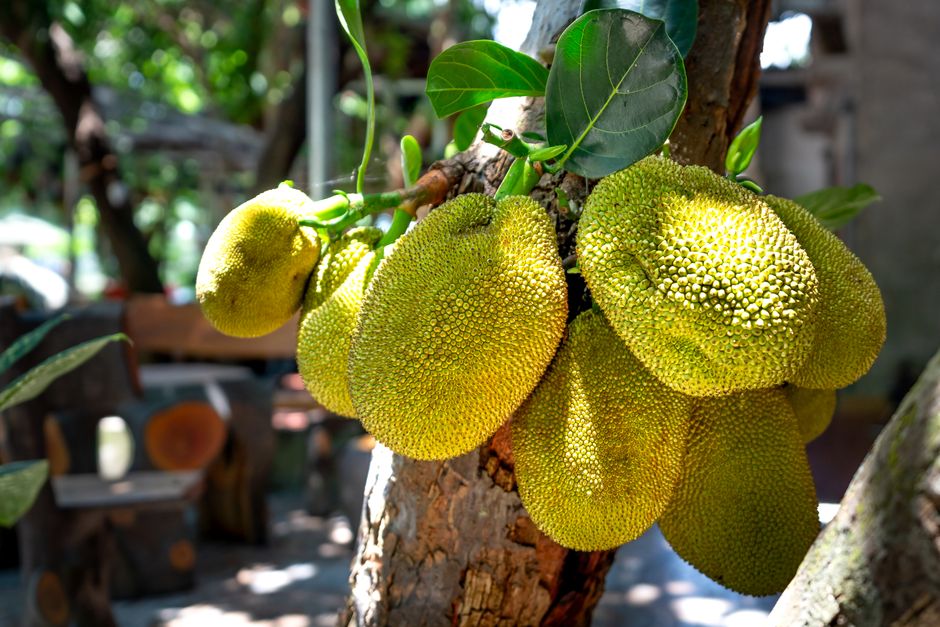
Jackfruit is a tropical fruit with a sweet, fruity flavor when ripe and a meaty texture when young. But like all fresh produce, it eventually spoils. The most reliable way to tell if jackfruit is bad is to use your senses: a sour or fermented smell, a slimy or mushy texture, and dark brown or black spots on the flesh are clear signs of spoilage. Fresh jackfruit smells sweet and slightly tropical, feels firm but gives slightly to pressure, and has pale yellow or orange flesh. If any of those qualities change in the wrong direction, the jackfruit has likely turned and should be thrown out.
How To Tell If Jackfruit Is Bad Smell Color Texture?
Jackfruit spoils in predictable ways. The smell, color, and texture each give you specific information about the fruit’s condition. Checking all three is the fastest way to make a confident call.
Smell: Fresh ripe jackfruit has a sweet, almost candy-like aroma with tropical notes. Some people describe it as a mix of pineapple and banana. When jackfruit starts to go bad, that sweetness turns sour. A fermented, yeasty, or alcohol-like smell means fermentation is underway. If it smells like vinegar or garbage, the fruit is past eating.
Color: Ripe jackfruit flesh ranges from pale yellow to deep orange or gold. The bulbs should look vibrant and glossy. Bad jackfruit develops brown patches, dark streaks, or a dull grayish tint. Small brown spots can sometimes be trimmed away if the rest of the bulb is firm and smells fine. Widespread discoloration means the fruit is spoiled throughout.
Texture: Fresh jackfruit bulbs are firm, slightly springy, and pull apart easily from the core. They are not hard like an apple or soft like a peach. Spoiled jackfruit becomes mushy, slimy, or watery. If the flesh collapses when you press it or leaves moisture on your fingers, bacteria or yeast have broken down the cell structure. That texture change is a definitive sign of spoilage.
Use all three cues together. A slightly soft spot on an otherwise firm, sweet-smelling bulb is not necessarily bad. But a sour smell combined with any texture change means the fruit is no longer safe to eat.
How Long Does Jackfruit Last?
The shelf life of jackfruit depends entirely on how it is stored and whether it is fresh or cut.
Whole, uncut jackfruit lasts the longest. At room temperature, a whole fruit can stay good for several days to a week, depending on how ripe it was when purchased. In the refrigerator, a whole jackfruit can last up to two weeks or longer. The thick, spiky rind protects the flesh inside from bacteria and moisture loss.
Once cut, the clock moves much faster. Cut jackfruit bulbs stored in an airtight container in the refrigerator last about 3 to 5 days. The exposed flesh is moist and sugary, which makes it an ideal environment for microbes. If you buy pre-cut jackfruit in a sealed package, check the use-by date and treat that date as the outer limit.
Frozen jackfruit lasts much longer. Properly sealed in a freezer bag or container, frozen jackfruit stays safe for 6 to 12 months. Freezing stops microbial growth, but it does change the texture. Thawed jackfruit becomes softer and wetter, so it works better in smoothies or cooked dishes than eaten fresh.
Young green jackfruit, which is used as a savory ingredient, follows similar storage rules. It lasts about a week in the refrigerator once opened and up to 12 months in the freezer.
Can You Eat Jackfruit That Smells Slightly Sour?
No. A sour smell in jackfruit is never a good sign. Fresh ripe jackfruit should smell sweet, not sour. That sour or fermented odor means yeast or bacteria are actively breaking down sugars in the fruit. Eating it can cause foodborne illness.
Some people mistake the natural strong aroma of ripe jackfruit for spoilage. Ripe jackfruit does have a powerful smell, especially when the fruit is fully mature. But that smell is fruity and sweet, not acidic or rotten. If you are unsure, the texture and color will help you decide. A sour smell combined with any sliminess or browning confirms spoilage.
Do not try to salvage jackfruit that smells sour. Cooking it will not make it safe. The toxins produced by some spoilage bacteria survive heat, and the fermented flavor will ruin any dish anyway.





What Does Bad Canned Jackfruit Look Like?
Canned jackfruit has different spoilage signs than fresh fruit because it is packed in liquid and sealed. The can itself is your first clue. If the can is bulging, leaking, or rusted, throw it out without opening it. That can indicate bacterial growth producing gas inside the sealed container.
Once opened, check the liquid and the fruit. The packing liquid should be clear or slightly cloudy but not thick or slimy. The jackfruit pieces should be firm and hold their shape. If they are mushy, discolored, or have an off smell, they are spoiled. Canned jackfruit that smells sour, yeasty, or like sulfur is bad.
Opened canned jackfruit lasts 3 to 4 days in the refrigerator if stored in a covered container with its liquid. Do not leave it in the opened can. The metal can react with the acidic fruit and give it a metallic taste.
Is It Safe To Eat Jackfruit With Brown Spots?
It depends on the extent of the browning. Small, isolated brown spots on an otherwise firm and sweet-smelling jackfruit bulb can be cut away. The rest of the fruit is likely fine. This is similar to how you might trim a bruised area off an apple.
Widespread browning or dark streaks running through the flesh are different. That level of discoloration means the fruit is breaking down internally. The browning is caused by oxidation and enzymatic activity that happens as cells die. Once that process spreads, the fruit will not taste good even if it is not yet dangerous to eat.
If the brown spots are accompanied by a sour smell or any sliminess, do not eat the fruit. The combination of discoloration and texture change means spoilage is well underway. When in doubt, throw it out. Jackfruit is not expensive enough to risk a stomach illness over.
How To Store Jackfruit To Keep It Fresh Longer
Proper storage slows down the spoilage process. The goal is to keep moisture in and bacteria out.
For cut jackfruit, place the bulbs in an airtight container. Press out as much air as possible before sealing. Store it in the coldest part of the refrigerator, which is usually the back of the bottom shelf, not the door. The door experiences temperature swings every time you open it, which speeds up spoilage.
Do not wash jackfruit before storing it. Excess moisture encourages mold and bacterial growth. If the fruit is sticky from its natural latex, wipe it with a dry paper towel instead of rinsing it.
For longer storage, freeze the bulbs on a baking sheet first. Spread them in a single layer and freeze until solid, then transfer to a freezer bag. This prevents the pieces from clumping together, so you can pull out only what you need.
Whole jackfruit should stay at room temperature until you are ready to cut it. Refrigerating a whole fruit slows ripening, but it also makes the fruit harder to cut because the flesh firms up. If you need to delay ripening for a few days, refrigeration works. Just let the fruit sit at room temperature for a few hours before cutting.
Can You Eat Overripe Jackfruit?
Overripe jackfruit is not the same as spoiled jackfruit, but the line between them is thin. Overripe fruit is very soft, intensely sweet, and may have a stronger aroma than usual. The flesh can be almost custard-like in texture. This fruit is safe to eat and many people enjoy it at this stage.
Spoiled jackfruit is a different thing entirely. It has an off smell, a slimy or fermented texture, and often visible mold or dark discoloration. The difference comes down to whether the breakdown is caused by natural ripening enzymes or by microbial growth.
If the fruit is soft but still smells sweet and fruity, it is overripe, not spoiled. If there is any sourness, sliminess, or visible mold, it is spoiled. Trust your nose on this one. The smell is the most reliable way to tell the difference.
Frequently Asked Questions
How can you tell if jackfruit is ripe or spoiled?
Ripe jackfruit smells sweet and fruity, has firm yellow or orange flesh, and gives slightly to pressure. Spoiled jackfruit smells sour or fermented, feels slimy or mushy, and has brown or black discoloration.
Can you eat jackfruit that has brown spots?
Small brown spots can be trimmed away if the rest of the fruit is firm and smells fresh. Widespread browning combined with a sour smell or soft texture means the fruit is spoiled.
How long does fresh jackfruit last in the refrigerator?
Cut jackfruit lasts about 3 to 5 days in an airtight container in the refrigerator. Whole uncut jackfruit can last up to two weeks when refrigerated.
Is it safe to eat jackfruit that smells fermented?
No. A fermented or sour smell means spoilage bacteria or yeast are growing in the fruit. Eating it can cause foodborne illness, and cooking will not make it safe.
