
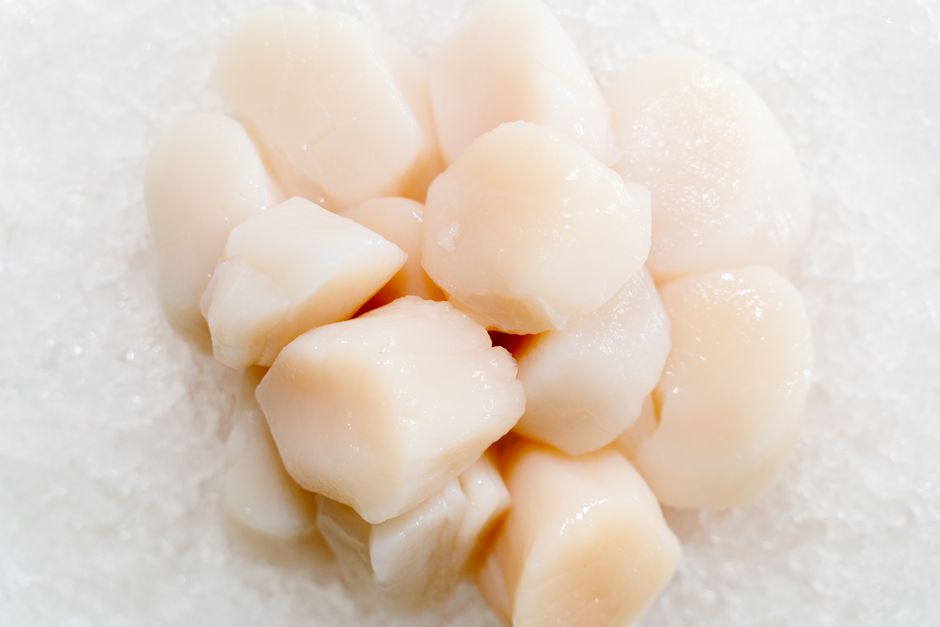
Frozen scallops can go bad in ways you can see, smell, and feel — or in ways you cannot detect at all. The reliable signs are a strong ammonia or fishy odor, a dull or yellowish color, a slimy or sticky surface, and freezer burn that has dried the meat into a chalky, leathery texture. Any scallop that smells sharply of ammonia should be thrown out, not cooked, because that odor signals protein breakdown that heat will not fix.
The harder problem is that a frozen scallop can look fine and still be unsafe. Freezer storage does not kill bacteria — it pauses them. Once thawed, those bacteria wake up and multiply, and a scallop left too long at room temperature can become a genuine food safety risk before it ever smells wrong. Knowing what to check, and in what order, matters more than any single sign.
How To Tell If Frozen Scallops Are Bad Key Signs
Smell is the most reliable single test. Fresh scallops have a mild, sweet, almost sea-like scent. A scallop going bad develops an ammonia smell, which comes from nitrogen compounds building up as the protein breaks down. That sharp, cleaning-product odor is the clearest signal to discard the whole bag.
Color is the second check. Good frozen scallops are creamy white to slightly ivory. Some may show a faint pink or tan tint, which is normal for certain species and not a sign of spoilage on its own. What you are looking for is a shift toward yellow, gray, or dull brown, or dark patches that were not there before.
Texture tells you a lot too. A properly frozen scallop feels firm and holds its shape. A bad one feels soft, mushy, or leaves a sticky film on your fingers. If the surface looks slick or stringy after thawing, treat it as spoiled.
Here is the sign people most often misread: freezer burn. White, dry, chalky patches are not spoilage. They are moisture that escaped from the surface during storage. Freezer-burned scallops are safe to eat but will be tough and dry. Trim the damaged areas or use them in a dish where texture matters less, like a chowder. Freezer burn is a quality problem, not a safety problem — a distinction worth keeping straight.
What Does an Ammonia Smell on Scallops Actually Mean?
Ammonia odor is the result of protein breakdown, and it is the one sign that should end the debate. As scallop tissue ages and its proteins degrade, compounds containing nitrogen are released. Those compounds produce the sharp, pungent smell people describe as ammonia or old fish.
This matters because cooking does not reverse it. Heat may reduce the intensity slightly, but the underlying breakdown has already happened. A scallop that smells of ammonia will taste off no matter how you prepare it, and eating a batch of them risks illness. The smell is your body’s warning system working correctly — listen to it.
A mild sea smell is normal. A smell that makes you pull your head back is not. When in doubt, throw it out. That guidance comes from food safety authorities and it holds here.
Can You Tell If Frozen Scallops Are Bad Without Thawing Them?
You can catch a lot before thawing. Start with the package. Ice crystals inside the bag, frost coating the scallops, or a solid block of ice where loose scallops should be all point to temperature swings during storage. Repeated partial thawing and refreezing damages texture and gives bacteria more chances to multiply.
Check for liquid in the bag. A small amount of frost is fine. A pool of liquid or a bag that looks wet and heavy suggests the scallops have thawed and refrozen at some point. That is a quality red flag and a possible safety concern.
Look at the date. Frozen scallops keep their best quality for roughly three to six months in a standard home freezer at 0°F (-18°C). Beyond that, quality drops even if safety holds. Storage time alone does not make a scallop unsafe, but it raises the odds of freezer burn and texture loss.
One thing you cannot do without thawing is smell them, and smell is the best test. So the package checks tell you whether to bother thawing at all. If the bag is a solid block of ice and the scallops are gray, skip the thaw and discard them.
How Should You Thaw Frozen Scallops Safely?
Thawing method affects both safety and texture more than most people realize. The safest approach is to move the scallops to the refrigerator and let them thaw slowly overnight. Keep them in a sealed container or on a plate so drips do not contaminate other food.
If you need them faster, place the sealed bag in cold water and change the water every 30 minutes. Never thaw seafood on the counter at room temperature. The outer layers reach the temperature range where bacteria multiply fastest long before the center thaws.
Once thawed, cook scallops promptly. The general food safety guidance is to use thawed seafood within one to two days if kept refrigerated. Do not refreeze raw scallops that have already thawed — the texture suffers badly, and refreezing increases the risk of temperature abuse along the way.
Pat them dry before cooking. Excess moisture is the main reason scallops steam instead of sear, and a wet surface also makes it harder to judge whether the texture is off.
What Happens If You Eat Bad Scallops?
Eating spoiled scallops can cause foodborne illness. The symptoms are the familiar ones: nausea, vomiting, stomach cramps, and diarrhea, often within hours to a day of eating. Most healthy adults recover on their own with rest and fluids.
Some people face higher risk. Pregnant women, young children, older adults, and anyone with a weakened immune system should be more cautious with seafood generally and should not eat anything they suspect is spoiled. For these groups, dehydration from vomiting or diarrhea can become serious faster.
Seek medical care if symptoms are severe, if you cannot keep fluids down, if you have a high fever, or if symptoms last more than a couple of days. If you are unsure whether a scallop was safe, the safe choice is not to eat it. There is no reliable way to “rescue” a spoiled scallop by cooking it longer.
How Do You Store Frozen Scallops So They Stay Good Longer?
Storage decides how long your scallops stay good. Keep your freezer at 0°F (-18°C) or colder. Use an appliance thermometer rather than trusting the dial, since freezer temperatures drift more than people expect.
Wrap scallops tightly. Air is the enemy — it causes freezer burn and dries out the surface. Vacuum sealing is best. A heavy-duty freezer bag with as much air pressed out as possible works well too. Label the bag with the date so you are not guessing months later.
- Keep scallops in the coldest part of the freezer, not the door, where temperature swings most.
- Store them away from strong-smelling foods, since seafood absorbs odors.
- Buy frozen scallops last at the store, and get them into the freezer promptly.
- Divide large bags into smaller portions so you thaw only what you will cook.
A quick note on “wet” versus “dry” scallops, since it comes up often. Some scallops are treated with a phosphate solution that makes them absorb water. They look plump and white but release liquid when cooked and sear poorly. This is a quality issue, not a spoilage one, but it explains why some frozen scallops turn out watery no matter how you cook them. Check the ingredient list — untreated scallops should list only scallops.
Frequently Asked Questions
Can you eat frozen scallops that smell like ammonia?
No. An ammonia smell means the protein has broken down, and cooking will not make it safe or palatable. Discard the batch.
Are freezer-burned scallops safe to eat?
Yes, freezer burn affects quality, not safety. The scallops will be dry and tough, so trim the damaged areas or use them in soups and chowders.
How long can frozen scallops stay in the freezer?
For best quality, about three to six months at 0°F (-18°C). They may stay safe longer, but texture and flavor decline over time.
What color should frozen scallops be?
Creamy white to slightly ivory. A faint pink or tan tint can be normal, but yellow, gray, or dark patches suggest spoilage.
