
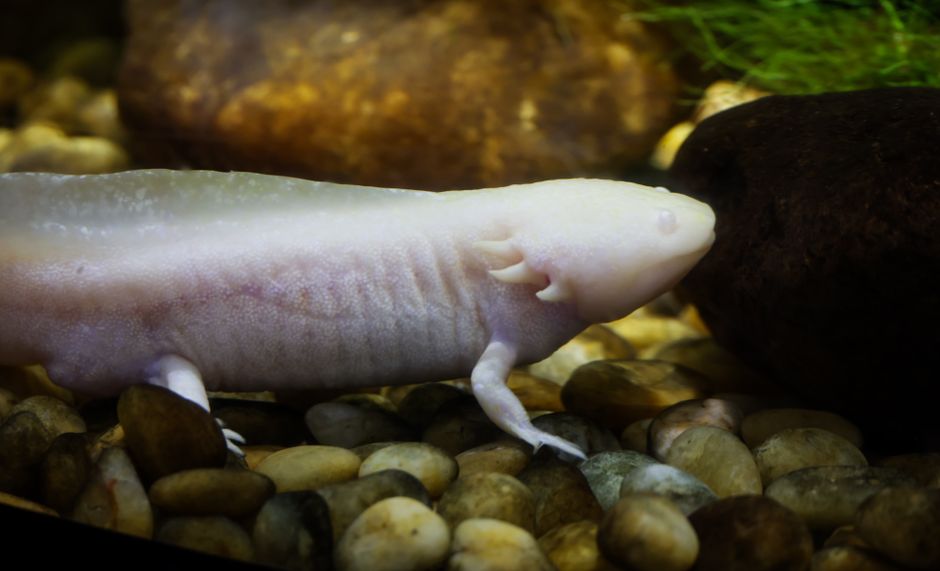
Figuring out whether axolotl eggs are fertilized is mostly a waiting game, but the signs are clear once you know what to look for. Fertilized eggs will develop a distinct dark spot (the embryo) within the first week, while unfertilized eggs remain a uniform, cloudy white or pale yellow color and never develop that spot. The most reliable method is to look for the embryo’s dark center and, later, a visible developing spine and tail.
What Do Fertilized Axolotl Eggs Look Like?
Fertilized axolotl eggs undergo visible changes quickly. Within the first 24 to 48 hours after being laid, a fertilized egg will show a small dark dot forming in the center of the clear jelly capsule. This dot is the embryo itself.
By day 4 to 7, that dark spot expands into a distinct shape. You can often see a curved line forming, which is the developing spine and tail. The embryo may also start to wiggle slightly inside the egg. This movement is a definitive sign of life and fertilization.
The egg capsule itself stays clear and transparent in fertilized eggs. This clarity is what allows you to see the embryo developing inside. If the water is clean and the eggs are healthy, the jelly remains firm and see-through.
What Do Unfertilized Axolotl Eggs Look Like?
Unfertilized eggs are the ones that cause confusion. They sit in the water looking like small, clear orbs with a white or pale yellow center. The key difference is that this center never changes.
An unfertilized egg will remain a uniform, cloudy color. It will not develop a dark spot, a spine, or any visible structure. Over time, these eggs will turn fuzzy or opaque white as they begin to break down and grow fungus.
This fungal growth is a natural process, but it is dangerous to healthy eggs. Fungus spreads quickly in water. If you see fuzzy white eggs in the tank, you should remove them immediately to protect the fertilized ones nearby.
When Can You Tell If Axolotl Eggs Are Fertilized?
You cannot tell on day one. Freshly laid eggs all look similar regardless of fertilization. The earliest reliable sign appears around day 2 to 3, when the dark spot of the embryo becomes visible under good lighting.
By day 5 to 7, the difference is unmistakable. Fertilized eggs have a clear embryo with a visible head and tail. Unfertilized eggs remain featureless and cloudy.
If an egg shows no dark spot or structure by day 7, it is almost certainly unfertilized or dead. Some sources suggest waiting up to 10 days to be completely certain, especially if the water temperature is cooler, which slows development.





How To Check Axolotl Eggs Without Damaging Them
Axolotl eggs are delicate but not fragile. You can observe them directly in the tank without touching them. Use a small flashlight or a bright phone light held against the glass to illuminate the eggs from the side. This backlighting makes the embryo much easier to see.
If you need a closer look, you can gently scoop a few eggs into a clear glass or shallow dish using a soft spoon or a turkey baster. Do not pour them out roughly. Keep them submerged in tank water while you inspect them.
Never roll the eggs around in your hands. The jelly coating is protective, and handling them too much can damage the developing embryo inside. Observe, return them gently, and repeat the check every couple of days.
Why Some Eggs Are Fertilized And Others Are Not
Female axolotls can lay hundreds of eggs in a single clutch. It is completely normal for a percentage of them to be unfertilized. This happens even with a healthy, well-matched breeding pair.
Sperm storage is one reason. Female axolotls can store sperm for months after mating. This means a female who has not been with a male recently can still lay fertilized eggs. Conversely, a female may lay eggs that were never fertilized if she ovulated without mating.
Age and health also play a role. Younger females may produce a higher number of unfertilized eggs. Older or stressed females may also produce fewer viable eggs. The ratio of fertilized to unfertilized eggs varies with every clutch, so do not panic if a third or more of the eggs fail to develop.
What To Do With Unfertilized Axolotl Eggs
Remove unfertilized eggs as soon as you identify them. They will rot and grow fungus, which can spread to healthy eggs and kill the embryos. Check the clutch every day and remove any eggs that look cloudy, fuzzy, or misshapen.
Use clean tweezers or a small pipette to lift them out. Be careful not to touch the fertilized eggs nearby. If fungus has already appeared, you may need to treat the water with a gentle antifungal solution recommended for axolotl eggs, such as methylene blue at the dose specified for aquarium use.
Some breeders leave unfertilized eggs in the tank and rely on the parent axolotls or tank cleanup crew to eat them. This works, but it risks contaminating the water. Removing them manually is the safest approach for maximizing hatch rates.
How Long Until Axolotl Eggs Hatch?
Fertilized eggs hatch in roughly 14 to 21 days after being laid. The exact timing depends heavily on water temperature. Warmer water, around 68°F to 72°F, speeds up development. Cooler water slows it down.
You will know hatching is near when the embryos are fully formed and moving frequently inside their eggs. The larvae will eventually break free of the jelly capsule and begin swimming. At this point, they are no longer embryos; they are juvenile axolotls that need food and clean water.
Do not move the hatchlings until they have fully absorbed their yolk sacs, which usually takes a few days after hatching. Moving them too early can cause stress and mortality.
Common Mistakes When Checking Axolotl Eggs
The most common mistake is mistaking the egg’s yolk for an embryo. Freshly laid eggs have a small, pale yolk in the center. This yolk is not an embryo. It is food for the developing larva. The embryo appears later as a dark, defined shape, not a soft pale blob.
Another mistake is assuming all clear eggs are fertilized. Clear eggs can be unfertilized if the contents are uniform and show no structure. Fertilization is confirmed by visible development, not by clarity alone.
Finally, do not throw out eggs too early. Cold water can delay visible embryo formation by several days. If your tank is on the cooler side, give the eggs until day 10 before culling any that show no signs of development.
Frequently Asked Questions
Can you tell if axolotl eggs are fertilized on day one?
No. Freshly laid eggs look the same whether fertilized or not. The earliest sign of fertilization is a dark spot appearing around day 2 to 3.
Do unfertilized axolotl eggs turn white?
Yes. Unfertilized eggs turn cloudy white or opaque as they break down. This often happens within the first week and is accompanied by fuzzy fungal growth.
How many axolotl eggs are usually fertilized?
It varies widely. A healthy clutch may have a high fertilization rate, but it is normal for a significant portion to be unfertilized, especially with younger females or first-time breeders.
What should I do with unfertilized axolotl eggs?
Remove them as soon as you spot them to prevent fungus from spreading to healthy eggs. Use clean tweezers or a pipette and discard them.
