
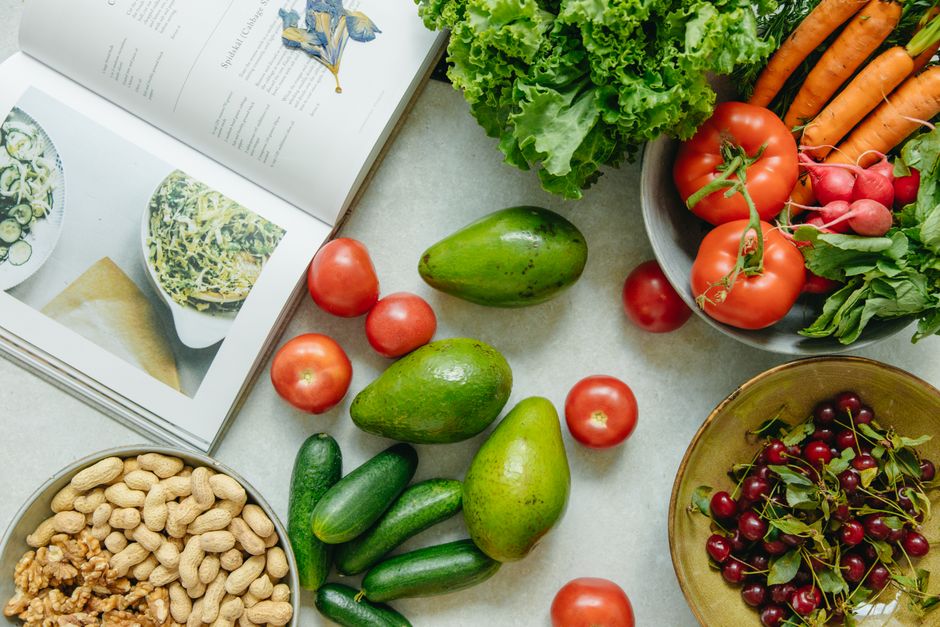
An avocado is ready to eat when it yields to gentle pressure under your thumb near the stem and the small stem cap underneath comes away easily. Color alone is unreliable — Hass avocados turn from green to dark purple-black as they ripen, but some varieties stay green even when soft. The squeeze test and the stem test together give you the most accurate answer.
How To Tell If An Avocado Is Ready To Eat
Gentle pressure is the single most reliable signal. Cup the avocado in your palm and press with your thumb just below where the stem attaches. A ripe avocado gives slightly and springs back. A hard one feels like a stone. A mushy one leaves a dent that stays.
The stem test confirms it. Peel back the small cap at the top. If it lifts easily and you see green underneath, the avocado is ready. If the cap resists and the flesh beneath is brown, it is overripe. If the cap is stuck tight, the fruit needs more time.
Color helps but should not be your only guide. Hass avocados darken as they ripen, moving from bright green to deep purple-black. But a dark skin does not always mean ripe, and a green one is not always unripe. The pressure test overrules color every time.
One detail worth knowing: avocados ripen from the inside out. That means the flesh near the pit softens before the flesh near the skin. An avocado that feels firm on the outside may already be soft at the center. This is why pressing in several spots — not just one — gives you a truer picture.
Why Does an Avocado Change Texture as It Ripens?
Ripening is an enzyme-driven process. Avocados are climacteric fruits, meaning they continue to ripen after harvest and release ethylene gas, a plant hormone that speeds the process along.
As ethylene builds up, enzymes break down pectin — the substance that holds cell walls together. When pectin softens, the fruit softens. At the same time, starches convert to sugars and oils develop, which is why a ripe avocado tastes richer and creamier than a hard one.
This is also why an avocado left on the counter next to a banana ripens faster. Bananas release a lot of ethylene. Put them in a paper bag together and the trapped gas speeds ripening further. The bag concentrates the ethylene rather than letting it escape into the air.
Cold slows this process. Refrigeration does not stop ripening but it slows it down considerably. That is the key to controlling when your avocado is ready.
How Long Does It Take for an Avocado to Ripen?
A hard, unripe avocado usually takes two to five days to ripen at room temperature. This varies with the starting firmness, the room temperature, and the variety.
Warmer rooms speed things up. Cooler rooms slow them down. Adding a banana or apple to a paper bag can shorten the wait, often to one or two days, because those fruits release ethylene.
Once ripe, an avocado holds for about two to three days at room temperature before it starts to turn. In the refrigerator, a ripe avocado can last several more days — sometimes up to a week — because cold slows the ripening enzymes.
If you want to slow ripening, move the avocado to the fridge as soon as it gives to gentle pressure. If you want to speed it up, keep it on the counter and add a ripe banana to a sealed paper bag.





What Happens If You Cut an Avocado Too Early?
An underripe avocado is firm, pale, and slightly bitter. The flesh resists the knife and may cling to the pit. It is not dangerous to eat, but it is not pleasant.
You cannot ripen a cut avocado the way you ripen a whole one. Once sliced, the ripening process largely stops because ethylene production drops and the exposed flesh begins to oxidize. A cut underripe avocado will soften a little in the fridge, but it will not develop the creamy texture of a properly ripened fruit.
If you have already cut one open and it is too firm, you have a few practical options. Slicing it thin and letting it sit with a squeeze of lime or lemon juice can soften it slightly. Some people roast or grill underripe avocado slices, which changes the texture entirely. Others blend it into smoothies where firmness does not matter.
Do not try to force-ripen a cut avocado in a microwave or oven. Heating an avocado turns it bitter and does not mimic ripening. Ripening is a chemical process, not just a temperature change.
Common Mistakes When Checking Avocado Ripeness
Most people who end up with a disappointing avocado made one of a few predictable errors.
- Squeezing too hard. A firm grip bruises the flesh under the skin. Those bruises turn brown and mushy before the rest of the fruit ripens.
- Trusting color alone. Dark skin does not guarantee ripeness, and green skin does not rule it out.
- Pressing only one spot. Because avocados ripen from the inside out, a single firm spot can hide a soft center or vice versa.
- Refrigerating too early. A hard avocado put in the fridge will ripen very slowly and may never reach peak texture before it starts to degrade.
- Leaving a ripe avocado on the counter too long. Once it gives to pressure, the clock is running. A day or two past peak, it turns brown and stringy.
The fix is simple. Check daily once the avocado starts to soften. Move it to the fridge the moment it feels right.
Does the Stem Cap Really Tell You Anything?
Yes, and it is one of the most useful checks available. The stem cap, sometimes called the button, sits at the top of the fruit where it was attached to the tree.
When the avocado is ripe, this cap loosens and lifts off easily, revealing green flesh underneath. When the avocado is underripe, the cap stays firmly attached. When it is overripe, the cap may fall off on its own, or the flesh underneath looks brown or dark.
This works because the tissue around the stem softens along with the rest of the fruit. It is a reliable secondary check when the squeeze test is ambiguous — for example, when an avocado feels firm on one side and soft on the other.
One caveat: some avocados are sold with the stem cap already missing. In that case, you have to rely on the pressure test and color.
How to Store an Avocado Once It Is Ripe
Refrigeration is the best tool for holding a ripe avocado at peak condition. Move it to the crisper drawer as soon as it passes the squeeze test. It will typically keep for several days there.
If you have already cut the avocado, the rules change. Cut avocado browns quickly when exposed to air. Pressing plastic wrap directly onto the surface of the flesh, with as little air as possible, slows the browning. A squeeze of lemon or lime juice also helps, because the acid slows oxidation.
Storing a cut avocado with the pit in place is a common practice, but the pit only protects the small area it touches. It does not prevent the rest of the exposed flesh from browning. Wrapping the surface tightly matters far more.
A cut avocado kept in the fridge with the surface well covered usually holds for a day or two before quality drops noticeably. After that, the texture and flavor decline even if it is still safe to eat.
Which Avocado Varieties Behave Differently?
Hass is the most common variety in US stores, and it is the one most people picture when they think of avocados. Hass has bumpy, darkening skin and a rich, creamy flesh.
Other varieties behave differently. Florida avocados, sometimes called green-skinned avocados, are larger and smoother. Their skin stays green even when ripe, so color is nearly useless as a ripeness cue for these. You have to rely on feel.
Some varieties also have a higher water content and a milder flavor compared with Hass. The ripeness signals — pressure and the stem cap — still apply, but the color change does not.
If you are unsure what variety you have, ignore the color and go straight to the squeeze test. It works across all types.
Frequently Asked Questions
How do I know if an avocado is ripe without cutting it?
Press gently near the stem with your thumb. A ripe avocado gives slightly and springs back, while a hard one is not ready and a mushy one is overripe.
Is a dark avocado always ripe?
No. Hass avocados darken as they ripen, but some varieties stay green when fully ripe, so color alone cannot confirm ripeness.
How long does it take to ripen a hard avocado?
A hard avocado typically takes two to five days to ripen at room temperature, and adding a banana to a paper bag can shorten that to one or two days.
What does it mean if the stem cap comes off easily?
An easily removed stem cap with green flesh underneath usually means the avocado is ripe and ready to eat.
