
Identifying wild berries takes more than a quick color check. The old saying that red berries are dangerous and blue berries are safe is simply not true. Some of the most toxic berries in North America are white and some perfectly edible berries are red. The only reliable way to know if a berry is safe is to positively identify the plant species using multiple features — the berry itself, the leaves, the stem, the flowers, and where it grows. If you cannot name the plant with absolute certainty, do not eat it. This guide explains what to look for, which plants to avoid, and why guessing is never worth the risk.
What Are the Most Reliable Signs a Berry Is Poisonous?
There is no single visual test that separates safe berries from toxic ones. Color, size, and shape do not reliably predict safety. Some toxic berries look plump and appetizing. Some safe berries are bitter and unappealing.
Instead of looking for one sign, experienced foragers check the whole plant. The berry is only one part of the identification puzzle. The leaf arrangement, stem texture, root structure, and flower shape all matter. When a plant matches every feature of a known edible species, the berry is likely safe. When any feature is uncertain, the berry stays out of your mouth.
Some general warning signs deserve attention. Plants with milky or colored sap are often toxic. Berries that grow in clusters rather than singly can be risky, though this is not a firm rule. Plants with umbrella-shaped flower heads, like poison hemlock, are dangerous. But these patterns have exceptions. The only honest rule is species-level identification.
Which Common Wild Berries Are Toxic?
Several toxic berry-producing plants grow across North America. Knowing them by name helps you recognize what not to eat.
Bittersweet nightshade produces bright red berries that look like tiny tomatoes. All parts of this plant contain solanine, a compound that causes nausea, vomiting, and digestive distress. The berries start green and turn red as they ripen.
Pokeweed has deep purple berries that hang in drooping clusters. The entire plant is toxic, especially the roots and mature stems. Children are most at risk because the berries look like grapes. Cooking does not make pokeweed berries safe, despite some folklore suggesting otherwise.
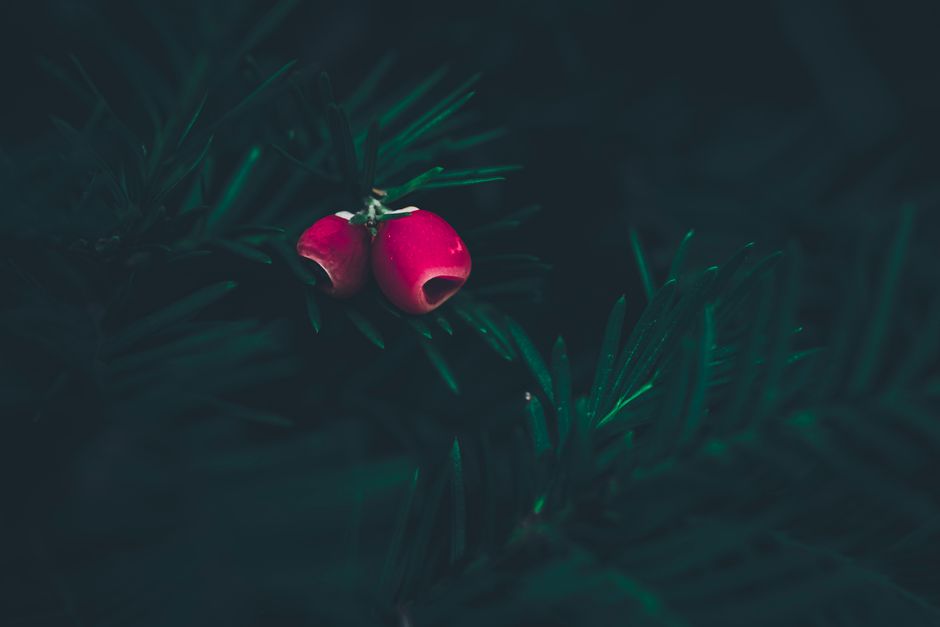
Yew berries are deceptive. The fleshy red part, called an aril, is not highly toxic. But the dark seed inside is. Swallowing the seed can cause serious poisoning. Yew is an evergreen shrub often used in landscaping, so it appears in yards and parks, not just forests.
Virginia creeper produces small dark blue berries that contain oxalate crystals. Eating them can cause burning in the mouth and throat along with stomach pain. The plant itself is a common vine with five leaflets per leaf stem.
Holly berries are red and festive but cause vomiting and diarrhea when eaten. They contain saponins and other compounds that irritate the digestive tract. Most people spit them out quickly because they taste terrible.
This list is not complete. Many other toxic berries exist. The point is that several common plants produce berries that range from mildly irritating to genuinely dangerous.
What Does Berry Poisoning Actually Do to the Body?
Toxic berries harm the body through different chemical mechanisms. Knowing what symptoms look like helps you respond quickly if someone eats an unknown berry.
Some toxins, like solanine in nightshade plants, irritate the stomach lining and interfere with nerve signaling. Symptoms include nausea, vomiting, abdominal cramps, and diarrhea. These often appear within a few hours of eating.
Other toxins affect the heart directly. Cardiac glycosides, found in plants like lily of the valley, disrupt the electrical signals that control heartbeat. This can cause irregular heart rhythms that become life-threatening.
Some berries contain compounds that depress the central nervous system. These can cause drowsiness, confusion, slurred speech, or seizures in severe cases. Yew seeds contain taxine alkaloids that can stop the heart if enough seed material is swallowed.
Children are at higher risk than adults. Their smaller bodies mean a smaller amount of toxin reaches dangerous levels. A single berry that causes mild stomach upset in an adult can cause serious illness in a toddler.
Symptoms vary widely based on the plant, the amount eaten, and the person’s size and health. Some poisonings produce symptoms within 30 minutes. Others take several hours to appear.





How To Tell If A Berry Is Poisonous Using Plant Identification
Accurate plant identification requires looking at multiple features at once. Carry a field guide or use a reputable plant identification app when foraging. Photograph the plant from several angles before you pick anything.
Start with the leaves. Are they arranged opposite each other on the stem or alternating? Are the edges smooth, serrated, or lobed? Is the leaf surface shiny or dull? These details narrow down the plant family quickly.
Look at the stem and branches. Some toxic plants have hollow stems. Others have thorns, ridges, or distinctive colors. The way the plant attaches to the ground matters too. Does it grow as a single stalk, a spreading vine, or a woody shrub?
Check the berry cluster structure. Do berries grow singly, in pairs, or in large bunches? How do they attach to the stem? The shape of the berry itself — round, oval, flattened — provides another clue.
Flowers are the most reliable identification feature when present. The number of petals, their color, and their arrangement often identify a plant species more precisely than any other feature. If the plant is not flowering, use leaf and stem characteristics instead.
When you believe you have identified an edible berry, verify it against at least two independent sources. A field guide with clear photographs is better than memory. An app that uses image recognition can help but is not infallible. Cross-check your identification before eating anything.
What Should You Do If Someone Eats an Unknown Berry?
Do not wait for symptoms to appear before acting. If someone has eaten an unknown berry, especially a child, call poison control immediately. In the United States, the Poison Help Line is available 24 hours a day at 800-222-1222.
Save a sample of the berry and plant if possible. Take photos of the plant, leaves, and stem. This information helps poison control specialists identify the species and determine the level of risk. Do not induce vomiting unless a medical professional specifically instructs you to do so.
If the person is unconscious, having seizures, or struggling to breathe, call 911 immediately. These are signs of severe poisoning that require emergency medical treatment.
Mild symptoms like slight nausea or a bad taste may not require emergency care. But you cannot know that without guidance. Poison control specialists can assess the situation over the phone and tell you whether home monitoring is safe or whether medical evaluation is needed.
Bring the plant sample with you if you go to an emergency room. Botanists at some poison centers can identify plants from photographs or physical samples. This information guides treatment decisions.
Are Store-Bought Berries Ever Confused With Wild Ones?
Commercial berries are safe because they are grown under controlled conditions. The risk of confusion happens when people forage near agricultural areas or in abandoned gardens. Cultivated plants can escape and grow wild, but they may hybridize with wild relatives.
Wild blueberries and huckleberries are generally safe to eat once positively identified. Wild blackberries and raspberries are also edible. These berries have a distinctive structure — they are made of many small segments called drupelets clustered together.
Aggregate berries like blackberries and raspberries have no known toxic lookalikes in North America. This makes them a safer choice for beginners than single berries like blueberries, which require more careful identification.
Still, never assume a berry is safe because it looks like something from the grocery store. Wild versions of familiar fruits can be different species with different properties. And some toxic berries mimic the appearance of safe ones closely enough to fool casual observers.
Why Do Some People Eat Wild Berries Without Getting Sick?
Some people have eaten wild berries for years without problems. This does not prove the berries are safe. It may mean they have been lucky, or that they have learned to identify specific plants in their local area with high accuracy.
Individual tolerance varies. Some people experience mild symptoms from berries that make others seriously ill. Children, elderly people, pregnant women, and people with compromised immune systems may react more severely to smaller amounts.
Seasonal variation matters too. Some plants contain higher toxin levels at certain times of the year. A berry that causes only mild stomach upset in autumn might cause more severe symptoms in spring when toxin concentrations are higher.
Preparation affects safety for some species. Certain berries that are toxic raw become edible after cooking. But this is species-specific. Cooking does not neutralize all plant toxins. Some are heat-stable and remain dangerous regardless of preparation.
The safest approach is simple: eat only berries you have positively identified as edible, and eat them in small amounts the first time. Even safe wild berries can cause digestive upset in large quantities simply because your body is not used to them.
What Resources Help With Berry Identification?
Printed field guides remain the gold standard for plant identification. Regional guides are better than national ones because they focus on plants you will actually encounter. Look for guides with clear photographs and detailed descriptions of leaves, stems, flowers, and berries.
Several universities maintain online databases of native plants with photographs and range maps. Cooperative Extension offices in many states offer plant identification services. You can submit photographs and receive confirmation from trained horticulturists.
Plant identification apps have improved significantly in recent years. They are useful as a starting point but should not be your only source of identification. Apps can misidentify plants, especially when photographs are blurry or taken at unusual angles.
Local foraging groups and classes provide hands-on learning. An experienced forager can show you the subtle differences between similar species. This practical experience is the most effective way to build identification skills.
Poison control centers maintain information about toxic plants in their regions. Some publish lists of dangerous local plants with photographs. These resources help you know what to avoid in your specific area.
Frequently Asked Questions
Can you tell if a berry is poisonous by its color?
No. Color alone cannot determine whether a berry is safe to eat. Some toxic berries are red, white, or blue, and many edible berries share the same colors.
What is the safest way to identify a wild berry?
Identify the entire plant using leaves, stems, flowers, and berry structure, then confirm your identification with at least two reliable sources. If you cannot name the species with certainty, do not eat the berry.
Are there any wild berries that are always safe to eat?
No plant is universally safe for every person in every situation. Wild blackberries and raspberries are generally considered safe for most people once positively identified, but individual reactions can still occur.
What should you do immediately after eating a possibly poisonous berry?
Call poison control at 800-222-1222 right away and save a sample or photo of the plant for identification. Do not induce vomiting unless a medical professional tells you to.
