
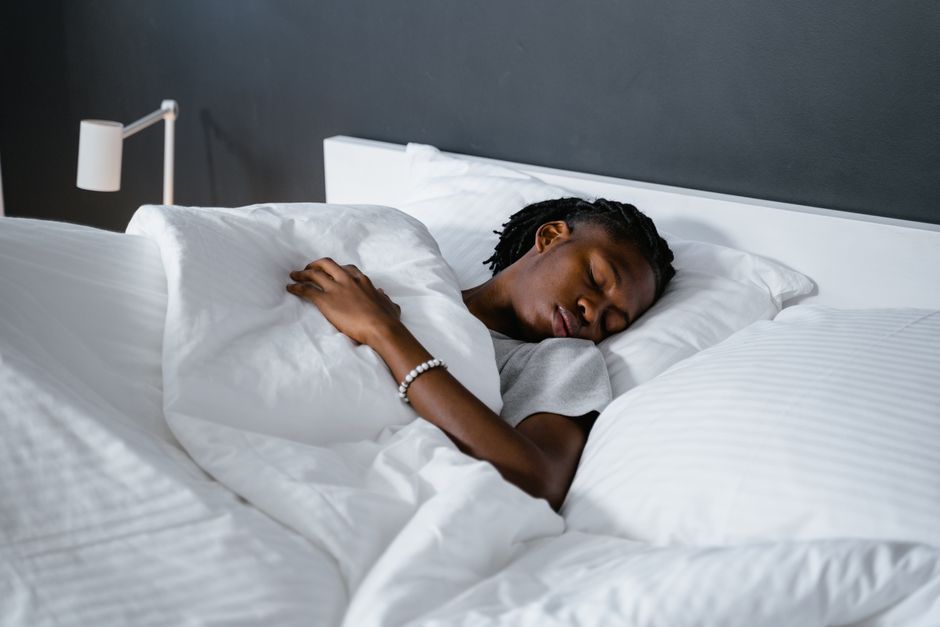
Sleeping on your back is a goal for many people, often because of concerns about wrinkles, acid reflux, or neck pain. Most adults naturally settle into a side or stomach position, so switching takes time and consistency. The most reliable method involves a combination of positional aids, a consistent bedtime routine, and accepting that it will take a few weeks to feel normal.
Why Is Sleeping On Your Back So Hard?
Your body learns sleep positions over years, not nights. If you have slept on your stomach since childhood, your spine, neck, and even your skin are used to that alignment. Muscles and joints adapt to the positions you hold most often, and changing that overnight feels wrong, even if it is better for you.
There is also a safety reflex at play. Your brain associates the sensation of lying face-up with being awake. When you drift off, that association can trigger a subtle urge to roll over. This is not a sign of failure. It is a learned habit that responds to retraining, just like any other routine.
Start With The Right Pillow Setup
Pillow choice is the single most important factor for back sleeping comfort. A pillow that is too thick forces your head forward, straining your neck. A pillow that is too flat lets your head drop back, which can feel like you are choking or unable to breathe comfortably.
Look for a pillow that keeps your head and spine in a neutral line. For most people, this means a medium-loft pillow, not a thick one. Some back sleepers prefer a cervical contour pillow, which has a dip for the head and support under the neck curve. If you are unsure, test pillows in a store by lying flat and having someone check whether your forehead is higher than your chin. If it is, the pillow is too high.
Under the knees matters just as much. A firm pillow or rolled blanket placed under your knees reduces the curve in your lower back. This takes pressure off the lumbar spine and makes the position feel more sustainable for the whole night.
Use Barriers To Stop Rolling Over
Your body will try to return to its old position while you sleep. You can make that harder without waking yourself up.
One effective method is the pillow fort. Place pillows on both sides of your body, from your ribs down to your hips. This creates a shallow channel that discourages rolling onto your side. It does not prevent movement entirely, but it interrupts the roll just enough that you often shift back to your back without fully waking.
A heavier option is a body pillow placed lengthwise along one side. Tuck it between your knees if you do roll over, which keeps your spine aligned even in a side position. This is a compromise strategy that many people find easier than strict back-only sleeping.
Some people try the tennis ball trick, which involves taping a tennis ball to the back of a sleep shirt. The discomfort of lying on the ball wakes you enough to shift back. This works for some, but it can disrupt sleep quality significantly. Use it only if other methods have failed and you are willing to trade some sleep disruption for position training.





Train Your Body During The Day
You do not have to wait until bedtime to practice. Spending short periods lying on your back while awake helps your body adapt to the position. Ten minutes of lying flat on the floor or your bed while reading or doing breathing exercises can reduce the novelty of the position.
This daytime practice also lets you adjust your pillow setup without the pressure of needing to fall asleep. You can experiment with different pillow heights and knee support while awake, then keep what works when you go to bed that night.
Some people also benefit from gentle stretching before bed. Tight hip flexors and chest muscles pull the body toward a curled, side-lying position. Basic stretches for the chest and hips, held for 30 seconds each, can reduce that pull and make back lying feel more natural.
How Long Does It Take To Adjust?
Most people need two to four weeks of consistent effort before back sleeping feels normal. The first three to five nights are the hardest. You will likely wake up on your side or stomach despite your best efforts. This is expected, not a sign that the method is failing.
After the first week, many people report waking on their back more often than not. The position still feels unusual, but the urge to roll decreases. By the end of the second week, most find they can fall asleep on their back without much effort. Full comfort, where you do not think about the position at all, typically comes after a month.
If you have not seen progress after four weeks, reassess your setup. The pillow is often the problem. A pillow that worked for side sleeping will rarely work for back sleeping. You may also need firmer knee support. Small adjustments make a large difference.
When Back Sleeping Is Not A Good Idea
Back sleeping is not the best position for everyone. People with obstructive sleep apnea often find that lying on their back worsens their breathing. The soft tissue at the back of the throat collapses more easily in this position, increasing apnea events. If you have sleep apnea, talk to your doctor before attempting back sleeping.
Snoring can also get louder on your back for the same reason. If your partner notices increased snoring, or if you feel more tired during the day, back sleeping may not be right for you.
Pregnant women in the third trimester are often advised to avoid sleeping flat on their backs. The weight of the uterus can compress the vena cava, a major vein that returns blood to the heart. Current guidance generally recommends side sleeping in late pregnancy. If you are pregnant, check with your obstetrician before starting any position change.
Acid reflux is another consideration. Lying flat on your back can allow stomach acid to travel more easily into the esophagus. If you have frequent heartburn, elevating the head of your bed or sleeping on your left side may be more effective than back sleeping.
What If Back Sleeping Does Not Help Your Pain?
Many people try back sleeping specifically to relieve back or neck pain. The evidence here is more mixed than popular claims suggest. Some research indicates that back sleeping with proper support reduces pressure on the spine. Other studies show that the best position is the one that lets you sleep without waking up in pain.
If you switch to back sleeping and your pain does not improve within three weeks, the position is not the solution for you. Pain that persists despite position changes deserves a proper evaluation. It may relate to your mattress, your pillow, or an underlying condition that no sleep position will fix.
It is also worth noting that back sleeping does not cure snoring or sleep apnea. It can reduce them in some people, but it is not a treatment. If you have been told you snore heavily or stop breathing during sleep, a sleep study is the appropriate next step, not a pillow change.
Practical Tips For The First Week
Keep your expectations realistic for the first few nights. You will not wake up on your back every morning. The goal is gradual improvement, not perfection.
- Set up your pillow fort before you get into bed, not after you are already sleepy.
- Do a five-minute wind-down lying on your back before you intend to sleep.
- If you wake up on your side, just roll back. Do not get up or turn on lights.
- Keep a sleep journal for one week. Note what position you wake in each morning. This gives you objective data on whether you are improving.
Consistency matters more than any single technique. Missing one night of practice does not undo progress. Missing a week does. Treat this like any habit change and give it a fair trial of at least three weeks before deciding if it works for you.
Frequently Asked Questions
Can I train myself to sleep on my back in one night?
No, one night of effort will not change a lifelong habit. Most people need two to four weeks of consistent practice before back sleeping feels normal.
What is the best pillow for back sleeping?
A medium-loft pillow that keeps your head and spine in a neutral line works best for most people. A cervical contour pillow or a thin pillow under the knees can also help reduce strain.
Why do I keep waking up on my side even with pillows around me?
Your body has a strong learned preference for your usual position, and pillows only interrupt the roll rather than preventing it. This is normal in the first week, and the frequency usually decreases with time and consistent practice.
Is sleeping on your back bad for sleep apnea?
For many people with obstructive sleep apnea, back sleeping worsens breathing because throat tissues collapse more easily in that position. If you have sleep apnea, talk to your doctor before trying to switch positions.
