
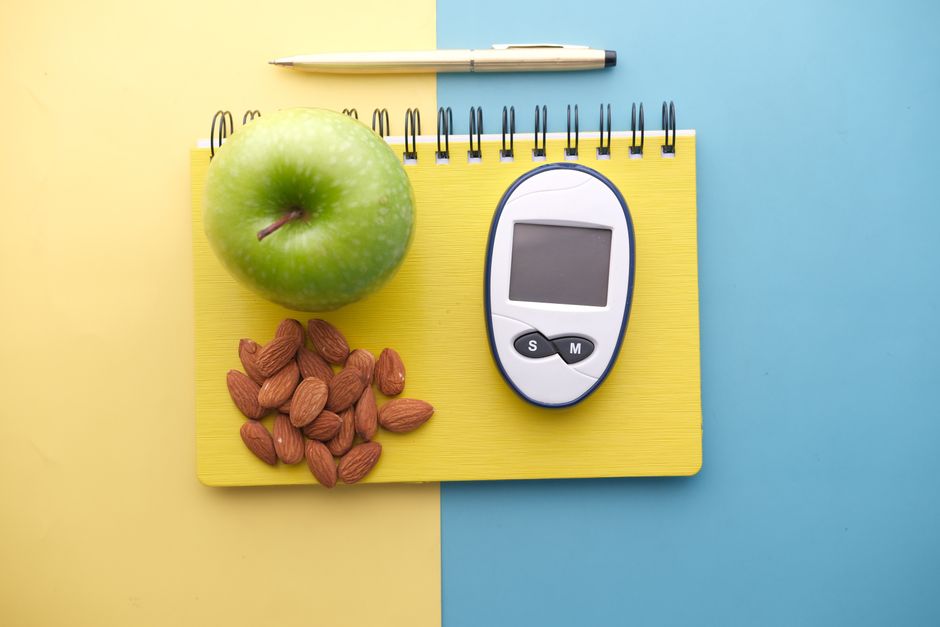
Checking your blood sugar at home takes about a minute once you know the steps, and the numbers you get can shape real decisions about food, activity, and medication. The basic process is the same for almost everyone: wash and dry your hands, insert a test strip into the meter, prick the side of a fingertip with a lancet, touch the drop of blood to the strip, and read the result. The details — when to test, where to prick, and what the number means — are where most people run into trouble.
What Do You Need Before You Start Testing?
A blood glucose meter, a matching box of test strips, and a lancing device with fresh lancets. That is the whole kit. Everything else is technique.
The single most common mistake is using strips that do not match the meter. Test strips are made for specific meter models, and a strip from a different brand will either give an error or a wrong reading. Check the box before you buy refills.
Also check expiration dates. Strips that are past their date, or that have been sitting open in a humid bathroom, can read inaccurately. Store strips in their original container with the lid closed, at room temperature. Do not keep them in the fridge or in a hot car.
Lancets are designed for single use. Reusing them dulls the tip, which makes the prick hurt more and can introduce bacteria. Many people reuse lancets anyway because they are expensive and the risk of infection is low for most people. That is a personal trade-off, not a recommendation. If you have a weakened immune system or poor circulation, use a fresh one each time.
How To Take Your Blood Sugar Step By Step Testing
Here is the sequence, in order, with the reason behind each step.
- Wash your hands with warm soapy water and dry them completely. Warm water improves blood flow to the fingers. Soap removes food residue and lotion, both of which can raise a reading. If you cannot wash, use an alcohol swab and let it dry fully — alcohol mixed into the blood drop can also skew the result.
- Insert a test strip into the meter. Most meters turn on automatically. Wait for the screen to show the drop symbol or the word “ready.”
- Prepare the lancing device. Twist on a fresh lancet and set the depth. Thinner skin needs a shallower setting. Callused skin may need deeper.
- Choose the side of a fingertip, not the center. The pad of the fingertip has more nerve endings, so the center hurts more. The side of the finger has good blood flow and fewer nerves.
- Prick firmly and hold still. Press the device against the skin and trigger it. Do not jab and pull away at the same time.
- Let a drop form. If it does not come easily, lower your hand below your heart and gently massage from the base of the finger toward the tip. Do not squeeze hard — squeezing forces fluid out of the tissue and dilutes the blood, which lowers the reading.
- Touch the strip to the drop. Let the strip wick the blood in. Do not smear blood onto the strip or press the finger directly against it.
- Wait for the number. Most meters take about five seconds. The countdown is on the screen.
- Record the result. Write it down or let the meter store it. A single number means little on its own. The pattern over days and weeks is what matters.
Rotate fingers. Using the same spot every time builds calluses and makes future pricks harder. Many people work through all ten fingers before starting over.
When Should You Test?
Timing depends entirely on why you are testing and what your clinician has asked you to track. There is no single schedule that fits everyone.
For people managing diabetes, common testing points include:
- Fasting, first thing in the morning before eating or drinking anything except water
- Before a meal
- Two hours after the start of a meal
- Before bed
- Before, during, or after exercise
- Any time you feel symptoms of low blood sugar — shakiness, sweating, confusion, sudden hunger
Testing at the same times each day is more useful than testing randomly. If you test two hours after breakfast one day and four hours after lunch the next, you cannot compare the two numbers.
People with type 2 diabetes who are not on insulin may not need to test daily. Some clinicians recommend testing a few times a week, or doing paired testing — before and after a specific meal — to see how certain foods affect you. Others suggest testing less often. The right frequency depends on your medications, your A1C, and how stable your numbers are. Ask your clinician what schedule makes sense for you rather than following a general rule.
Continuous glucose monitors, which sit on the skin and read glucose every few minutes, have changed this picture for many people. They do not replace fingersticks entirely — most still require occasional fingerstick checks to calibrate or confirm readings — but they show patterns that a handful of daily pricks cannot.




What Do the Numbers Mean?
For adults without diabetes, fasting blood glucose generally falls between 70 and 99 mg/dL. A fasting level of 100 to 125 mg/dL is classified as prediabetes, and 126 mg/dL or higher on two separate tests is consistent with diabetes. These thresholds come from standard diagnostic criteria used across clinical practice.
For people with diabetes, target ranges vary by age, other health conditions, and how long you have had diabetes. A commonly cited general target for many adults is 80 to 130 mg/dL before meals and under 180 mg/dL two hours after a meal begins. Your clinician may set different targets — tighter for some people, looser for others, particularly older adults or those at high risk of low blood sugar.
Home meters are not perfectly precise. Regulatory standards allow a margin of error, so a reading of 100 might actually reflect a true value somewhat above or below that. This is why trends matter more than single readings. If you get a number that seems wrong — you feel fine but the meter says you are low, or vice versa — wash your hands and test again with a fresh strip.
What Are the Most Common Testing Mistakes?
Most inaccurate readings trace back to a handful of avoidable errors.
- Unwashed hands. Even a small amount of fruit juice or lotion on a fingertip can push a reading up substantially. This is the single most common cause of a surprise number.
- Squeezing the fingertip. Milking the finger forces interstitial fluid into the sample and dilutes it.
- Using expired or improperly stored strips. Heat, humidity, and age all degrade the enzymes in the strip.
- Not enough blood. A partial sample can trigger an error code, or worse, an inaccurate result. If the meter does not get enough blood, discard the strip and start over.
- Testing a cold hand. Cold fingers have less blood flow. Warm your hands first.
- Comparing readings across different meters. Two meters can give different numbers from the same drop of blood. Pick one meter and stick with it for tracking.
One thing worth knowing: the alcohol in hand sanitizer can affect a reading if it has not fully evaporated. If you use sanitizer instead of washing, wait until your hands are completely dry.
How Do You Know Your Meter Is Accurate?
You can check it against a control solution, which comes with many meters or is sold separately. Control solution has a known glucose range printed on the vial. If your meter reads within that range using control solution, the meter and strips are working properly.
Many manufacturers also recommend checking your meter against a lab result once a year, or whenever you get bloodwork done. Bring your meter to the appointment, test at the same time as the blood draw, and compare. Small differences are normal. Large ones suggest a problem with the meter or your technique.
If readings consistently seem off, call the meter manufacturer. They can troubleshoot or replace the device. Do not simply adjust your insulin or medication based on a meter you do not trust.
When Should You Call a Professional?
Contact your clinician if you get readings that are consistently outside your target range, if you have frequent low blood sugar episodes, or if your numbers change suddenly without an obvious reason.
Seek urgent medical care for a reading below 54 mg/dL with symptoms you cannot treat, or for very high readings accompanied by nausea, vomiting, deep rapid breathing, confusion, or fruity-smelling breath. Those can signal a medical emergency.
Do not change insulin doses, diabetes medications, or treatment plans based on home readings alone without guidance. Testing gives you information. What to do with that information is a clinical decision.
Frequently Asked Questions
Should I use the first drop of blood or wipe it away?
If your hands are clean and dry, the first drop is fine and is what most meters are designed to use. Some clinicians suggest wiping away the first drop if you used alcohol or if your hands were not washed, since the initial drop may be diluted.
Does it hurt to prick your finger for blood sugar testing?
It should be mildly uncomfortable rather than painful when done correctly. Pricking the side of the fingertip instead of the center, using a fresh lancet, and setting the depth correctly all reduce discomfort.
Can I test on my arm instead of my finger?
Some meters allow testing on the forearm or upper arm, but fingertip readings respond faster to rapid changes in blood sugar. Do not use alternate sites when you suspect low blood sugar or right after eating, exercising, or taking insulin.
How often should I test my blood sugar?
There is no single answer — it depends on your medications, your A1C, and what your clinician has asked you to track. People on insulin typically test more often than people managing type 2 diabetes with diet and oral medication.
