
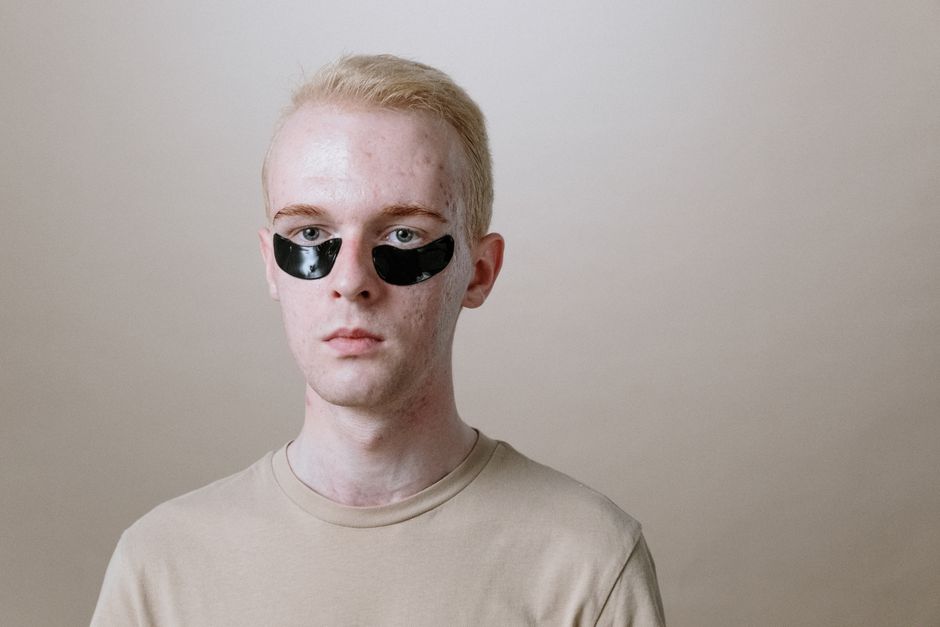
You can reduce the redness of a pimple fastest with a cold compress and an over-the-counter hydrocortisone cream, both of which calm inflammation rather than treating the pimple itself. A cold compress works in minutes by narrowing blood vessels at the surface of the skin. Hydrocortisone can ease redness over several hours. Neither one clears the pimple, so pair either with a spot treatment that targets the cause.
Redness is inflammation, not the pimple itself. That distinction explains why some fast fixes work and others do nothing.
Why Is A Pimple Red In The First Place?
A pimple turns red because your immune system is doing its job. When a pore clogs with oil and dead skin cells, bacteria that normally live on the skin — mainly Cutibacterium acnes — can multiply inside it. Your body responds by sending blood and immune cells to the area. That rush of blood is what you see as redness.
This is why redness and the bump itself are two separate things. The bump is the clogged pore and the inflammation around it. The redness is the visible blood flow. You can calm the redness without shrinking the pimple, and you can shrink the pimple without fully clearing the redness right away.
Dermatologists sometimes call the red mark left behind after a pimple heals post-inflammatory erythema. That is a different problem from an active pimple. It is a lingering red or pink mark where the inflammation was, and it can last for weeks or months. Fast fixes for an active pimple do not usually speed up post-inflammatory erythema. That fades on its own timeline.
What Is The Fastest Way To Take The Redness Out Of A Pimple?
A cold compress is the fastest method. Wrap an ice cube in a thin cloth or paper towel and hold it against the pimple for about a minute at a time. Cold narrows the small blood vessels near the skin’s surface, which reduces the visible redness. It also numbs the area a little, which helps with pain and throbbing.
Do not press ice directly on the skin. Bare ice can damage skin tissue and cause its own irritation, especially if you leave it on too long. Keep it brief and use a barrier. Repeat a few times over the day if needed.
Hydrocortisone cream is the other common fast option. It is a mild steroid that calms inflammation. Some clinicians suggest a small amount of over-the-counter 1% hydrocortisone on a pimple for a day or two to reduce redness. This is a short-term measure, not a treatment plan. Using steroid creams on the face for more than a few days without medical advice is not recommended, because prolonged use can thin the skin.
Neither a cold compress nor hydrocortisone treats the cause. They buy you time and reduce how visible the pimple is. The pimple itself still needs a treatment that addresses the clogged pore and bacteria.
Do Pimple Patches Actually Reduce Redness?
Hydrocolloid pimple patches can help, but not for the reason many ads suggest. These small stickers absorb fluid and create a moist barrier over the pimple. That can reduce the appearance of a whitehead and protect the area from picking and friction. Some people find the covered pimple looks less red simply because it is less irritated.
What hydrocolloid patches do not do is deliver medicine unless the patch is medicated. Plain hydrocolloid patches contain no active ingredient. Patches that include salicylic acid or benzoyl peroxide do have a treatment component, though the evidence for how well these specific patch products work is limited compared with leave-on treatments.
The honest position: patches are useful for covering and protecting a pimple and for stopping you from touching it. They are not a reliable way to make redness vanish quickly. If a patch helps you leave the pimple alone, that alone can reduce how red and irritated it becomes.
What Ingredients Target The Pimple Itself?
Redness fades faster when the underlying pimple calms down. A few ingredients have solid evidence behind them for treating acne.
- Benzoyl peroxide kills acne bacteria and reduces inflammation. It is available over the counter in several strengths. It can dry and irritate skin, so start with a lower strength.
- Salicylic acid helps unclog pores by encouraging the shedding of dead skin cells. It is common in over-the-counter acne products.
- Adapalene is a topical retinoid available without a prescription in some countries, including the US. It helps keep pores from clogging. It can cause dryness and irritation at first, and it works over weeks, not hours.
None of these are fast fixes for redness on their own. They work by treating the pimple over days. The realistic approach is to use a cold compress or a brief course of hydrocortisone for the redness today, while a proper acne treatment addresses the pimple over time.
For stubborn or frequent acne, a dermatologist can prescribe stronger options. Some prescription treatments work faster or more reliably than over-the-counter products, and a clinician can match the treatment to your skin.
What Should You Avoid When A Pimple Is Red?
Most things that make a pimple worse are things people do to try to fix it fast. Picking, squeezing, and popping push bacteria and inflammation deeper into the skin. That makes redness worse and raises the risk of scarring and a longer-lasting mark.
Harsh scrubs and strong alcohol-based toners irritate the skin barrier. Irritated skin looks redder, so these can backfire. Hot water and steam can also increase surface redness temporarily.
Toothpaste is a common home remedy and a bad idea. It contains ingredients that irritate skin and dry it out, and there is no evidence it helps a pimple. The same goes for lemon juice, which is acidic enough to irritate and can make skin more sensitive to sunlight.
One clarification worth knowing: a pimple that is deep, painful, and growing is often a cyst or nodule rather than a simple pimple. These are more likely to scar and are harder to treat at home. They are a reason to see a doctor rather than keep applying spot treatments.
Can Makeup And Skincare Help Hide Or Calm Redness?
Green-tinted color correctors can visually cancel redness. Green sits opposite red on the color wheel, so a thin layer of green corrector under foundation can make a red pimple look less red in photos and in person. This is cosmetic, not a treatment, but it is a legitimate way to reduce visible redness quickly.
For skincare, gentle is better when skin is inflamed. A mild, non-comedogenic moisturizer supports the skin barrier. Some soothing ingredients, like niacinamide and centella, are marketed for redness. Evidence for niacinamide in calming inflammation is reasonable; evidence for many botanical soothing ingredients is thinner. Use them if they suit your skin, but do not expect dramatic results on an active pimple.
Sunscreen matters more than people realize. Sun exposure can darken the marks left by acne and make lingering redness last longer. Daily sun protection helps prevent red marks from turning into darker, longer-lasting ones.
When Should You See A Doctor About A Red Pimple?
Most single pimples do not need medical care. See a doctor or dermatologist if pimples are frequent, deep, or painful, or if they are leaving scars or persistent marks. Acne that does not respond to over-the-counter treatment after a few months is also a reason to get help.
A pimple that is rapidly growing, very painful, hot, or spreading redness beyond the bump may be something else, such as an infection. Redness that spreads, fever, or a pimple that keeps getting worse rather than settling are signs to get medical attention rather than keep treating at home.
Acne is treatable, and effective prescription options exist. Getting help early can reduce scarring and the long-lasting marks that outlast the pimple itself.
Frequently Asked Questions
How do you get rid of pimple redness overnight?
You usually cannot clear it fully overnight, but a cold compress and a small amount of over-the-counter hydrocortisone can reduce redness noticeably by morning. Neither treats the pimple, so the bump may still be there.
Does ice help a red pimple?
Yes, briefly. Cold narrows surface blood vessels and reduces visible redness within minutes. Wrap ice in a cloth and keep it on for about a minute at a time to avoid irritating the skin.
Is toothpaste good for pimples?
No. Toothpaste irritates and dries the skin, and there is no evidence it helps a pimple. It can make redness and irritation worse.
How long does pimple redness last?
An active pimple’s redness usually settles over a few days as the inflammation calms. The red mark left after it heals can last for weeks or months and fades on its own timeline.
