
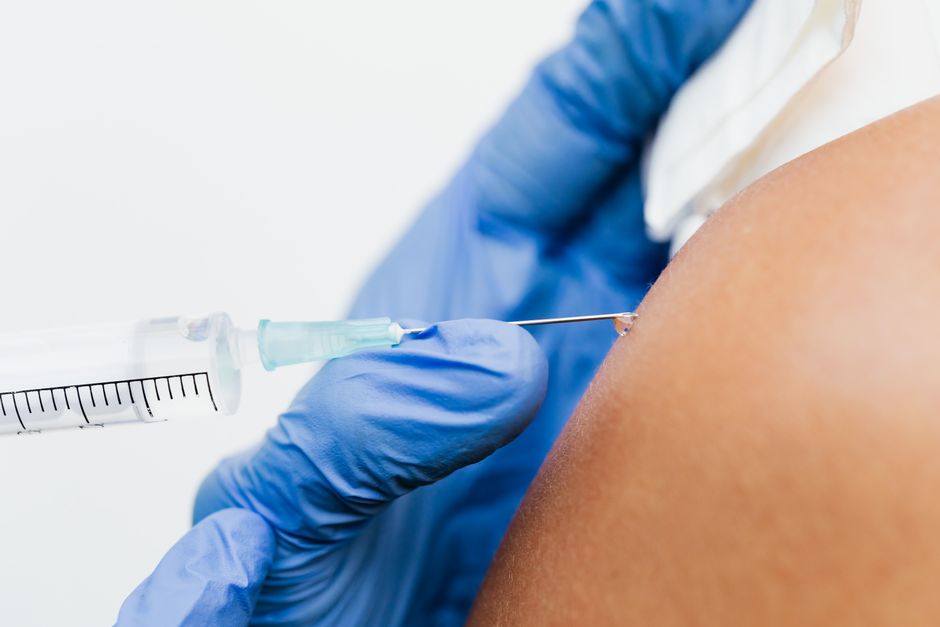
Testosterone replacement therapy comes in several forms, and how you take each one matters as much as the prescription itself. Injections go into muscle or fat on a schedule set by your clinician. Gels and creams are rubbed onto clean, dry skin once daily. Pellets are placed under the skin by a clinician, and nasal gels are applied inside the nose. Each method has its own timing, storage, and safety rules, and none of them work well without regular blood testing and follow-up.
How To Take Testosterone Injections Gels And More
Every form of testosterone therapy is a prescription treatment for diagnosed low testosterone, not a general wellness product. The method your clinician chooses depends on your levels, symptoms, preferences, and health history. What follows is how each form is generally used, based on established prescribing information.
Injections
Testosterone injections are usually given into a large muscle, most often the buttock or thigh. Some formulations are designed for deeper fatty tissue instead. A clinician or nurse often gives the first dose and teaches you the technique if you will self-inject at home.
Dosing schedules vary by product. Some are given roughly every two to four weeks. Others, including certain formulations, are given weekly or even more often. Your clinician sets the schedule based on the specific product and your response. Do not adjust the timing or amount on your own.
For home injection, the general steps look like this:
- Wash your hands and clean the injection site with an alcohol swab.
- Check the vial for the correct medication, strength, and expiration date.
- Draw the prescribed dose using a new needle and syringe each time.
- Inject at the angle and depth your clinician showed you.
- Dispose of used needles in a sharps container, never in household trash.
Rotate injection sites to reduce soreness and scarring. Report any redness, swelling, or pain that does not settle.
Gels and creams
Testosterone gels and creams are applied to clean, dry skin once daily, usually in the morning. Common application sites include the shoulders, upper arms, or abdomen. Some products are applied to the thighs. Follow the specific instructions for your product, because sites differ.
Wash your hands thoroughly with soap and water right after applying. Let the gel dry completely before dressing. Cover the application site with clothing once dry.
The most important rule with gels: other people must not touch the treated skin. Testosterone can transfer through skin contact and affect women and children, causing unwanted changes. This is called secondary exposure. Until you wash the area, keep it covered. If skin-to-skin contact happens, the other person should wash the area with soap and water right away.
Pellets
Testosterone pellets are small implants placed under the skin of the buttock by a clinician. They release testosterone slowly over several months. You do not manage dosing at home. The clinician places them during an office visit, and the site is monitored for infection or pellet extrusion.
Nasal gel
A nasal testosterone gel is applied inside each nostril using a metered pump, typically three times a day. The dose is fixed by the device. Do not blow your nose right after applying, and avoid touching the application area.
Buccal and other forms
A buccal tablet form is placed against the upper gum and held in place until it dissolves. It is used less often than other options. Your clinician can explain whether it fits your situation.
What should you check before starting testosterone therapy?
Testosterone therapy is for people with confirmed low testosterone and symptoms, not for low levels alone. Guidelines generally recommend measuring testosterone on at least two separate mornings, since levels naturally rise and fall through the day and single low readings can be misleading.
Before starting, your clinician should review your health history carefully. Conditions that need attention include:
- Prostate cancer or breast cancer
- Heart disease and stroke risk
- Blood clotting disorders
- Sleep apnea
- High red blood cell counts
Testosterone can raise red blood cell production, which thickens the blood and can increase clotting risk. It can also worsen sleep apnea and cause fluid retention. These are reasons therapy needs monitoring, not reasons it is always avoided. The decision is individual.
If you have a partner who could become pregnant, or if you are trying to conceive, tell your clinician. Testosterone suppresses sperm production and can affect fertility. This is a well-established effect, not a rare one.
How do you know if your dose is right?
Dose is judged by blood levels and symptoms together, not by how you feel alone. Your clinician will usually check testosterone levels at set intervals after starting or changing a dose, and adjust from there.
Timing of the blood draw matters. For injections, levels are typically checked midway between doses. For gels, they are often checked in the morning before the next application. Checking at the wrong time can give a misleading result. Follow your clinician’s instructions on when to test.
Other labs are usually monitored too:
- Hematocrit, which reflects red blood cell concentration
- Prostate-specific antigen (PSA) in men, as a baseline and for monitoring
- Estradiol in some cases
Normal total testosterone reference ranges are generally reported as roughly 300 to 1,000 ng/dL, though labs set their own ranges and targets vary by individual. Your clinician aims for a level that relieves symptoms without pushing red blood cells or other markers out of range.





What are the common side effects of each form?
Side effects overlap across forms, but each has its own issues.
Injections can cause pain, bruising, or bleeding at the site. Levels can swing, with higher levels soon after a dose and lower levels before the next one. Some people notice mood or energy changes across that cycle.
Gels can cause skin irritation at the application site. The main concern is transfer to others, which is why washing hands and covering the site matter every single time.
Pellets can cause site infection, pain, or the pellet working its way out of the skin. Nasal gel can irritate the nose.
Across all forms, possible effects include acne, fluid retention, breast tenderness or enlargement, mood changes, and increased red blood cell counts. Report anything new or worsening to your clinician.
How does testosterone therapy compare by method?
| Method | How often | Who applies it | Main practical concern |
|---|---|---|---|
| Injection | Every 1 to 4 weeks, varies by product | You or a clinician | Level swings; injection site reactions |
| Gel or cream | Once daily | You | Transfer to others through skin contact |
| Pellets | Every few months | Clinician | Minor procedure; site infection |
| Nasal gel | Typically three times daily | You | Frequent dosing; nasal irritation |
There is no single best method. The one that fits your routine and that you can use correctly and consistently is often the one that works best for you.
What mistakes do people make with testosterone therapy?
The most common mistakes are skipping monitoring, sharing gel contact, and changing doses without guidance.
Skipping blood tests is a real problem. Testosterone affects red blood cells, prostate markers, and other values that need tracking. Without testing, problems can build quietly.
With gels, transfer to partners or children is preventable but easy to forget. Every application needs hand washing and covering the site. This is not optional.
Changing your dose because you feel good or bad is another common error. Levels take time to stabilize after a change. Give your clinician the full picture before adjusting anything.
One point that surprises many people: testosterone therapy is generally a long-term treatment. Stopping it usually brings symptoms back, and your natural production may not recover quickly, if at all. This is worth understanding before you start.
Do you need to change diet or lifestyle on therapy?
No specific diet is required, but general health habits support the treatment. Regular activity, good sleep, and managing weight all affect how you feel. None of these replace therapy if you have confirmed low testosterone, and therapy does not replace them either.
Alcohol and certain medications can interact with testosterone or affect liver and blood markers. Tell your clinician about everything you take, including supplements.
Frequently Asked Questions
Can I inject testosterone myself at home?
Yes, many people self-inject after training from a clinician. You must use a new needle each time and dispose of sharps safely.
Can testosterone gel transfer to my partner or children?
Yes, testosterone can transfer through skin contact and affect others, especially women and children. Wash your hands after applying and keep the site covered until you wash it.
How often do I need blood tests on testosterone therapy?
Testing is usually done at set intervals after starting and after any dose change, then periodically. Your clinician sets the schedule based on your levels and health history.
Does testosterone therapy affect fertility?
Yes, testosterone commonly suppresses sperm production and can affect fertility. Tell your clinician if you are trying to conceive.
