
Pumpkin seed oil is one of the most widely sold supplements for prostate health, and the usual approach is a daily oral dose of roughly 320 mg of oil, often taken with food in divided doses. That figure comes from a small body of clinical research on men with benign prostatic hyperplasia (BPH), not from large trials. It is not a treatment for prostate cancer, and it does not replace medical care for urinary symptoms. What follows separates what studies actually show from what supplement labels imply.
How To Take Pumpkin Seed Oil For Prostate Health
The most-studied approach is a daily oral dose of about 320 mg of pumpkin seed oil, taken as capsules with meals. This dose appears in small clinical trials of men with mild to moderate urinary symptoms from an enlarged prostate. Splitting it into two doses of 160 mg with breakfast and dinner is common practice and may improve absorption, since the oil is fat-soluble and dietary fat helps uptake.
Consistency matters more than timing. The trials that reported benefits gave the oil every day for several months, not occasionally. Most study periods ran from six to twelve weeks, with some extending longer. If you are going to try it, the reasonable test is a daily dose for at least two to three months, then an honest assessment of whether symptoms changed.
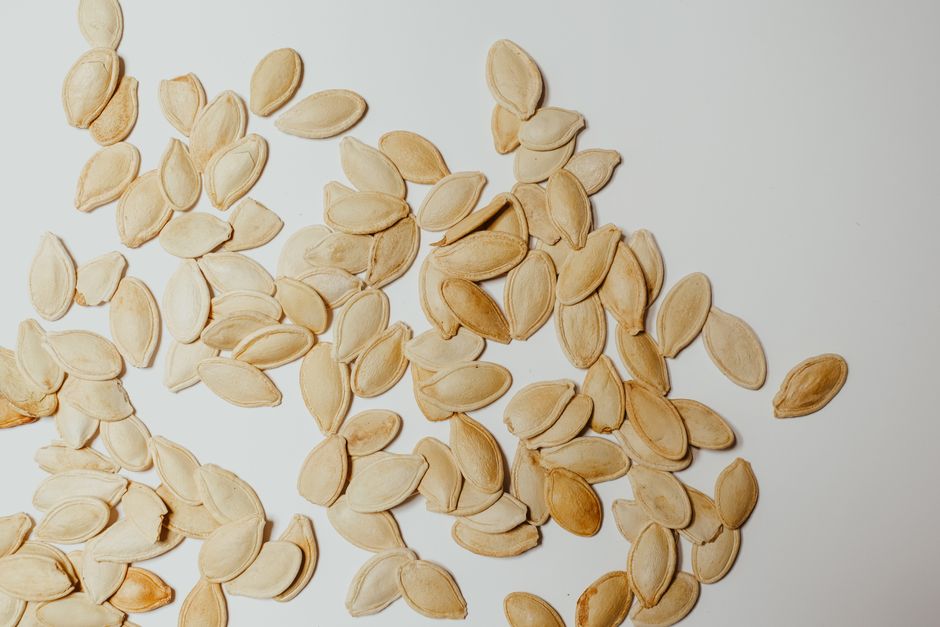
Two practical points are worth knowing. First, the 320 mg figure applies to the oil itself, not to a proprietary blend where pumpkin seed oil is one of several ingredients. Read the supplement facts panel to confirm how much actual oil you are getting. Second, whole pumpkin seeds and pumpkin seed oil are not interchangeable. The seeds contain zinc, magnesium, and other nutrients; the oil is mostly fat. The clinical research on prostate symptoms used the oil.
A clarification that gets lost in marketing: most of the human evidence is on pumpkin seed oil and pumpkin seed extracts, and the studies are small. No major urology guideline lists pumpkin seed oil as a recommended therapy for BPH. That does not mean it is useless. It means the evidence is preliminary and the medical establishment has not endorsed it.
What Does The Research Actually Show?
The evidence is limited but not empty. A few small randomized trials and open-label studies have examined pumpkin seed oil in men with BPH, and some reported improvements in urinary flow and symptom scores compared with baseline or placebo. The trials were short, enrolled modest numbers of men, and used different preparations, which makes pooling the results difficult.
There is also research on pumpkin seed extract rather than the oil, including a trial in which men with BPH took a pumpkin seed preparation and reported fewer urinary symptoms than a placebo group. That is encouraging, but it is a different product from the oil sold in capsules, and one trial is not a foundation for strong claims.
What the research does not show is equally important. There is no reliable human evidence that pumpkin seed oil shrinks an enlarged prostate, lowers PSA, prevents prostate cancer, or treats prostate cancer. Some laboratory studies have looked at pumpkin seed compounds and prostate cells, but laboratory findings frequently fail to translate into human benefit. Biological plausibility is not the same as proven clinical effect.
The honest summary is this: some studies suggest modest symptom relief in men with mild BPH, the evidence is low to moderate quality at best, and larger and longer trials are needed. Anyone who tells you the science is settled is overselling.
How Does It Compare With Standard BPH Treatments?
Standard medical therapy for BPH has far stronger evidence. Alpha-blockers such as tamsulosin relax the muscle in the prostate and bladder neck and typically improve urinary flow within days to weeks. A class of drugs called 5-alpha-reductase inhibitors, including finasteride and dutasteride, gradually shrink the prostate over months and can reduce the risk of urinary retention and surgery in men with larger prostates. Combination therapy is used in some men. Each has side effects and tradeoffs that a clinician can explain.
Pumpkin seed oil has not been tested head-to-head against these medications in adequately powered trials. So the comparison is not “which works better” — that question has not been answered. The comparison is one of evidence strength, and standard medications have far more of it.
Where a supplement like pumpkin seed oil sometimes fits is in men with mild symptoms who want to try something before or alongside medication, or who cannot tolerate standard drugs. That is a conversation to have with a doctor, not a decision to make from a label. It is also not a substitute for evaluation. Urinary symptoms can come from BPH, but also from infection, bladder problems, medication side effects, or in some cases prostate cancer. Getting evaluated matters more than which supplement you choose.
Is Pumpkin Seed Oil Safe, And Who Should Avoid It?
Pumpkin seed oil is generally well tolerated in the doses studied. The most common complaints in trials were mild digestive upset such as nausea or loose stools. It is a food-derived oil, and serious adverse effects have not been a prominent finding in the research.
Caution is still warranted in a few situations:
- Bleeding risk. Pumpkin seed oil may have mild effects on platelet function in laboratory settings. Whether this matters clinically is uncertain. If you take blood thinners such as warfarin or apixaban, or have a bleeding disorder, or are scheduled for surgery, talk to your doctor before starting it.
- Prostate cancer treatment. Do not use supplements in place of or alongside cancer treatment without telling your oncology team. Interactions and effects on monitoring are not well studied.
- Allergy. Anyone with a known allergy to pumpkin seeds or related foods should avoid it.
- Pregnancy and breastfeeding. This is not a product for those groups, and no clinical guidelines address its use there.
One detail worth flagging: supplements are not tightly regulated for purity and dose accuracy in the way prescription drugs are. Independent testing has repeatedly found that some products contain less or more of the labeled ingredient than claimed. Choosing a product from a manufacturer that submits to third-party testing is a reasonable precaution, though it is not a guarantee.
What Else Should Men Know About Prostate Health?
Pumpkin seed oil is a small piece of a larger picture. Prostate health is shaped mostly by things that have nothing to do with supplements: age, genetics, and whether you get appropriate screening and evaluation. BPH is extremely common as men age — by their 60s and 70s, a majority of men have some degree of prostate enlargement, though not all have symptoms.
Lifestyle factors that support general health also tend to support urinary and prostate health. Regular physical activity, maintaining a healthy weight, and not smoking are associated with lower risk of bothersome urinary symptoms in observational studies. These are associations, not proven cause-and-effect, but they are low-risk and broadly beneficial.
If you have urinary symptoms — frequent urination, a weak stream, urgency, getting up at night, or difficulty starting — get evaluated. That evaluation typically includes a history, a physical exam, a urinalysis, and a discussion about PSA testing. PSA screening is a personal decision with real tradeoffs, and current guidance emphasizes shared decision-making with a clinician rather than routine testing for everyone.
One non-obvious point: many men start a prostate supplement because of nighttime urination, and assume it is all prostate. In reality, nighttime urination in men over 50 often has multiple contributors, including fluid intake timing, medications, sleep apnea, and bladder function. A supplement aimed at the prostate may miss the actual driver.
Frequently Asked Questions
How much pumpkin seed oil should I take for prostate health?
The dose used in small clinical trials is about 320 mg per day, often split into two doses taken with food. This is not an official recommendation from any major medical guideline, so confirm with your doctor before starting.
Can pumpkin seed oil shrink an enlarged prostate?
No reliable human evidence shows that pumpkin seed oil shrinks an enlarged prostate. Some studies suggest it may modestly ease urinary symptoms, but the trials are small and the evidence is limited.
How long does pumpkin seed oil take to work for prostate symptoms?
Trials that reported benefits generally ran for six to twelve weeks, so any effect would likely take at least that long to assess. There is no established timeline, and many men notice no change at all.
Is pumpkin seed oil a treatment for prostate cancer?
No. There is no evidence that pumpkin seed oil treats or prevents prostate cancer, and it should never replace evaluation or treatment by a doctor.
