
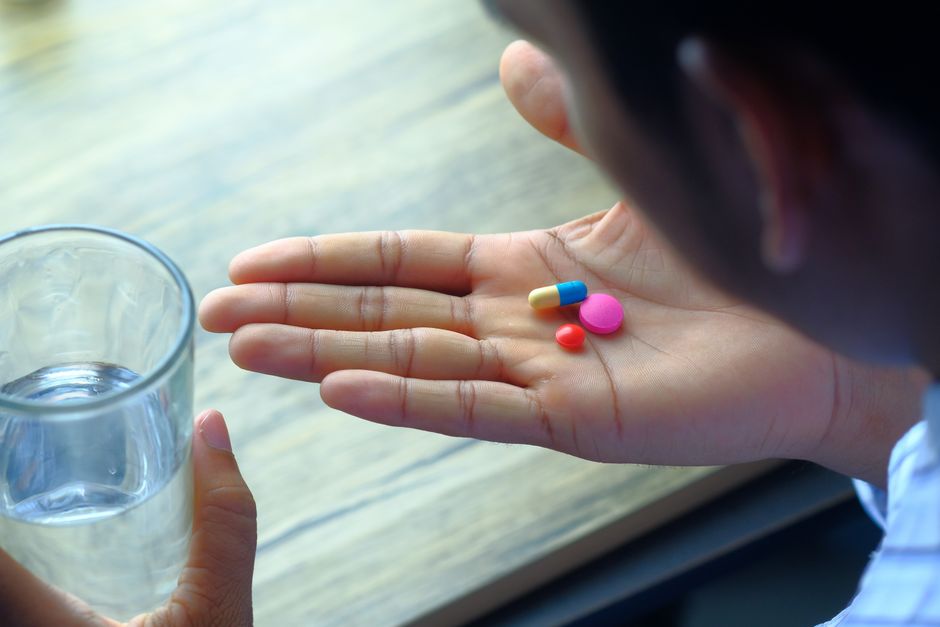
Methylene blue is a real medicine with real risks, and taking it orally without knowing the dose or the product grade can cause serious harm. The safest approach is to use it only under a clinician’s direction, at a dose they specify, from a product labeled for human use with a known concentration. Never swallow laboratory-grade or aquarium-grade methylene blue, and never guess the dose from a dropper bottle.
What Is Methylene Blue and Why Are People Taking It Orally?
Methylene blue is a synthetic dye that has been used as a medication for well over a century. It belongs to a class called phenothiazine dyes. In medicine, it is used intravenously for a small number of specific conditions, including methemoglobinemia, a rare blood disorder where hemoglobin cannot carry oxygen properly.
More recently, low-dose oral methylene blue has become popular online for supposed cognitive and energy benefits. That use is not the same as its established medical use. The evidence for cognitive enhancement in healthy people is early and limited, drawn mostly from small studies and animal research. No large human trials have confirmed that oral methylene blue improves memory or thinking in healthy adults.
This matters for safety. A drug that is well understood at prescription doses given by a clinician is not automatically safe when self-dosed from a bottle bought online.
How To Take Methylene Blue Orally Safely?
The safe path is narrow and specific: use pharmaceutical-grade methylene blue only, at a dose set by a clinician, and never combine it with certain antidepressants or other drugs without checking first. Everything else is guesswork with a real risk of harm.
Here is what safe oral use actually requires.
- Pharmaceutical grade only. Products sold for laboratory, industrial, or aquarium use are not tested for human ingestion and can contain impurities. Do not swallow them.
- A known concentration. Methylene blue is sold as a liquid, often as a 1% solution, and as tablets or capsules. A 1% solution contains 10 milligrams of methylene blue per milliliter. If you do not know the concentration, you cannot know the dose.
- A clinician-set dose. There is no official recommended oral dose for general wellness or cognitive enhancement. Doses used in clinical research vary, and the safe range depends on the person and the reason for use.
- No self-escalation. Taking more because a low dose “didn’t work” is how people run into trouble. Methylene blue has a real toxicity ceiling.
If a clinician has not given you a specific dose and product, the honest answer is that you do not have enough information to take it safely.
What Is the Difference Between Pharmaceutical and Non-Pharmaceutical Methylene Blue?
Pharmaceutical-grade methylene blue is manufactured and tested to a standard suitable for human use. The label should say it is for human consumption and list the exact concentration. Non-pharmaceutical grades are made for other purposes and are not held to the same purity standards.
This is not a small distinction. Laboratory and aquarium products can contain heavy metal contaminants and other impurities that are not screened for in products meant for tanks or experiments. The dye molecule itself is the same, but what else is in the bottle is not.
Some people assume that because the active ingredient is identical, any bottle will do. That reasoning fails on purity. The chemical identity of the main ingredient tells you nothing about what else is present.
What Are the Serious Risks of Oral Methylene Blue?
The most serious risk is a dangerous interaction with certain antidepressants. Methylene blue is a potent inhibitor of an enzyme called monoamine oxidase A, or MAO-A. Drugs that also affect this enzyme, or that raise serotonin, can combine with methylene blue to cause serotonin syndrome, a potentially life-threatening condition.
The drugs of greatest concern include:
- MAO inhibitors, such as phenelzine, tranylcypromine, and selegiline
- SSRI antidepressants, such as sertraline, fluoxetine, and escitalopram
- SNRI antidepressants, such as venlafaxine and duloxetine
- Other serotonergic drugs, including tramadol and triptans
This interaction is documented in the medical literature and in product labeling for methylene blue. It is not theoretical. Anyone taking one of these drugs should not use methylene blue without direct guidance from a prescriber who knows their full medication list.
Other risks include:
- Methemoglobinemia at high doses. The same condition methylene blue treats can be caused by taking too much of it. This is a dose-dependent effect.
- G6PD deficiency. People with this inherited enzyme deficiency are at higher risk of red blood cell damage from methylene blue. Many people do not know they have it.
- Kidney concerns. Methylene blue is cleared by the kidneys, and impaired kidney function can affect how the body handles it.
- Pregnancy and breastfeeding. Methylene blue is generally avoided in pregnancy, particularly in the first trimester, and safety during breastfeeding is not well established. No clinical guidelines support oral use in these groups.
Methylene blue also turns urine blue or green, and can interfere with certain medical tests and monitoring devices. Tell any clinician treating you that you are taking it.
What Dose Is Considered Safe, and Does One Exist?
There is no official recommended oral dose of methylene blue for general wellness, cognitive support, or energy. That is the plain truth. Doses used in clinical research vary widely, and none has been established as a standard for healthy adults.
This is different from methylene blue’s established medical uses. For methemoglobinemia, it is given intravenously at a specific dose determined by a clinician based on body weight and the severity of the condition. That is a controlled clinical setting, not self-dosing at home.
Because no standard oral wellness dose exists, any number you see online should be treated with suspicion. A dose that appears in one small study is not a recommendation, and it may not be safe for you. If you are considering oral methylene blue, the dose has to come from a clinician who knows your health history and medications.
Who Should Not Take Methylene Blue Orally?
Several groups should avoid oral methylene blue unless a clinician has specifically cleared it. The risks in these groups are well documented and not worth gambling on.
- Anyone taking an SSRI, SNRI, MAO inhibitor, or other serotonergic drug
- People with G6PD deficiency
- People with significant kidney impairment
- Pregnant or breastfeeding women
- Children, unless directed by a pediatric clinician for a specific medical reason
- Anyone with a known allergy to methylene blue or related dyes
If you are unsure whether you fall into one of these groups, that uncertainty is itself a reason to check with a clinician before taking anything.
Is Oral Methylene Blue Worth the Risk for Wellness?
The evidence does not yet support routine oral use for wellness in healthy people. Some early research suggests possible effects on brain energy metabolism, but the studies are small, the doses vary, and the results have not been confirmed in large human trials.
Weigh that against the real risks: drug interactions, dosing errors, contamination in non-pharmaceutical products, and effects in people with G6PD deficiency. For most healthy adults, the potential benefit is unproven and the potential harm is concrete.
None of this means methylene blue is useless. It is a legitimate medicine with important clinical uses. The question is whether self-dosing from an online bottle is a reasonable way to use it. On the current evidence, it is not a decision to make casually.
Frequently Asked Questions
Can you take methylene blue orally?
Yes, it can be taken by mouth, but only pharmaceutical-grade product at a dose set by a clinician. It is not a supplement to self-dose from a random bottle.
What happens if you take too much methylene blue?
High doses can cause methemoglobinemia, a condition where red blood cells cannot carry oxygen properly, along with other serious effects. This is why a clinician-set dose matters.
Can you take methylene blue with antidepressants?
Methylene blue can interact dangerously with SSRIs, SNRIs, and MAO inhibitors and raise the risk of serotonin syndrome. Do not combine them without direct guidance from your prescriber.
Is aquarium methylene blue safe to drink?
No. Aquarium and laboratory grades are not made or tested for human ingestion and may contain harmful impurities. Never swallow them.
