
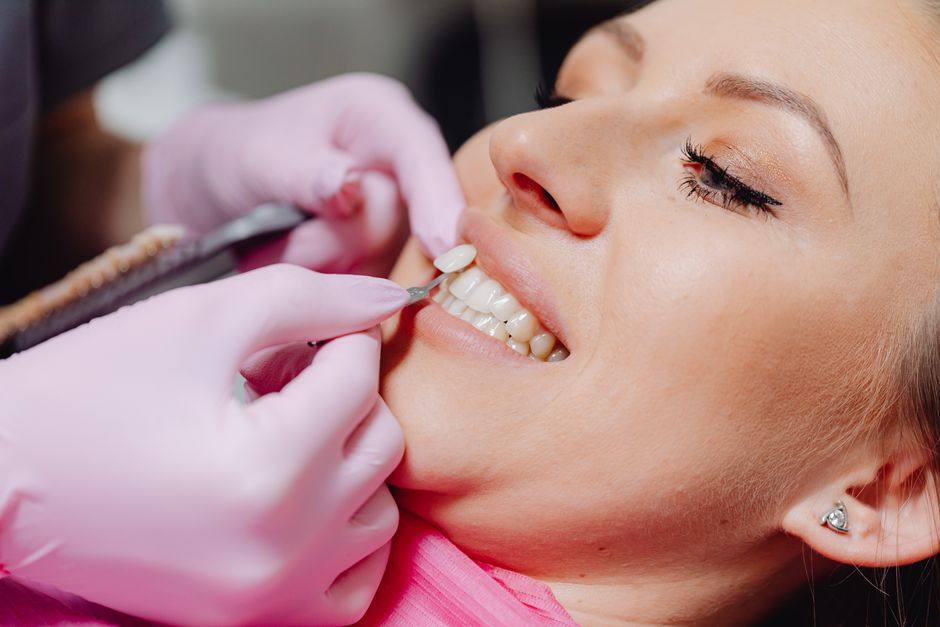
Dental veneers are thin shells bonded to the front of your teeth to change their shape, color, or length. Taking care of them means protecting the bond, keeping the edges clean, and avoiding habits that chip or stain the material. Good daily care and regular dental visits are what separate veneers that last a decade or more from ones that fail early.
Veneers are not indestructible, and they are not a substitute for healthy teeth underneath. What you do every day matters more than any single product. Here is what actually protects them, and what the marketing around “veneer care” gets wrong.
What Are Veneers Actually Made Of?
Most veneers today are made of either porcelain or a composite resin. The material matters because it shapes how you clean them and what can damage them.
Porcelain veneers are ceramic. They are harder, resist staining well, and hold their color over time. Composite resin veneers are made of a tooth-colored plastic material. They cost less but tend to stain more easily and may wear faster. Some dentists place composite veneers directly in the office in a single visit, while porcelain is usually made in a lab from an impression or scan of your teeth.
Here is a detail many people do not know. The tooth underneath a veneer is usually reduced slightly to make room for the shell. That means the natural tooth is permanently altered. A veneer is not a removable cover you can take off and go back to your original teeth. This is why the decision deserves real thought, and why protecting the veneer protects the tooth beneath it.
How Do You Clean Veneers Day To Day?
Brush twice a day with a soft-bristled toothbrush and a fluoride toothpaste that is not abrasive. Floss once a day, and pay attention to the gumline and the edges where the veneer meets the tooth.
The edge is where problems start. Plaque collects along the margin between the veneer and the gum, and that is where decay and gum inflammation begin. A soft brush and careful flossing do more for longevity than any special “veneer toothpaste.”
Be careful with abrasive toothpastes. Whitening and “stain-removal” toothpastes often contain rough particles that can dull the polished surface of a veneer over time. Porcelain resists staining, but it can lose its shine if scrubbed with abrasives. A plain fluoride toothpaste is usually the safer choice.
Electric toothbrushes are fine and can help with thorough cleaning, but use light pressure. Pressing hard does not clean better and can wear at the gumline.
What Habits Damage Veneers The Most?
Biting hard objects is the leading cause of chipped and cracked veneers. Ice, hard candy, unpopped popcorn kernels, and pens are common culprits. So is using your teeth as tools to open packages or tear tape.
Grinding and clenching your teeth at night is another major risk. The force of grinding can crack a veneer or weaken the bond. Many people grind without knowing it. If you wake with jaw soreness or your dentist notices wear patterns, a night guard can protect the veneers. This is one of the most useful preventive steps, and it is often overlooked.
Nail biting and chewing on pencils put repeated stress on the front teeth where veneers sit. These habits are worth breaking for the sake of the veneers and the teeth under them.
Can Veneers Stain, And What Should You Avoid?
Porcelain veneers resist staining well because the ceramic surface is smooth and non-porous. Composite resin veneers are more porous and can pick up color from foods and drinks over time.
Even porcelain is not fully immune. The cement line at the edge of the veneer can discolor if it is not kept clean. Coffee, tea, red wine, and dark berries can stain that margin and the natural tooth around it. This is less about the veneer surface and more about what collects at the edges.
Smoking stains both the veneer margins and the surrounding teeth. It also raises the risk of gum disease, which threatens the foundation the veneer sits on.
The evidence on how much specific foods stain porcelain is limited, and much of what you read online is not backed by controlled studies. The practical takeaway is simple. Keep the edges clean, and do not assume porcelain needs no care at all.
How Often Should You See A Dentist With Veneers?
Regular dental visits are part of veneer care, not separate from it. Most dentists recommend checkups and professional cleanings at intervals they set based on your individual risk, commonly every six months. Follow the schedule your dentist gives you.
During a cleaning, the hygienist can check the veneer margins, look for early chips, and check the health of the gums and the tooth beneath. Small problems at the edge are far easier to fix early. A loose or chipped veneer caught quickly may be repairable. Left alone, it can allow decay under the shell.
Tell your hygienist that you have veneers. Some cleaning instruments and polishing methods are adjusted for veneered teeth. This is a simple step that protects the surface.
Do You Need Special Products For Veneers?
No special product is required to maintain veneers. The basics — a soft brush, fluoride toothpaste, and floss — do most of the work.
Be skeptical of products marketed specifically for veneers. Many are ordinary oral care items in different packaging. No clinical evidence shows that a “veneer-specific” toothpaste extends the life of a veneer better than standard fluoride toothpaste.
Fluoride still matters. It protects the natural tooth around and beneath the veneer, and that tooth is what holds the veneer in place. A veneer on a decayed or failing tooth does not last.
What Should You Do If A Veneer Chips Or Comes Loose?
See your dentist promptly. A chipped or loose veneer exposes the tooth underneath, and that tooth can be sensitive or vulnerable to decay. Do not try to glue it back on yourself with household or over-the-counter adhesives.
In the meantime, avoid chewing on that side and keep the area clean. If the veneer comes off completely, keep it and bring it to your appointment. Sometimes it can be reattached, though not always.
Pain, a sharp edge, or a veneer that feels loose are all reasons to call rather than wait for a routine visit.
How Long Do Veneers Last?
Veneers can last many years, but how long varies widely with material, care, and individual habits. Porcelain veneers generally last longer than composite, and good hygiene and avoiding hard-object habits extend the life of either.
Manufacturers and clinics sometimes quote specific lifespans as if they were guaranteed. They are not. Actual durability depends on the bond, the health of the tooth, grinding habits, and daily care. Treat any single number you see advertised with caution.
The most reliable way to extend the life of veneers is unglamorous. Brush gently, floss the margins, avoid biting hard things, protect against grinding, and keep your dental appointments.
Frequently Asked Questions
Can I whiten my teeth if I have veneers?
Whitening products affect natural teeth but not porcelain veneers, so whitening can create a color mismatch between the veneer and your other teeth. Ask your dentist before using any whitening product.
Are veneers permanent?
Veneers are generally considered permanent because placing them usually requires removing some enamel from the tooth. That enamel does not grow back, so the tooth will always need a restoration.
Can I chew gum with veneers?
Chewing soft, sugar-free gum is usually fine, but sticky or hard gum can pull at the veneer edges or cause damage. Avoid anything very sticky or hard.
Do veneers get cavities?
The veneer itself cannot decay, but the natural tooth around and beneath it can. Decay at the margins is a real risk, which is why flossing and regular dental visits matter.
