
Caring for an elderly parent or spouse at home is one of the most common unpaid roles in America, and it is rarely planned for in advance. The core of safe home care comes down to four things: preventing falls, managing medications correctly, recognizing when a change in condition needs medical attention, and protecting the caregiver from burning out. Get those four right and most other problems become easier to handle.
How To Take Care Of Elderly At Home Safely: The Basics
Home is where most older adults say they want to stay, and most of them do. The work of keeping that safe falls mostly on family. That work is real, physical, and often invisible until something goes wrong.
Start by understanding what actually limits independence. In older adults, the biggest threats to living safely at home are falls, medication errors, missed or delayed treatment of infections and heart problems, poor nutrition, and social isolation. These are not abstract risks. They are the reasons many older adults end up in the hospital or move to a care facility.
A useful first step is a home safety walk-through. Look at the same rooms your parent uses every day and ask what could cause a fall or a medication mistake. That single exercise tends to surface more fixable problems than any general advice.
It also helps to know what your parent can still do independently. Assuming too little can speed up decline. Assuming too much can lead to injury. The honest middle ground is to observe, ask, and adjust as abilities change.
What Are The Biggest Fall Risks At Home?
Falls are the leading cause of injury-related hospitalization in older adults, and most falls happen at home. The reasons are usually a mix of environment and body changes, not one single cause.
Age-related changes that raise fall risk include weaker leg muscles, slower reflexes, reduced balance, vision changes, and foot problems. Medications are a major contributor too. Drugs that lower blood pressure, sedatives, and some antidepressants can cause dizziness or unsteadiness. So can taking several medications at once.
Common home hazards include loose rugs, cluttered walkways, poor lighting, cords across the floor, and bathroom surfaces that get slippery when wet. Stairs without a secure handrail on both sides are a frequent problem.
Practical changes that help:
- Remove or secure loose rugs, and clear walkways of clutter and cords.
- Add bright lighting in hallways, stairways, and the path to the bathroom at night.
- Install grab bars in the shower and next to the toilet, and use a non-slip mat.
- Put a sturdy handrail on both sides of every staircase.
- Keep frequently used items within easy reach so your parent does not need a step stool.
- Encourage well-fitting, non-slip shoes rather than socks or loose slippers.
Exercise that targets strength and balance is one of the few interventions with strong evidence behind it for reducing falls. Programs built around balance and leg strength are more effective than general walking alone. Ask a doctor or physical therapist which type fits your parent’s health.
An annual vision check matters too. Poor vision and outdated eyeglass prescriptions both raise fall risk.
Why Is Medication Management So Important?
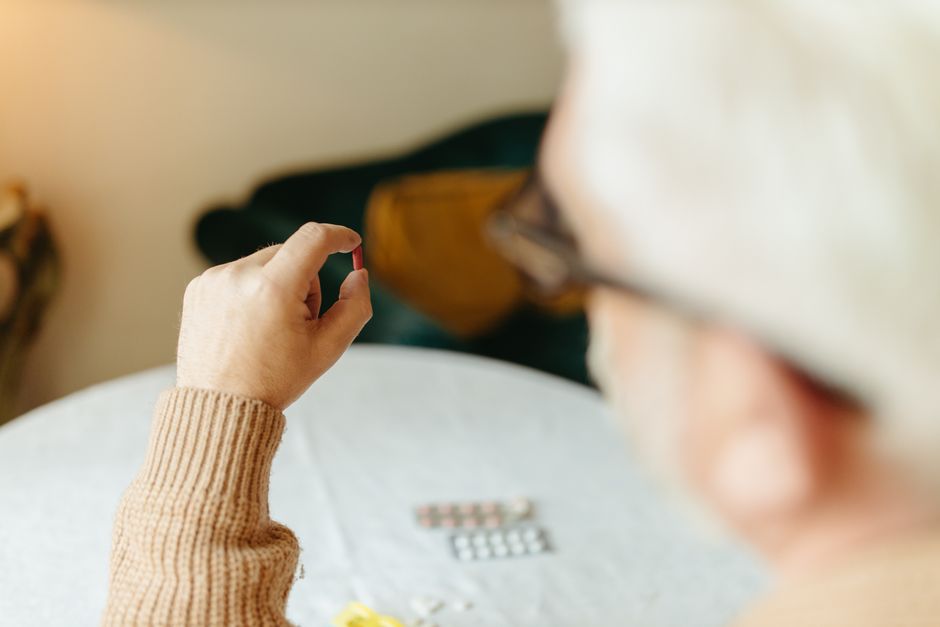
Medication problems are one of the most common and most preventable causes of hospital visits in older adults. The body handles drugs differently with age. The liver and kidneys clear medications more slowly, so the same dose can have a stronger or longer effect than it did years earlier.
Two specific risks stand out. The first is drug interactions, which become more likely as the number of medications rises. The second is “prescribing cascades,” where a side effect of one drug is treated with another drug instead of adjusting the first one. This is a well-recognized problem in geriatric medicine and worth asking about directly.
A few habits reduce risk:
- Keep one current list of every medication, including over-the-counter drugs and supplements, and bring it to every appointment.
- Use a pill organizer or a pharmacy blister pack if remembering doses is hard.
- Ask a pharmacist to review the full list for interactions. This is a free service at most pharmacies.
- Never crush or split pills unless a pharmacist confirms it is safe for that specific drug.
- Store medications where they are easy to reach but out of reach of children and pets.
If your parent has memory problems, direct supervision of medications is safer than reminders alone. Some families find that a locked dispenser or a daily check-in works well.





How Do You Know When Something Is A Medical Emergency?
Older adults often show illness differently than younger people. A serious infection or heart problem may not look dramatic at first. This is one of the most important things for a caregiver to understand.
Signs that warrant urgent medical attention include:
- New confusion or a sudden change in alertness, which can be the first sign of infection or a medication reaction.
- Chest pain, shortness of breath, or a racing or irregular heartbeat.
- Sudden weakness or numbness on one side of the body, trouble speaking, or a facial droop. These are stroke signs and require calling emergency services immediately.
- A fall with a head injury, especially if the person takes a blood thinner.
- Not eating or drinking, or signs of dehydration such as dark urine or dizziness on standing.
- A fever, or a low body temperature, which can signal serious illness in older adults.
Keep a written list of your parent’s conditions, medications, allergies, and doctors’ phone numbers in one place. In an emergency, that list saves time.
It also helps to know your parent’s baseline. If you know how they normally walk, talk, and think, you will notice small changes earlier. Small changes in an older adult can be the first sign of something serious.
What About Nutrition, Hydration, And Daily Routine?
Older adults often eat and drink less than they should, sometimes without anyone noticing. Appetite tends to decline with age, and thirst signals become weaker. That combination makes dehydration and poor nutrition easy to miss.
Signs to watch for include weight loss, loose clothing, dry mouth, and confusion. Some medications also reduce appetite or change how food tastes.
What tends to help:
- Offer fluids throughout the day, not just at meals.
- Keep easy-to-eat, nutrient-dense foods on hand, such as yogurt, eggs, and soft fruits.
- Eat meals together when possible. Social meals tend to be larger and more enjoyable.
- Watch for trouble chewing or swallowing, which can signal a problem worth a doctor’s evaluation.
A regular daily routine supports orientation and reduces anxiety, especially for people with memory problems. Consistent times for waking, meals, medications, and sleep help the body and mind stay settled.
How Do You Protect The Caregiver From Burnout?
Caregiver burnout is not a personal failing. It is a predictable result of sustained stress, and it affects the quality of care your parent receives. Ignoring it does not help anyone.
Warning signs include constant exhaustion, feeling irritable or resentful, trouble sleeping, and losing interest in things you used to enjoy. Physical problems like back pain from lifting are common too.
Steps that help:
- Ask for and accept help from family, friends, and community programs.
- Look into respite care, which gives short-term relief so you can rest.
- Use proper lifting techniques, or ask a professional about equipment to move your parent safely.
- Talk to a doctor about your own health. Caregivers often skip their own appointments.
- Join a caregiver support group, in person or online.
Some families find that a paid home aide for a few hours a week makes the difference between managing and falling apart. That is not a sign of failure. It is a practical way to keep care sustainable.
When Is Home Care No Longer Safe?
There is no single rule for when home care stops being the right choice. It depends on how much support your parent needs and how much you can realistically provide.
Situations that often signal it is time to reconsider include repeated falls, wandering or getting lost, missed medications despite reminders, and a decline that keeps landing your parent in the hospital. When safety cannot be maintained at home even with help, other options such as assisted living or a skilled nursing facility may offer better protection.
Talk with your parent’s doctor and, if helpful, a social worker or care manager. These conversations are hard, but they are better had before a crisis than during one.
Frequently Asked Questions
What is the most common cause of injury for elderly people at home?
Falls are the leading cause of injury-related hospitalization in older adults, and most happen at home. Reducing fall hazards and improving strength and balance are the most effective steps.
How can I tell if my elderly parent needs more help at home?
Watch for repeated falls, missed medications, weight loss, new confusion, or a decline that keeps leading to hospital visits. These signs suggest the current level of support is not enough.
Is it safe to leave an elderly person with dementia home alone?
It depends on the stage of dementia and the specific risks, such as wandering, stove use, or missed medications. A doctor or care manager can help assess whether being alone is safe.
How do I prevent medication mistakes for an elderly parent?
Keep one updated medication list, use a pill organizer or pharmacy blister pack, and have a pharmacist review everything for interactions. Direct supervision is safest when memory problems are present.
