
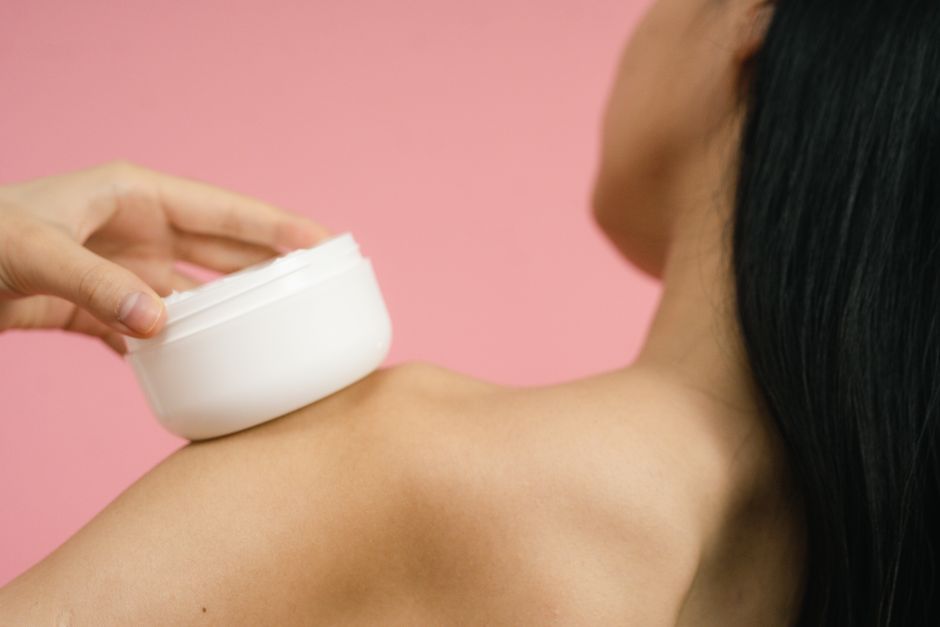
Dry skin happens when the outer layer of your skin loses water faster than it can hold onto it. The fix is not one expensive product — it is a short, consistent routine built on three steps: cleanse gently, moisturize while skin is still damp, and protect against water loss. Do this twice a day and most dry skin improves within a couple of weeks.
That is the whole idea. The details below explain why each step matters and which habits quietly make dry skin worse.
What Actually Causes Dry Skin?
Your skin has an outer barrier made of skin cells packed together with fats and oils. This barrier holds moisture in and keeps irritants out. When the barrier is weakened, water escapes from deeper layers and the surface turns rough, tight, and flaky.
Several things weaken that barrier:
- Weather. Cold air holds little moisture, and indoor heating dries it further. Dry skin is often worse in winter for this reason.
- Hot water and long showers. Hot water strips oils from the skin surface faster than warm water.
- Harsh soaps. Strong cleansers remove the skin’s natural oils along with dirt.
- Aging. Oil production and barrier repair slow with age, which is one reason dry skin becomes more common after 40.
- Genetics and skin conditions. Some people naturally have a weaker barrier. Conditions like eczema involve barrier problems plus inflammation.
- Medications and health conditions. Some prescription drugs, thyroid problems, and diabetes can contribute to dry skin.
One clarification worth making: dry skin and dehydrated skin are not the same thing. Dry skin lacks oil. Dehydrated skin lacks water. Most people dealing with flaking and tightness have dry skin, and the routine below targets that.
What Does A Simple Daily Routine For Dry Skin Look Like?
A workable routine has three steps in the morning and three at night. It takes about two minutes.
Morning:
- Rinse with lukewarm water. Many people with dry skin do not need a cleanser in the morning at all.
- Apply moisturizer to slightly damp skin.
- Apply sunscreen if you will be outdoors. Sun damage weakens the skin barrier over time.
Night:
- Cleanse with a gentle, fragrance-free cleanser and lukewarm water.
- Pat dry — do not rub — leaving skin slightly damp.
- Apply a richer moisturizer or ointment while the skin is still moist.
The damp-skin step is the one most people skip. Applying moisturizer within a few minutes of washing traps that surface water instead of letting it evaporate. It is a small change that makes a real difference.
Which Moisturizer Should You Choose?
Moisturizers fall into three broad groups. Knowing the difference helps you pick the right one for your skin.
| Type | What it does | Best for |
|---|---|---|
| Lotions | High water content, light feel | Mild dryness, daytime use |
| Creams | Balanced water and oil | Moderate dryness, most people |
| Ointments | Mostly oil, seals in moisture | Severe dryness, cracked skin, nighttime |
Look for ingredients that both add water and hold it in. Humectants like glycerin and hyaluronic acid draw water into the skin. Emollients like ceramides and fatty acids soften and fill gaps in the barrier. Occlusives like petrolatum and dimethicone sit on top and slow water loss.
Fragrance is the most common irritant in skin care. If your skin is dry and sensitive, choose products labeled fragrance-free rather than unscented — those are not the same claim. Fragrance-free means no added scent. Unscented can still contain masking fragrances.
Which Habits Make Dry Skin Worse?
Some daily habits undo the work your moisturizer is doing. Cutting them often helps more than adding another product.
- Long, hot showers. Keep showers short and warm, not hot.
- Harsh body washes and bar soaps. These strip oils. Gentle, creamy cleansers are kinder.
- Rubbing with a towel. Pat dry instead. Friction damages the barrier.
- Skipping moisturizer on the body. Arms, legs, and hands need it too, not just the face.
- Alcohol-based hand sanitizers used constantly. They dry the hands. Follow with hand cream.
- Low indoor humidity. A humidifier can help in winter, though the evidence for skin benefits is modest.
One non-obvious point: exfoliating dry skin usually makes it worse. Scrubs and acids remove surface cells, but when the barrier is already compromised, that leaves skin more exposed and more irritated. Hold off on exfoliation until the dryness settles.
When Is Dry Skin A Sign Of Something Else?
Most dry skin responds to a basic routine. But some cases point to a medical issue that needs a doctor’s attention.
See a healthcare provider if you notice:
- Skin that cracks, bleeds, or oozes
- Redness, swelling, or warmth that suggests infection
- Severe itching that disrupts sleep
- Dryness that does not improve after several weeks of consistent moisturizing
- Dry skin along with fatigue, weight changes, or other whole-body symptoms
Conditions like eczema, psoriasis, and thyroid disorders can all cause dry, flaky skin. A doctor can tell the difference. This article is not a substitute for that evaluation.
How Long Until You See A Difference?
Most people notice improvement within one to two weeks of a consistent routine. The barrier repairs gradually, so the change is often subtle at first.
If your skin is still dry after a few weeks of gentle cleansing and regular moisturizing, the issue may be the products, the frequency, or an underlying condition. Try a thicker moisturizer or an ointment at night before assuming nothing works. And if it still does not improve, that is a good reason to check with a doctor rather than keep buying new products.
The routine itself is not complicated. Consistency matters more than cost. An inexpensive fragrance-free cream applied twice a day will usually outperform an expensive product used once.
Frequently Asked Questions
How often should I moisturize dry skin?
Twice a day is typical — once in the morning and once at night. Apply within a few minutes of washing while skin is still damp to trap moisture.
Is Vaseline good for dry skin?
Petrolatum, the main ingredient in Vaseline, is an effective occlusive that slows water loss from the skin. It works best applied to damp skin to seal in moisture rather than as a standalone treatment.
Does drinking more water fix dry skin?
Staying hydrated supports overall health, but research does not show that drinking extra water directly fixes dry skin. The problem is usually a weakened barrier, not a lack of water in your body.
Should I stop using hot water on my face?
Yes — hot water strips oils from the skin faster than warm water. Use lukewarm water for cleansing and keep showers short.
