
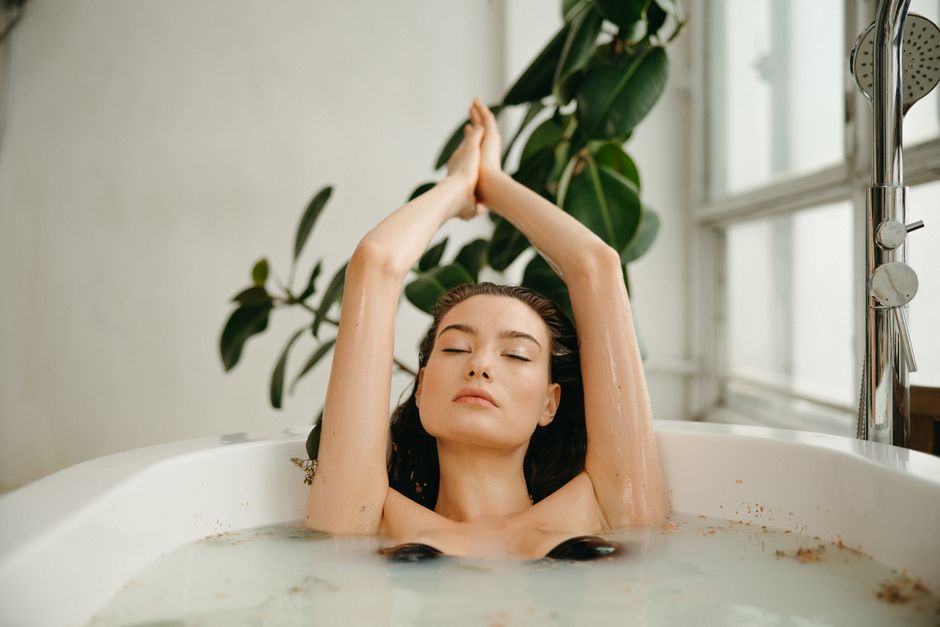
Taking a bath sounds simple, but doing it well takes a little thought. The basics are water temperature, time, and what you add to the water. Most people do not realize that a bath that is too hot can do more harm than good. This guide walks through the evidence on how to take a bath that is safe, comfortable, and genuinely beneficial for your body.
What Is the Right Bath Temperature?
The ideal bath temperature is between 98°F and 104°F (36.7°C to 40°C). This range feels warm without stressing your body.
Water above 104°F raises your core body temperature quickly. That can cause dizziness, nausea, or fainting, especially if you stay in longer than 15 minutes. Water below 98°F feels cool and may not give you the relaxation you are looking for.
Test the water with your elbow or wrist before getting in. Your hands are less sensitive to heat than other parts of your body. If the water feels hot on your forearm, it is too hot for a full soak.
Some people prefer cooler baths for specific purposes. An athlete might use a cold bath for muscle recovery, but that is a different practice entirely. For a standard relaxing bath, stick to the warm range.
How Long Should You Stay in the Bath?
Most research points to 10 to 20 minutes as the sweet spot. This gives your muscles time to relax without drying out your skin or overworking your heart.
Staying in longer than 20 minutes pulls natural oils from your skin. Your skin barrier can weaken, leading to dryness and irritation. This is especially true if you have eczema or sensitive skin.
Longer baths also increase the risk of overheating. Your blood vessels widen to release heat, which drops your blood pressure. Some people feel lightheaded when they stand up after a long soak.
Set a timer if you lose track of time. A 15-minute bath is enough to relax your muscles and quiet your mind.
What Should You Add to the Bath?
Plain warm water is perfectly fine. But certain additives have real evidence behind them.
Epsom salt, which is magnesium sulfate, dissolves easily in warm water. Some research suggests magnesium can be absorbed through the skin, though studies are mixed on how much actually gets in. Many people report less muscle soreness after an Epsom salt bath. The evidence for this is limited, so treat it as a personal comfort choice rather than a proven treatment.
Oatmeal is one of the most studied bath additives. Colloidal oatmeal has been shown to calm itchy, irritated skin. It is particularly helpful for conditions like eczema. You can buy colloidal oatmeal products or grind plain oats finely at home. Make sure the oats are ground into a fine powder so they disperse in the water rather than clumping.
Baking soda can soften water and may help with skin irritation. Add about half a cup to a standard tub. No strong evidence supports it for serious skin conditions, but it is generally safe for most people.
Essential oils are popular but require caution. Lavender oil has some evidence for promoting relaxation and better sleep. However, essential oils are potent. Never pour them directly into the water undiluted. Mix a few drops with a carrier oil like jojoba or coconut oil first. Some oils can irritate skin or cause allergic reactions.
Skip bath bombs with artificial dyes and heavy fragrances if you have sensitive skin. They often contain ingredients that can trigger irritation.



What Should You Avoid in a Bath?
Very hot water is the biggest mistake people make. Water that is too hot can burn your skin even if it does not feel painful at first. It also strips your skin of moisture faster than warm water.
Avoid harsh soaps and bubble baths with strong fragrances. These products can disrupt your skin’s natural pH balance. Over time, this leads to dryness and irritation.
Do not add bath oils if you are prone to urinary tract infections or are a woman. Oils can trap bacteria and increase the risk of infection. The evidence here is not definitive, but many clinicians advise caution.
Avoid bathing immediately after a heavy meal. Digestion diverts blood flow to your stomach. Adding the heat of a bath diverts blood to your skin. This combination can cause nausea or cramping in some people.
How Do You Take a Safe Bath?
Getting in and out of a bathtub is a common source of injury, especially for adults over 50. Falls in the bathroom account for a significant number of emergency room visits each year.
Use a non-slip mat inside the tub. Install a grab bar on the wall if you have any balance concerns. Sit on the edge of the tub and swing your legs in slowly rather than stepping directly into the water.
If you have heart disease, high blood pressure, or are pregnant, check with your doctor before taking hot baths. Heat stress can affect blood pressure and heart rate. Pregnant women should avoid water above 100°F in the first trimester because of potential risks to fetal development.
Keep the bathroom door unlocked. If you feel faint or unwell, you want someone to be able to reach you. Drink a glass of water before getting in to stay hydrated.
Should You Shower After a Bath?
You do not need to shower after a bath, but you should rinse off if you used additives. Epsom salt and oatmeal can leave a residue on your skin that feels sticky when dry.
If you used plain water, pat yourself dry with a towel instead of rubbing. Rubbing removes more of your skin’s natural moisture. Apply moisturizer within three minutes of drying to lock in hydration. This is one of the most effective ways to keep your skin soft after bathing.
A quick cool rinse before getting out can help close your pores and make the transition to room temperature easier. This is optional and not supported by strong evidence, but many people find it refreshing.
How Do You Take a Bath for Better Sleep?
Bathing one to two hours before bed can improve sleep quality. The reason is not the warmth itself but the cooling that follows.
When you sit in warm water, your body temperature rises. When you get out, your body rapidly cools down. This drop in core temperature signals your brain that it is time to sleep. Research has consistently found this temperature drop helps people fall asleep faster.
For sleep purposes, keep the water around 100°F to 102°F. Stay in for about 15 minutes. Then get out, dry off, and let your body cool naturally. Going straight to bed while still warm may not work as well because your body has not had the chance to cool down.
Adding lavender essential oil to a bedtime bath may enhance the effect. Some studies suggest lavender promotes relaxation and improves sleep quality, though results vary.
What About Bathing With Skin Conditions?
If you have eczema or psoriasis, bathing can help or hurt depending on how you do it.
Use lukewarm water rather than hot water. Hot water triggers inflammation and worsens itching. Limit your bath to 10 minutes. Add colloidal oatmeal to calm irritated skin.
After the bath, gently pat your skin dry. Apply your prescribed moisturizer or medication within three minutes while your skin is still damp. This helps trap moisture in the skin barrier.
If you have an open wound, a skin infection, or recently had surgery, do not take a bath. Soaking in water can introduce bacteria and delay healing. Showering is safer in these cases.
Frequently Asked Questions
How often should you take a bath?
Bathing two to three times per week is enough for most adults. Daily baths can dry out your skin, especially if you use hot water or harsh soaps.
Is a hot bath or warm bath better?
A warm bath between 98°F and 104°F is safer and more effective for relaxation. Hot baths above 104°F increase the risk of dizziness, skin damage, and overheating.
Can you take a bath while pregnant?
Warm baths are generally safe during pregnancy, but water should stay below 100°F. Avoid hot tubs and very hot water, especially in the first trimester, and ask your doctor for specific guidance.
Should you wash your hair in the bath?
You can wash your hair in the bath, but sitting in soapy water afterward can irritate your skin. Rinse your hair thoroughly and consider showering briefly if you used shampoo or conditioner.
