
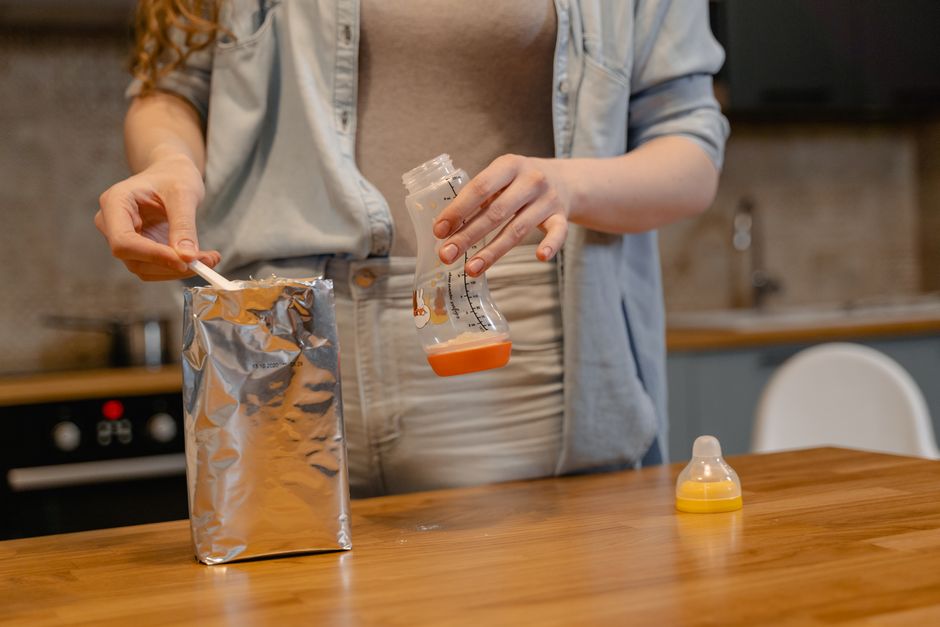
Switching your baby’s formula can feel stressful, but with a gradual plan most babies adjust well. The safest way is to mix the old and new formulas together over 5 to 7 days, slowly increasing the amount of new formula. Start with one part new formula to three parts old for two days, then half and half, then three parts new to one part old, and finally all new. This slow transition gives your baby’s digestive system time to adapt. If your baby has a medical reason to switch immediately, such as a confirmed allergy, follow your pediatrician’s instructions for a direct switch.
Why Might You Need To Switch Baby Formula?
Parents switch formulas for many reasons. The most common one is digestive trouble. If your baby is gassy, fussy after feeds, or has unusual stools, the current formula may not be a good match. Other reasons include a suspected milk allergy, the need for a specialized formula like hypoallergenic or soy, or simply a change in what is available or affordable. Some families switch when their baby moves from newborn to older infant stages and needs different nutrition. Whatever the reason, the decision should be made with your pediatrician’s input, especially if your baby has health concerns.
When Is The Right Time To Switch?
There is no single right time. For many babies, a switch works best when they are healthy and not currently dealing with an illness or teething discomfort. A calm period reduces the chance that a digestive upset gets blamed on the new formula when it might be from something else. If your baby is experiencing clear symptoms like blood in stool, vomiting, or severe rash, do not wait — talk to your doctor immediately. For less urgent issues, choose a time when you can closely monitor your baby for a few days. Avoid switching right before a big trip or during a change in childcare.
How To Switch Baby Formula Safely And Smoothly
The standard method is a gradual transition. This gives your baby’s digestive bacteria time to adjust to the new proteins, carbohydrates, and fats. Here is a typical schedule that most pediatricians recommend:
- Days 1–2: Mix 25% new formula with 75% old formula.
- Days 3–4: Use a 50/50 mix of old and new.
- Days 5–6: Mix 75% new with 25% old.
- Day 7 onward: Use 100% new formula.
Prepare each bottle exactly as usual — use the same water and follow the same mixing instructions for each formula brand. Do not combine powders from different containers ahead of time; mix them fresh per bottle. Keep a simple log of which bottles your baby took and any reactions. This helps you and your doctor spot problems early. Some babies do fine with a faster 3-day transition. Others may need a full 10 days if they are sensitive. Watch your baby, not the calendar.





What Signs Should You Watch For During A Formula Switch
It is normal for a baby to have slightly looser stools or a bit more gas during the first day or two. The gut is adjusting. But some signs warrant a call to your pediatrician. Watch for these:
- Diarrhea that lasts more than 48 hours
- Blood or mucus in the stool
- Vomiting (not just normal spit-up)
- Excessive crying or arching of the back during feeds
- A rash, especially one that looks like hives
- Unusual fussiness that does not improve
If your baby shows any of these, go back to the previous ratio or stop the switch and call your doctor. Also monitor wet diapers — your baby should still have at least 6 wet diapers per day. A decrease in wet diapers can signal dehydration.
How To Handle A Cold Turkey Switch
Some situations require a direct switch without a gradual transition. A confirmed milk protein allergy that causes severe symptoms is one example. Another is when the old formula is no longer available or has been recalled. In these cases, follow your pediatrician’s instructions exactly. Expect that the baby may have a few days of digestive upset, such as gas or loose stools, because the gut has no time to adapt. Keep the doctor informed, and make sure your baby stays well hydrated. If the new formula is clearly causing more problems, stop and seek medical advice — do not push through severe reactions.
Tips For Choosing A New Formula
Talk to your pediatrician before picking a new formula. For most healthy babies, a standard cow’s milk formula works well. If your baby has a suspected sensitivity, your doctor may recommend a partially hydrolyzed formula (often labeled “gentle”) or a fully hydrolyzed hypoallergenic formula for true allergies. Soy formulas are another option for babies who cannot tolerate cow’s milk protein, but they are not recommended for preterm infants without a doctor’s guidance. Organic formulas are nutritionally similar to conventional ones — they are not superior for digestion. Avoid formulas marketed with vague health claims like “for brain development” unless your pediatrician confirms a specific need. The FDA regulates infant formula strictly, so all standard formulas meet basic nutritional requirements. Choosing a reputable brand you can consistently find is practical.
Once you have chosen a formula, check that it is appropriate for your baby’s age. Most formulas are labeled from birth to 12 months. Some are designed for older infants with added iron or different protein levels. Do not use toddler formulas for infants under 12 months without a pediatrician’s direction — they have different nutrient profiles.
What If Your Baby Refuses The New Formula
Some babies notice the taste or smell difference. If your baby turns away from the bottle or drinks less during the transition, try going back to a lower ratio of new formula for an extra day. You can also offer the formula at a slightly warmer temperature (but not hot) — some babies prefer it that way. Do not add sweeteners, cereal, or juice to the bottle to make it more appealing. This can cause choking risks and disrupt nutrition. Be patient. Most babies accept the new formula within a week if the transition is slow. If refusal continues beyond 7 days, or if your baby starts losing weight, contact your pediatrician.
During the switch, it helps to keep other aspects of the feeding routine the same — the same bottle type, same nipple flow, same feeding positions. Consistency reduces the number of variables your baby has to adjust to at once.
Frequently Asked Questions
How long does it take for a baby to adjust to a new formula?
Most babies adjust within 5 to 7 days when the switch is done gradually. Some sensitive babies may need up to 10 days.
Can I switch formula cold turkey?
Cold turkey switching is not recommended unless your pediatrician tells you to do it for a medical reason like a confirmed allergy. It can cause more digestive upset.
What are the signs of formula intolerance?
Signs include vomiting, diarrhea with blood or mucus, a rash (especially hives), excessive gas, and unusual fussiness. Contact your doctor if you see these.
Should I add cereal or other foods to make the switch easier?
No. Adding cereal, juice, or sugar to formula can be a choking hazard and may cause digestive problems. Never mix anything into formula without your pediatrician’s approval.
