
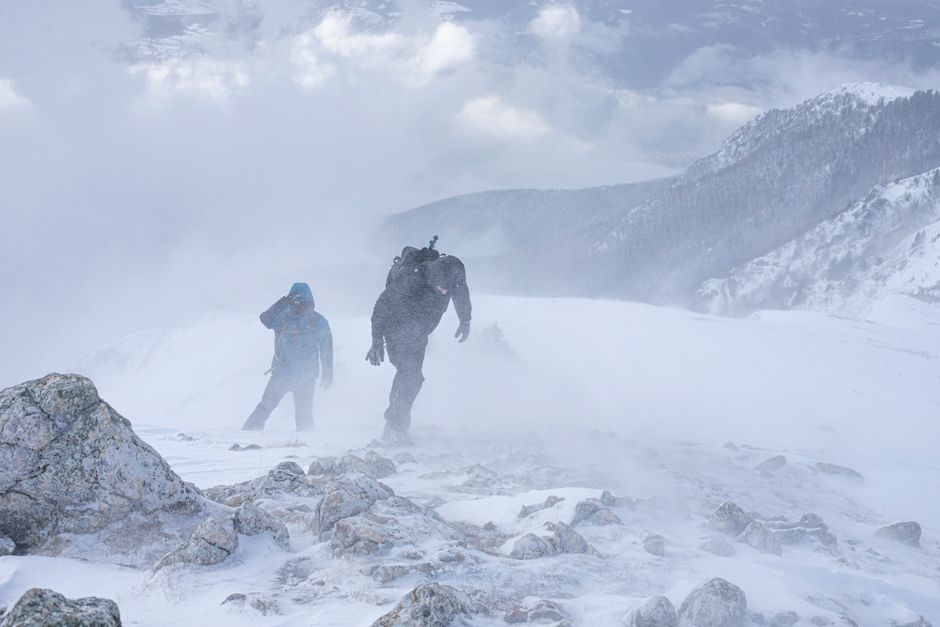
Extreme cold can kill in under an hour, and the most dangerous part is that it dulls the very judgment you need to save yourself. The core rules of survival are simple: get out of the wind and wet, insulate yourself from the ground, warm the center of the body before the hands and feet, and never rub or apply direct heat to frozen tissue. Knowing the difference between hypothermia and frostbite — and treating each correctly — is what separates a close call from a catastrophe.
How To Survive Extreme Cold Hypothermia To Frostbite?
Survival in extreme cold comes down to protecting your core temperature and keeping your skin from freezing. Your body loses heat in five ways: radiation, conduction, convection, evaporation, and respiration. In a cold emergency, conduction and convection are the biggest threats. Sitting on snow or ice pulls heat out of you far faster than cold air alone. Wind strips away the thin layer of warmed air next to your skin.
The body defends its core temperature in a predictable order. Blood vessels in the skin and limbs narrow to shunt warm blood toward the heart, lungs, and brain. That is why fingers, toes, ears, and the nose are the first parts to freeze. It is also why someone can have frostbitten fingers and a normal core temperature at the same time.
Two problems can develop at once. Hypothermia is a drop in core body temperature. Frostbite is freezing of tissue. They often happen together, but each needs different handling. The single most important rule: treat the cold body as a whole, not just the frozen part.
What Is the Difference Between Hypothermia and Frostbite?
Hypothermia is a whole-body problem. Frostbite is a localized one. Core body temperature normally sits around 98.6°F (37°C). Hypothermia is generally defined as a core temperature below 95°F (35°C). As it falls, the body’s systems slow down.
Frostbite happens when skin and the tissue beneath it actually freeze. Ice crystals form inside cells and blood vessels, damaging them directly and cutting off blood flow. Frostnip is the milder, reversible stage — skin turns pale or red, feels cold, and may tingle or sting, but the tissue has not frozen.
These two conditions can be confused because both cause numbness and pale skin. The key difference is scope. Hypothermia affects thinking, movement, and consciousness. Frostbite affects a specific area, usually the extremities. A person can be fully alert and still have serious frostbite. A person can have warm hands and be in dangerous hypothermia.
What Are the Warning Signs of Hypothermia?
Hypothermia symptoms progress as core temperature drops, and the early signs are easy to miss because they feel like ordinary cold discomfort.
- Mild (roughly 90–95°F / 32–35°C): Shivering, cold and pale skin, numbness, clumsiness, and trouble doing simple tasks with the hands.
- Moderate (roughly 82–90°F / 28–32°C): Intense shivering that may stop, confusion, slurred speech, poor coordination, and drowsiness.
- Severe (below roughly 82°F / 28°C): Shivering stops, skin turns blue or waxy, breathing and pulse slow and may be hard to detect, and the person becomes unconscious.
The stage where shivering stops is a trap. A person who has stopped shivering may look calmer, and bystanders sometimes assume they are improving. In reality, that is a sign the body can no longer generate heat and the situation has become critical.
Confusion is another danger. Someone in moderate hypothermia may insist they are fine, refuse help, or try to walk away. This is not stubbornness — it is the cold affecting the brain. Do not argue. Act.





What Are the Warning Signs of Frostbite?
Frostbite develops in stages, and the early stage is reversible if you act quickly.
- Frostnip: Skin is pale, red, or numb. It feels cold and may tingle. No tissue is frozen yet.
- Superficial frostbite: Skin looks white or grayish-yellow and feels firm or waxy. The tissue beneath stays soft. You may feel stinging, burning, or aching as it rewarms.
- Deep frostbite: Skin is white, gray, or bluish and feels hard and wooden. Blisters may form, sometimes with clear or bloody fluid. The area is numb and may not be painful at all.
A common misunderstanding: numbness in deep frostbite is not a good sign. When frozen tissue stops hurting, it means the nerves have stopped working. Pain returning during rewarming is generally a sign that tissue is recovering.
What Should You Do First in a Cold Emergency?
Move the person out of the wind and wet immediately, then handle the core before the limbs. The order matters because warming a frozen limb while the body is still cold can push cold blood back toward the heart and worsen the situation.
- Get out of the elements. Shelter from wind, rain, and snow. Even a windbreak helps.
- Insulate from the ground. Place something between the person and the cold surface — a pack, branches, a mat, extra clothing.
- Remove wet clothing. Cut it off if needed rather than forcing movement of frozen limbs.
- Cover and insulate. Wrap the person in dry layers, a sleeping bag, or blankets. Cover the head and neck.
- Apply gentle heat to the core. Warm the chest, neck, and groin area with skin-to-skin contact or warm (not hot) packs wrapped in cloth.
- Handle the person gently. In severe hypothermia, rough movement can trigger dangerous heart rhythms. Keep them still and horizontal.
- Call for emergency help. Severe hypothermia and deep frostbite are medical emergencies.
Do not give alcohol. It dilates blood vessels in the skin, which increases heat loss and can make the situation worse. Do not give caffeine either. If the person is alert and can swallow, warm sweet drinks can help, but never give anything by mouth to someone who is confused or drowsy.
Can You Rewarm Frostbite at Home?
Rewarming frostbite is possible in the field, but only if there is no risk of refreezing and no chance of getting to medical care soon. This is a judgment call that matters a great deal.
If you rewarm a frozen body part and it freezes again, the damage is worse than if you had left it frozen until you reached help. So if you are still hours from safety and cannot keep the area warm, it may be better to protect it, pad it, and keep walking.
When you do rewarm, use warm water, not hot. The accepted range is roughly 98–102°F (37–39°C) — about the temperature of a comfortably warm bath. Water hotter than that can burn skin that cannot feel temperature. Soak the area for about 20 to 30 minutes until it turns red and soft. Expect significant pain during rewarming, which is normal.
Never do these things:
- Do not rub or massage frozen tissue. Ice crystals in the tissue can cause further damage.
- Do not use direct dry heat — heating pads, fires, stoves, or hair dryers. Numb skin burns easily.
- Do not walk on frostbitten feet or use frostbitten hands if you can avoid it.
- Do not break blisters.
After rewarming, the area should not be used for walking or heavy work. Keep it clean, dry, and wrapped loosely. Get medical evaluation.
How Do You Prevent Cold Injuries Before They Start?
Prevention is far more effective than treatment, and most cold injuries are preventable with planning.
- Dress in layers. A moisture-wicking base layer, an insulating middle layer, and a windproof and waterproof outer shell.
- Keep dry. Wet clothing loses most of its insulating value. Change out of wet layers quickly.
- Protect extremities. Mittens keep hands warmer than gloves. Wear a hat, and cover the face and neck in wind.
- Stay fueled and hydrated. Your body needs calories and fluids to generate heat. Eat and drink regularly.
- Watch the time. Take breaks in shelter to warm up before you feel numb.
- Use the buddy system. Check each other’s faces, hands, and feet. You often cannot see or feel your own early frostbite.
- Know your risk factors. Fatigue, dehydration, alcohol use, smoking, and certain medical conditions that affect circulation increase risk.
One detail people miss: the risk does not end when you go inside. Someone who has been cold for hours can continue to drop in core temperature even after reaching warmth, a pattern called afterdrop. Keep warming the core and watch for worsening confusion or drowsiness.
When Is It a Medical Emergency?
Call emergency services if the person is confused, drowsy, unconscious, has stopped shivering, or has skin that is hard, waxy, and white or blue. Severe hypothermia and deep frostbite both require hospital care.
In the hospital, treatment for severe hypothermia may include active internal rewarming, such as warm intravenous fluids or warmed air. Frostbite may be treated with careful rewarming, wound care, and in some cases medications to improve blood flow. Some severe cases need surgery, but often not immediately — doctors frequently wait to see how much tissue recovers before deciding.
Do not assume someone is dead because they feel cold and stiff and you cannot find a pulse. In severe hypothermia, breathing and heart rate can slow so much they are nearly undetectable. Keep warming the person and keep emergency responders coming. The saying in cold-weather medicine is that a person is not dead until they are warm and dead.
Frequently Asked Questions
What is the first thing you should do for someone with hypothermia?
Move them out of the wind and wet, remove wet clothing, and insulate them from the ground while warming the core of the body first. Call for emergency help if they are confused, drowsy, or have stopped shivering.
Can you rub frostbitten skin to warm it up?
No. Rubbing or massaging frozen tissue can cause further damage from ice crystals. Rewarm gently with warm water around 98–102°F (37–39°C) instead.
Why is it dangerous if a person stops shivering in the cold?
Shivering is the body’s main way of generating heat, so when it stops, the body can no longer warm itself and core temperature is likely falling fast. This signals severe hypothermia and a medical emergency.
Should you rewarm frostbite if you are still far from help?
Usually no. If the tissue refreezes after rewarming, the damage is worse, so it is often better to protect and pad the area until you reach medical care.
