
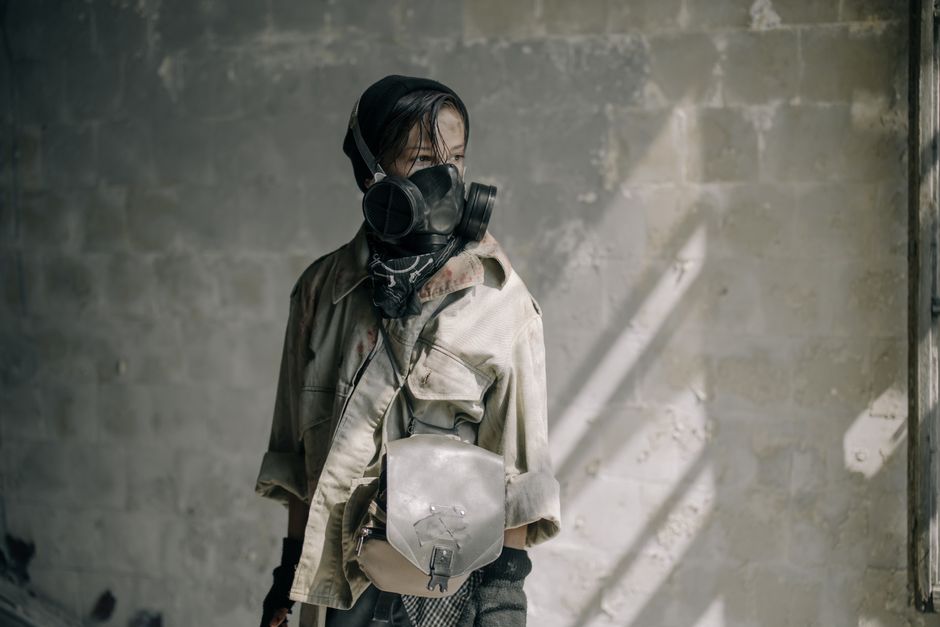
There is no realistic way to survive a full nuclear apocalypse, meaning a global exchange that collapses food, water, and medical systems everywhere. But if you are dealing with a single nuclear detonation or fallout drifting toward your area, public health and emergency guidance offers clear steps. The priorities are simple: avoid the blast, shelter from radiation, and stay put long enough for the most dangerous particles to decay.
What Actually Happens When a Nuclear Weapon Detonates?
A nuclear explosion releases energy in several forms almost at once. Most of the immediate deaths and injuries come from the blast wave, extreme heat, and the flash of light, not from radiation. People far enough away to survive those effects face a different threat: radioactive fallout.
The blast creates a shockwave that can flatten buildings and turn debris into flying projectiles. A flash of intense light follows, hot enough to cause flash burns on exposed skin and damage eyes. The thermal pulse can start fires across a wide area. Radiation is released immediately, and then radioactive material gets pulled up into the atmosphere and falls back to the ground, sometimes over hundreds of miles downwind.
That falling material is fallout. It emits radiation, and the amount of exposure depends on how close you are to the detonation, how much time has passed, and whether you are indoors or out. Fallout is most dangerous in the first hours and days because the most intense radioactive particles decay fastest.
How Do You Survive the First Minutes After a Blast?
The first minutes decide most outcomes. If you see a sudden bright flash, do not look at it. Turn away, cover your eyes, and get behind something solid. The light itself can blind you at distance.
Get inside the nearest building immediately. A basement, a central room with no windows, or an interior hallway is better than an exterior room. Put as much mass and distance between you and the outside as you can. Concrete, brick, and earth block radiation more effectively than wood or glass.
Once inside, close windows and doors, turn off fans and heating or cooling systems that pull outside air in, and seal gaps with tape and plastic if you have them. Move to the lowest floor or basement. Stay away from exterior walls and windows.
If you are caught outside, get inside as fast as possible. If you cannot, lie flat and cover your head and neck until the blast wave passes. Then find shelter.
How Long Should You Stay Sheltered From Fallout?
Stay inside for at least 24 hours unless officials tell you to evacuate. This is the core recommendation from emergency management agencies, and it is grounded in how fallout decays. The most intense radioactivity drops sharply in the first day.
Radiation exposure is measured in units called grays or sieverts, and the risk depends on total dose and duration. Fallout intensity falls quickly at first. The general rule taught in radiation protection is that exposure dose drops by roughly a factor of ten for every sevenfold increase in time after the detonation. That means the first hours are far more dangerous than the same period a day later.
If you have a basement, stay there. If not, use an interior room. Bring pets inside. Do not go outside to look around, and do not leave to check on property. The people most likely to be harmed by fallout are those who go outside too early.
Listen for official instructions by radio, phone alerts, or emergency broadcasts. Evacuation orders may come later, when radiation levels have dropped and safe routes are known. Follow them when they come.
How Do You Protect Yourself From Radioactive Dust?
Radioactive particles behave like fine dust. They settle on skin, hair, clothing, and surfaces, and they can be inhaled or swallowed. The goal is to keep them off and out of your body.
If you were outside during fallout, remove your outer clothing before entering your clean shelter space. Place it in a plastic bag and seal it, away from where you are staying. Shower with lukewarm water and soap if you can, and wash your hair. Do not scrub hard enough to break the skin. If you cannot shower, wipe exposed skin with a damp cloth.
Cover your nose and mouth with a mask, cloth, or towel if dust is present. Keep food and water covered and sealed. Do not eat or drink anything that was left uncovered outdoors.
Some guidance also recommends taking potassium iodide tablets only when officials specifically direct it. These tablets protect the thyroid gland from radioactive iodine, but they do not protect against other types of radiation. They are not a general anti-radiation pill, and taking them without direction can cause harm, especially for people with thyroid conditions. Follow official instructions rather than self-dosing.
What Supplies Matter Most in a Radiation Emergency?
The most valuable supplies are the ones that let you stay sheltered and hydrated without going outside. Water comes first. Store enough for several days, and keep it sealed.
- Bottled water and sealed food that does not need cooking
- A battery-powered or hand-crank radio for official updates
- Flashlights and extra batteries
- A first aid kit and any prescription medicines you take regularly
- Dust masks, plastic sheeting, and tape for sealing rooms
- Phone chargers and a backup power source
- Blankets and warm clothing
You do not need a military-grade bunker to improve your odds. A sealed interior room in a sturdy building offers meaningful protection. The key is reducing the radiation dose you receive, and time, distance, and shielding are the three tools that do that.
What About Food, Water, and Long-Term Survival?
In a single-event scenario with functioning authorities, the main risks are short-term: radiation exposure, contaminated water, and lack of medical care. In a true global collapse, the picture changes. Large-scale nuclear war could disrupt agriculture, trade, and healthcare for years, and no individual preparation fully solves that.
Sealed food and bottled water are safe to consume. Fresh produce, open water sources, and food left outdoors may be contaminated and should be avoided until officials say otherwise. Rain can carry radioactive particles, so avoid drinking rainwater or collecting it during and after an event.
Long-term survival depends on restoring clean water, safe food, and medical care, which in a real disaster means relying on coordinated response. Individual supplies buy time. They do not replace functioning systems.
How To Survive A Nuclear Apocalypse Key Steps
The steps that matter most are the ones that reduce your radiation dose and keep you out of the blast zone. They are not complicated, but they require acting fast and staying put.
- Get inside immediately after a flash or warning, ideally into a basement or interior room
- Stay away from windows and exterior walls
- Seal the room and turn off ventilation that draws in outside air
- Remove contaminated clothing and wash exposed skin if you were outdoors
- Stay sheltered for at least 24 hours unless told to evacuate
- Follow official instructions for evacuation, water, and any medication
- Keep a radio and supplies ready so you do not need to go outside
The single most common mistake is leaving shelter too soon. Radiation levels fall fast in the first day, and waiting that time out is what protects people who survive the initial blast.
Frequently Asked Questions
How long do you need to stay inside after a nuclear blast?
At least 24 hours, and longer if officials say so. Fallout is most intense in the first day and drops sharply after that.
Does potassium iodide protect you from all radiation?
No. It only helps protect the thyroid from radioactive iodine, and only when officials direct its use. It does not shield against other types of radiation.
Can you survive a nuclear blast if you are outside?
Survival depends on distance from the detonation and the blast effects. If you are far enough to avoid the blast and heat, getting inside quickly to escape fallout greatly improves your odds.
Is it safe to drink rainwater after a nuclear event?
No. Rain can carry radioactive particles, so avoid drinking or collecting rainwater until officials confirm it is safe.
