

Suppressing breast milk comes down to two things: removing the signals that tell your body to keep making it, and managing the fullness while your supply drops. Fewer feeds or less pumping tells your breasts to produce less. Cold, support, and anti-inflammatory pain relief manage the discomfort in the meantime. Most people can stop milk production this way over days to a few weeks. If you are doing it suddenly, or you have signs of infection, medical guidance matters.
There is one thing worth saying up front. “Naturally” does not automatically mean “gently.” A slow, planned wind-down is easier on your body than an abrupt stop. Sudden weaning raises the risk of plugged ducts and mastitis. So the safest natural method is usually the gradual one.
How To Suppress Breast Milk Safely And Naturally
Milk production runs on supply and demand. When milk is removed from the breast, the body responds by making more. When it is not removed, production falls. This is the whole engine behind every method below.
The hormone prolactin drives milk synthesis. Frequent emptying keeps prolactin signaling active. Stretch receptors in the breast also send feedback that affects production. Less emptying means less stimulation and less milk over time. That feedback loop is well established.
So the natural approach is to reduce demand in steps, not all at once. Drop one feed or pump session every few days. Shorten sessions rather than stopping cold. Wear a supportive bra, use cold packs between feeds, and take an over-the-counter anti-inflammatory pain reliever if you can take one safely. These reduce swelling and discomfort without telling your body to make more milk.
How long it takes varies. Some people dry up in about a week. Others take several weeks, especially if they were producing a large supply. There is no single timeline that fits everyone.
Why Does Engorgement Happen When You Stop Breastfeeding?
Engorgement is what happens when milk builds up faster than it is removed. The breasts feel hard, full, and tender. Blood flow and swelling around the milk ducts add to the pressure.
It is a normal part of reducing supply. It usually eases as production drops. The tricky part is that severe engorgement can lead to problems if it is not managed.
Cold helps here. Apply cold packs for short periods between feeds. Cold reduces blood flow and swelling, which eases pressure. Some people find chilled cabbage leaves soothing. The evidence for cabbage leaves is mostly anecdotal, though it is widely used and generally harmless. It is not a proven treatment.
What you should avoid is heat on a full, engorged breast right before you are trying to reduce supply. Heat can increase blood flow and trigger a stronger let-down, which works against you. A warm shower before a planned feed is fine if you are still weaning gradually. Once you are actively trying to dry up, cold is the better choice.
Should You Pump Or Hand-Express While Drying Up?
Express only enough to relieve pressure, not to empty the breast. This is the key distinction. Full emptying signals the body to refill. Partial relief takes the edge off without ramping production back up.
Hand-expression is often gentler than a pump for this purpose. A pump tends to remove more milk, which is the opposite of what you want. If you use a pump, keep sessions short and stop before the breast feels empty.
Some people worry that any expression will prolong the process. It can, if you empty fully. But going long stretches with a painfully full breast raises the risk of plugged ducts. So the goal is a middle path: relieve, do not drain.


What Are the Warning Signs of Mastitis?
Mastitis is inflammation of the breast tissue, sometimes with a bacterial infection. It is the main complication to watch for when you stop breastfeeding, especially if you stop quickly.
Watch for these signs:
- A red, warm, painful area on one breast, often wedge-shaped
- Flu-like symptoms such as fever, chills, aching, or fatigue
- Breast pain that gets worse rather than better
- A firm, tender lump that does not clear with gentle expression
Fever and flu-like symptoms together with a red, painful breast are reasons to contact a clinician promptly. Mastitis can usually be treated, and early care matters. Do not try to push through it on your own.
A plugged duct is a milder problem. It is a tender lump without fever. Gentle expression, cold packs, and loosening tight bras often help. If it does not improve within a day or two, or if fever develops, get it checked.
Do Foods and Herbs Really Help Dry Up Milk?
This is where honesty matters most. No food or herb has strong clinical evidence that it reliably suppresses milk production in humans.
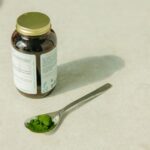
Some traditional remedies are widely used. Sage is the most common. It is often taken as a tea or used as a compress. Small studies and a lot of anecdotal reports suggest sage may reduce supply, but the evidence is limited. It has not been confirmed in large human trials.
Parsley and peppermint are also traditional options. The same caveat applies. These are generally considered low-risk in normal food amounts. Concentrated supplements and strong herbal preparations are a different matter and should be discussed with a clinician, especially if you take other medications or have health conditions.
Here is the non-obvious point. Many people reach for herbs when the real driver of supply is stimulation. If you are still feeding or pumping frequently, no herb will override that signal. Reducing stimulation does the work. Herbs, at best, may support the process.
Be cautious with any product marketed as a “milk suppression” supplement. No regulatory standard confirms these work, and their contents can vary. Treat bold claims with skepticism.
What About Medication to Stop Milk Production?
Prescription medication exists for suppressing lactation. It is used in specific situations, such as after a stillbirth or when a medical reason makes stopping necessary. It is not a routine first choice for ordinary weaning.
These drugs affect hormones and can have side effects. Whether they are appropriate depends on your situation and health history. That is a conversation for a clinician, not a decision to make from an article. For most people winding down breastfeeding, gradual reduction and comfort measures are enough.
When Should You Get Medical Help?
Contact a healthcare provider if you develop fever, chills, or flu-like symptoms with a red, painful breast. These point to possible mastitis and need prompt attention.
Also seek help if a lump does not improve, if pain is severe, or if you notice blood or pus. If you are stopping milk for medical reasons, or if you have a history of breast surgery or other breast conditions, talk to a clinician before you start.
Some people experience low mood or emotional ups and downs when they stop breastfeeding. Hormone shifts during weaning can affect mood. If sadness is intense or lasts more than a couple of weeks, tell your provider. This is a real and recognized part of the process for some people, not something to dismiss.
Frequently Asked Questions
How long does it take to dry up breast milk?
It varies widely, from about a week to several weeks depending on your supply and how gradually you reduce feeding. Slower weaning usually means a smoother, less uncomfortable drop.
Does cabbage help dry up breast milk?
Chilled cabbage leaves are widely used to ease engorgement discomfort, but there is no strong clinical evidence they reduce milk production. They are generally harmless and may feel soothing.
Should I pump when my breasts are engorged?
Express only enough to relieve pressure, not to empty the breast. Full emptying signals your body to make more milk, which slows the process.
Can I stop breastfeeding suddenly?
You can, but abrupt stopping raises the risk of engorgement, plugged ducts, and mastitis. A gradual reduction over days to weeks is generally easier and safer for most people.
