
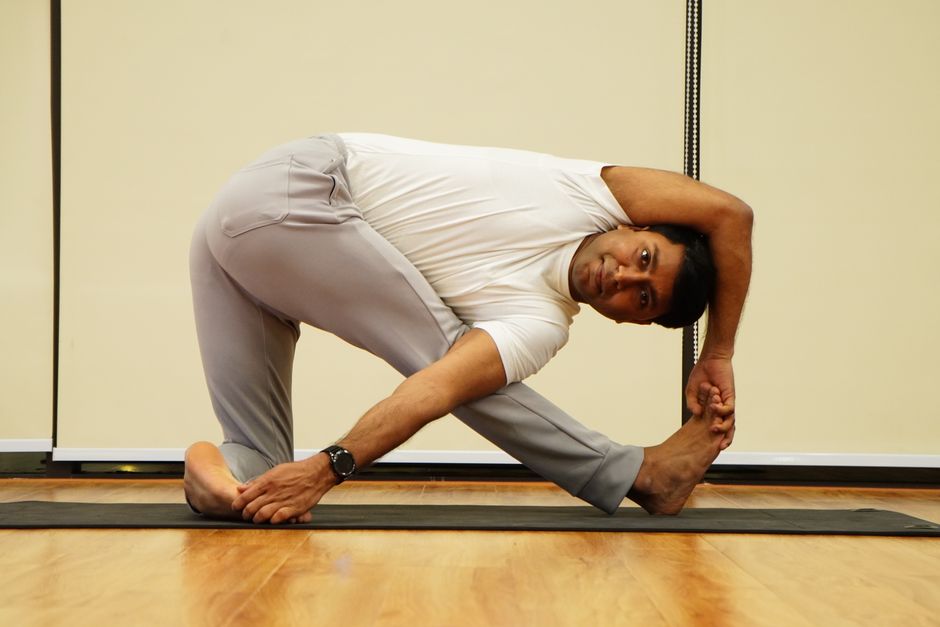
Stretching your upper thigh is about more than just touching your toes. The upper thigh includes the quadriceps at the front, the hamstrings at the back, and the adductors on the inside. Stretching the right way means moving slowly, breathing, and never forcing a joint past its natural range. A good stretch should feel like a gentle pull, not a sharp pain. If it hurts sharply, you have gone too far.
What Muscles Make Up Your Upper Thigh?
Your upper thigh has three main muscle groups. Each one needs a different stretch. The quadriceps run down the front of your thigh and help straighten your knee. The hamstrings run down the back and help bend your knee. The adductors, or inner thigh muscles, pull your leg toward your body’s midline.
These muscles attach to your pelvis at the top. That means a tight upper thigh can affect your hips and lower back. Stretching these muscles regularly can improve flexibility and reduce stiffness, especially if you sit for long periods.
How To Stretch Your Upper Thigh The Right Way?
The safest way to stretch your upper thigh is to warm up first. A short walk or a few minutes of light movement increases blood flow to the muscles. Cold muscles do not stretch well and are more likely to tear.
Hold each stretch for 20 to 30 seconds. Breathe normally and relax into the position. Do not bounce. Bouncing triggers a reflex in the muscle that makes it tighten instead of lengthen. Repeat each stretch two to three times on each side.
Quadriceps Stretch: Front of the Thigh
Stand next to a wall or chair for balance. Bend one knee and grab your ankle behind you. Pull your heel toward your buttock until you feel a stretch down the front of your thigh. Keep your knees close together and your standing leg slightly bent.
Do not pull your heel too far. If your knee hurts or you feel pinching in your hip, ease off. People with knee problems should use a gentler version. Lie on your side with your bottom leg bent for support, then pull your top heel toward your buttock.
A common mistake is arching your lower back during this stretch. Tuck your pelvis under slightly. This targets the quadriceps instead of putting strain on your spine.





Hamstring Stretch: Back of the Thigh
The hamstring stretch is often done wrong. Many people bend forward and round their back, which pulls on the spine rather than the thigh. The correct way is to keep your back straight and hinge at the hips.
Sit on the floor with one leg straight and the other foot against the inner thigh of the straight leg. Hinge forward from your hips, keeping your chest lifted. You should feel the stretch along the back of your straight leg. Stop when your back starts to round.
Another option is standing with one heel on a low step or chair. Keep your leg straight and hinge forward from the hips. Keep both hips facing forward. Do not turn your body to the side.
Adductor Stretch: Inner Thigh
Sit on the floor with the soles of your feet together and your knees out to the sides. Hold your ankles and gently press your knees toward the floor. You should feel a stretch along the inside of your thighs. Keep your back straight and do not round forward.
If this position is too intense, sit with your legs out wide instead. Place your hands on the floor in front of you and walk them forward while keeping your back flat. Press your knees down gently if you want a deeper stretch.
For a standing version, take a wide stance and shift your weight to one side. Bend the knee on the side you are shifting toward and keep the other leg straight. You will feel the stretch along the inner thigh of the straight leg.
How Long Should You Hold a Stretch?
Research on stretching shows that holding a stretch for 20 to 30 seconds is effective for improving flexibility. Holding longer than 60 seconds does not add much benefit for most people. Static stretching, where you hold a position, is best done after a workout or after warming up.
Some research suggests that long static stretching before heavy exercise may temporarily reduce muscle power. If you are about to sprint or lift heavy weights, save the deep stretching for afterward. A light dynamic warm-up, like leg swings, is better before intense activity.
Common Mistakes That Cause Injury
Stretching should never be painful. A sharp or stabbing pain means you are overstretching or possibly tearing the muscle. Back off immediately. Mild discomfort is normal, but pain is not.
Do not hold your breath while stretching. Holding your breath increases muscle tension. Breathe out as you ease into the stretch and breathe in as you hold the position.
Do not compare yourself to others. Flexibility varies widely from person to person. Age, genetics, and activity level all play a role. What is a normal stretch for one person may be too much for another.
One less obvious mistake is stretching a muscle that is already injured. If you feel a pulling sensation that does not fade, or if you have swelling or bruising, stop stretching and see a healthcare professional. Stretching a torn muscle makes the injury worse.
When To Stretch and When Not To
Stretching is most beneficial when your muscles are warm. A light five-minute warm-up before stretching makes the muscle tissue more pliable. Stretching first thing in the morning before your body warms up can feel stiff and uncomfortable.
After exercise is a good time to stretch. Your muscles are warm and more receptive to lengthening. Stretching after a workout can also help reduce the feeling of tightness the next day, though it does not prevent all muscle soreness.
If you have a history of joint problems, herniated discs, or recent muscle tears, check with a doctor or physical therapist before starting a stretching routine. They can recommend specific stretches that are safe for your condition and tell you which ones to avoid.
Does Stretching Prevent Injuries?
The evidence on stretching and injury prevention is mixed. Some studies suggest that regular stretching reduces muscle strains. Other research finds little to no effect on injury rates. Stretching alone will not protect you from injury if you also have weak muscles or poor movement patterns.
Stretching does improve flexibility. And flexible muscles are less likely to feel tight during daily activities. But strength training is equally important. Strong muscles support your joints and handle sudden loads better than flexible but weak muscles.
A balanced routine includes both stretching and strengthening. If you stretch your hamstrings but never strengthen them, you may not see the full benefit. Consider adding exercises like squats, lunges, and leg curls to your routine.
Stretching for Specific Situations
If you sit at a desk all day, your hip flexors and quadriceps get tight. The standing quadriceps stretch is particularly helpful for you. Take a break every hour and do a quick stretch on each side.
Runners often have tight hamstrings and hip flexors. A regular stretching routine can help maintain range of motion, but it will not fix poor running form. Combine stretching with proper footwear and a gradual increase in mileage.
Older adults should be especially careful with balance during standing stretches. Use a wall or chair for support. Falling during a stretch can cause more harm than the tightness you are trying to relieve.
Frequently Asked Questions
How often should I stretch my upper thigh?
Stretching two to three times per week is enough to improve flexibility. Daily stretching is fine as long as you do not feel pain.
Can I stretch my upper thigh every day?
Yes, daily stretching is safe for most people when done gently. Skip stretching if a muscle feels injured or painful.
Why does my upper thigh feel tight even after stretching?
Chronic tightness can come from weak muscles, poor posture, or sitting too long. Stretching alone may not fix the problem if the underlying cause is weakness or inactivity.
Is it better to stretch before or after running?
Light dynamic movements are better before running, and static stretches are better after. Deep static stretching before a run may temporarily reduce power.
