
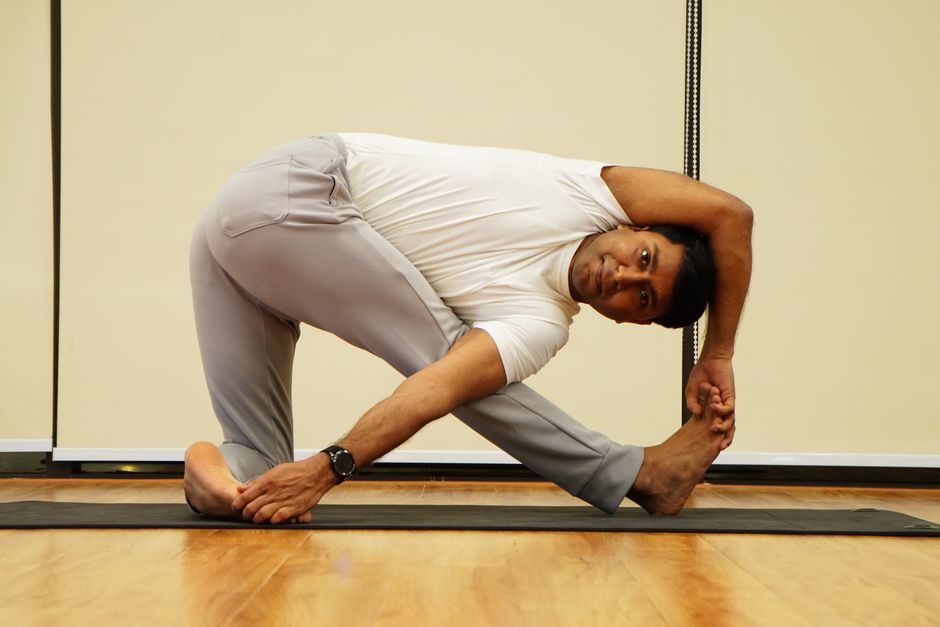
Tight glutes are a common problem, especially if you sit for long hours or train hard. The gluteus maximus is the largest muscle in your body, and when it gets tight, it can cause pain in your lower back, hips, and even down your leg. The most effective way to ease this tightness is a combination of targeted stretching and releasing the muscle with a massage ball or foam roller. Stretching the gluteus maximus directly—by pulling your knee across your chest toward the opposite shoulder—is the fastest way to relieve that deep, achy feeling and restore normal movement.
Why Does the Gluteus Maximus Get Tight?
The gluteus maximus is a powerful extensor of the hip. It fires every time you stand up, climb stairs, or run. But most modern lifestyles keep this muscle in a shortened position for hours at a time.
Sitting is the biggest culprit. When you sit, your hips are flexed, and the gluteus maximus is relaxed and shortened. Over time, the muscle adapts to that position. It becomes less flexible and more prone to spasms. This is often called “dead butt syndrome,” though the medical term is gluteal amnesia.
Exercise can also cause tightness. Heavy squats, deadlifts, and sprints fatigue the gluteus maximus. Without proper recovery, the muscle stays contracted. This is different from the tightness caused by sitting—it is a muscle that is overworked and needs to relax, not just lengthen.
How To Stretch Gluteus Maximus And Ease Tightness: The Core Moves
The key to stretching the gluteus maximus is hip flexion combined with adduction—bringing the knee across your body. This directly lengthens the muscle fibers. Here are the most effective stretches you can do at home with no equipment.
The Figure-Four Stretch is the gold standard. Lie on your back with both knees bent and feet flat on the floor. Cross your right ankle over your left knee. Gently pull your left thigh toward your chest. You should feel a deep stretch in your right glute. Hold for 30 seconds and switch sides.
The Seated Twist is a great option for the office. Sit tall in a chair. Cross your right ankle over your left knee. Keep your back straight and gently lean forward from your hips. You will feel the stretch immediately in the right glute. Hold for 30 seconds, then switch.
The Supine Knee-to-Opposite-Shoulder Stretch is the most direct gluteus maximus stretch. Lie on your back. Pull your right knee across your body toward your left shoulder. Keep your opposite leg straight on the floor. Hold for 30 seconds. This isolates the gluteus maximus more than the figure-four because it eliminates the hip rotation that the piriformis often picks up.
Perform 2 to 3 rounds of each stretch per side. Hold each stretch for 30 seconds. Do not bounce. Bouncing triggers the stretch reflex, which makes the muscle contract harder.
Using a Massage Ball or Foam Roller for Deeper Release
Sometimes stretching alone is not enough. If the muscle is knotted or has trigger points, you need to apply direct pressure to release it. This is where a massage ball or foam roller comes in.
Sit on a massage ball placed under your glute. Find the most tender spot. Sit on that spot for 30 to 60 seconds while breathing deeply. The pressure should be uncomfortable but not sharp or painful. If it feels like a bruise being pressed, that is too much pressure. Back off and let the muscle adapt.
Move the ball slowly around the muscle. Spend 2 to 3 minutes per side. After releasing the tissue, follow up with a stretch. This combination—release then lengthen—is more effective than either alone.
Foam rollers work too, but they cover a larger area with less pressure. They are better for general relaxation than for hitting a specific knot. If you have a specific trigger point, a lacrosse ball or a dedicated massage ball will be more effective.





The Role of the Piriformis: A Common Confusion
Many people confuse the gluteus maximus with the piriformis. The piriformis is a smaller, deeper muscle that sits underneath the gluteus maximus. It also rotates the hip and is a common source of sciatica-like pain.
Stretches like the figure-four stretch both muscles. That is fine for general tightness. But if your pain is more in the center of the buttock and radiates down the back of your leg, the piriformis may be the primary issue. The gluteus maximus stretch will still help, but you may need to add a specific piriformis stretch.
To target the piriformis more directly, modify the figure-four. Lie on your back, cross your ankle over the opposite knee, and pull the thigh toward your chest. Now, rotate your leg slightly inward. This subtle change shifts the stretch from the large gluteus maximus to the deeper piriformis.
When Stretching Is Not Enough: Other Causes of Tightness
If you stretch consistently for two weeks and feel no improvement, something else may be going on. Gluteal tightness can be a symptom of a problem in another area.
Hip flexor tightness is a common contributor. When your hip flexors are tight, your pelvis tilts forward. This puts your gluteus maximus in a stretched position for long periods. The muscle gets tired and feels tight. Stretching the gluteus maximus alone will not fix this. You need to stretch the hip flexors on the front of your thigh.
Lumbar spine issues can also mimic gluteal tightness. A compressed nerve in the lower back can cause a deep ache in the buttock. If stretching makes your pain worse, or if you have numbness or tingling in your leg, stop stretching and see a healthcare provider. This is not a muscle problem—it is a nerve problem.
Sacral joint dysfunction is another possibility. The sacroiliac joint connects your spine to your pelvis. If it is stiff or inflamed, it can feel like gluteal tightness. A physical therapist can assess this and give you specific exercises to address it.
How to Prevent Gluteal Tightness From Returning
Stretching treats the symptom. To prevent the tightness from coming back, you need to address the cause.
If you sit all day, stand up every 30 to 45 minutes. Even a 30-second walk to the water cooler breaks the shortened position. Set a timer if you need to. This single habit does more to prevent gluteal tightness than any stretch.
Strengthening the glutes is also important. A weak gluteus maximus gets fatigued easily and feels tight. Glute bridges, hip thrusts, and clamshells are simple exercises you can do at home. Aim for 2 to 3 sessions per week. Focus on quality of movement, not weight. Squeeze the glute at the top of each rep.
If you lift weights, pay attention to your warm-up. A few minutes of glute activation exercises before squats or deadlifts can prevent the muscle from overworking. This is common practice among strength coaches and physical therapists.
How Long Until You Feel Relief?
Most people feel immediate relief after a good stretch session. The muscle relaxes, and the ache subsides. This relief is temporary, lasting a few hours to a day.
Long-term change takes longer. If you have been sitting for years, your muscle has adapted to that length. It will not become permanently flexible in a week. Consistent stretching and movement breaks over 4 to 6 weeks will produce measurable improvement in flexibility and comfort.
If you are stretching daily and still feel tight after two weeks, reassess your approach. Are you holding the stretch long enough? Are you releasing the tissue with a ball? Are you moving more during the day? One of these three pieces is likely missing.
Frequently Asked Questions
How often should I stretch my gluteus maximus?
Stretch daily if you sit for long hours or feel tightness. Two to three times per week is enough for maintenance once the tightness resolves.
Can tight glutes cause lower back pain?
Yes. A tight gluteus maximus pulls on the pelvis and can increase stress on the lower back. Stretching the glute often reduces or eliminates this type of back pain.
Is it better to use a foam roller or a massage ball for glutes?
A massage ball is better for targeting a specific knot or trigger point. A foam roller is better for general relaxation of the whole muscle area.
Should I stretch if my glute hurts when I stretch?
Mild discomfort is normal, but sharp pain is not. If stretching causes sharp pain or numbness, stop and consult a healthcare provider.
