
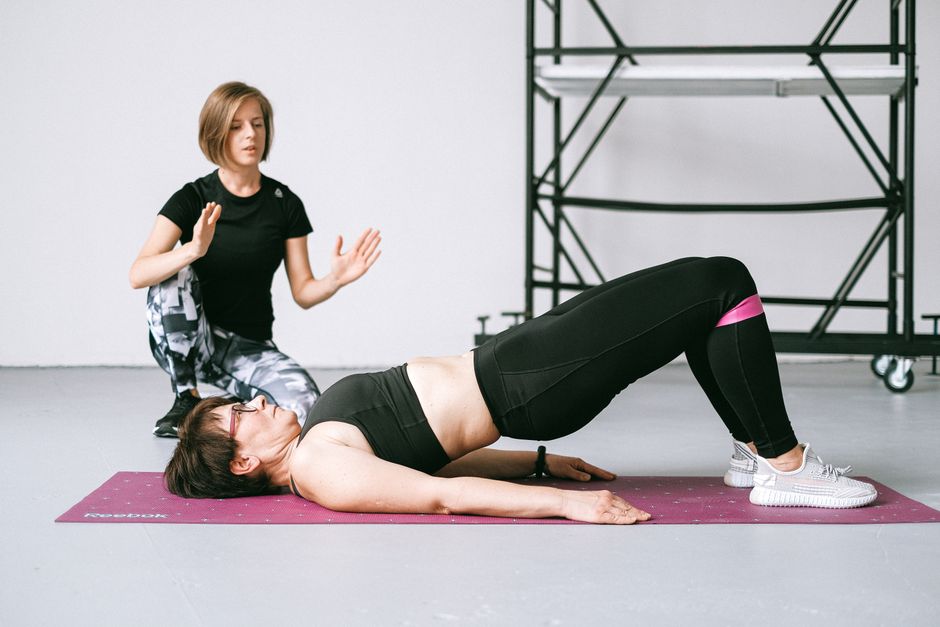
Kegel exercises are the most direct way for men to strengthen the pelvic floor, the hammock of muscle that supports the bladder and controls urination. Done correctly and consistently, these exercises can improve bladder control, though results typically take weeks to months rather than days. Most men who struggle with Kegels are not doing them wrong on purpose — they simply have never been taught how to find the right muscles.
What Are the Bladder Muscles, and Why Do They Weaken?
When people say “bladder muscles,” they usually mean the pelvic floor muscles, not the bladder itself. The bladder is a hollow organ that stores urine. The pelvic floor is a group of muscles that sit like a sling at the bottom of the pelvis, holding the bladder and bowel in place and helping control the release of urine.
These muscles work alongside the sphincters — ring-like muscles at the neck of the bladder — to keep urine in until you decide to let it out. When the pelvic floor weakens, that control becomes less reliable.
Several things can weaken the pelvic floor in men:
- Prostate surgery, especially radical prostatectomy, which can disrupt the nerves and muscles involved in continence
- An enlarged prostate (benign prostatic hyperplasia), which can change urine flow and put added strain on the pelvic floor
- Chronic straining from constipation
- A persistent cough, which repeatedly pushes down on the pelvic floor
- Being overweight, which adds constant pressure on the pelvic area
- Advancing age, which gradually reduces muscle mass and tone
One point worth clarifying: pelvic floor weakness and an overactive bladder are not the same problem. An overactive bladder involves involuntary bladder contractions. Pelvic floor exercises can help with both, but for different reasons. In overactive bladder, the exercises work partly by helping you suppress urgency signals.
How To Strengthen Bladder Muscles: Kegel Tips For Men
Before you can strengthen a muscle, you have to find it and contract it correctly. This is where most men get stuck. The pelvic floor is not a muscle you can see in a mirror, and it is easy to accidentally squeeze your abdomen, thighs, or buttocks instead.
Step 1: Identify the Right Muscle
The pelvic floor muscles are the ones you use to stop the flow of urine midstream or to hold back gas. To find them:
- Try to stop urine flow while urinating — but do this only once, as a test, not as a regular exercise. Doing Kegels while urinating can lead to incomplete emptying and urinary tract problems.
- Alternatively, imagine you are trying to hold back gas. The squeeze you feel is your pelvic floor contracting.
Once you feel that squeeze, you have found the right muscles. Your abdomen, thighs, and buttocks should stay relaxed.
Step 2: Do the Exercises
A common approach taught by physical therapists and continence specialists is:
- Squeeze the pelvic floor muscles and hold for about 3 to 5 seconds
- Relax completely for the same amount of time
- Repeat 10 times — this is one set
- Aim for 3 sets per day
As the muscles get stronger, you can gradually work up to holding each squeeze for 10 seconds. The exact numbers matter less than doing them correctly and consistently. Some clinicians recommend fewer repetitions done well over many repetitions done poorly.
There is also a second type of Kegel called a “quick flick.” These are short, one-second squeezes done in rapid succession. They train the muscles to respond quickly to sudden pressure, like a cough or a sneeze. Some clinicians include these alongside the longer holds.
Step 3: Breathe Normally
Holding your breath while squeezing is a common mistake. It raises pressure inside your abdomen, which pushes down on the pelvic floor and works against what you are trying to achieve. Keep breathing steadily throughout each squeeze.
How Long Does It Take To See Results?
Pelvic floor training is not fast. Most men who do the exercises correctly and consistently notice some improvement in bladder control within a few weeks to a few months. Full results often take longer.
The timeline varies widely depending on why the muscles weakened in the first place. Someone recovering from prostate surgery may have a different timeline than someone dealing with age-related weakening. There is no single number that applies to everyone, and anyone who promises a fixed result in a fixed time is overselling.
The key factor is consistency. Skipping days or doing the exercises sporadically slows progress. Daily practice, even in small amounts, tends to work better than occasional long sessions.





Common Mistakes That Sabotage Kegel Exercises
Doing Kegels incorrectly is common — and it can make things worse rather than better. Watch for these problems:
- Squeezing the wrong muscles. If your stomach, thighs, or buttocks tighten, you are not targeting the pelvic floor. Place a hand on your abdomen to check that it stays still.
- Bearing down instead of squeezing. Pushing down is the opposite of a Kegel and can strain the pelvic floor. The motion should feel like a lift, not a push.
- Holding your breath. Breathe normally throughout.
- Overdoing it. Like any muscle, the pelvic floor needs rest to recover. More is not always better, and excessive squeezing can cause soreness or muscle fatigue.
- Stopping too soon. Many men quit after a week or two because they do not see results. Improvement takes time.
If you have tried Kegels for several weeks and see no change, or if you are unsure whether you are contracting the right muscles, a pelvic floor physical therapist can help. These specialists use techniques like biofeedback to confirm you are activating the correct muscles. This is not a fringe service — it is a standard part of continence care in many clinics.
When Kegels Are Not Enough
Kegels help many men, but they are not a universal solution. If bladder problems persist despite consistent effort, other factors may be at play.
An enlarged prostate, urinary tract infections, nerve damage, and certain medications can all affect bladder control. These issues need their own evaluation and treatment. Kegels alone will not fix a blocked urethra or an infection.
Talk to a doctor if you experience:
- Blood in your urine
- Pain when urinating
- A sudden change in bladder habits
- Inability to urinate
- Bladder control problems that get worse instead of better
These symptoms can point to conditions that require medical attention. Kegels are a tool, not a substitute for diagnosis.
Other Habits That Support Pelvic Floor Strength
Kegels work best when the rest of your habits support them. A few practical steps can help:
- Stay at a healthy weight. Extra weight puts constant downward pressure on the pelvic floor.
- Avoid chronic straining. Treat constipation by drinking enough water and eating fiber-rich foods. Straining repeatedly weakens the pelvic floor over time.
- Do not lift with a held breath. When lifting heavy objects, exhale during the effort and engage your pelvic floor rather than bearing down.
- Stay active. Regular physical activity supports overall muscle function, including the pelvic floor.
None of these steps replace Kegels. They simply reduce the forces working against your pelvic floor every day.
Frequently Asked Questions
How do I know if I am doing Kegel exercises correctly?
You are doing them correctly if you feel a squeeze and lift in the pelvic floor while your abdomen, thighs, and buttocks stay relaxed. If you are unsure, a pelvic floor physical therapist can check your technique using biofeedback.
How many Kegels should a man do per day?
A common approach is 3 sets of 10 squeezes per day, holding each squeeze for 3 to 5 seconds and resting between them. Some clinicians recommend gradually building up to 10-second holds as the muscles get stronger.
Can Kegels make bladder problems worse?
Yes, if done incorrectly. Bearing down instead of squeezing, holding your breath, or overtraining can strain the pelvic floor and worsen symptoms. Stop and seek guidance if exercises cause pain or make symptoms worse.
Do Kegels help after prostate surgery?
Pelvic floor exercises are commonly recommended after prostate surgery to help regain bladder control, and research generally supports their use for this purpose. The timeline for improvement varies by individual, so a doctor or physical therapist should guide the plan.
