
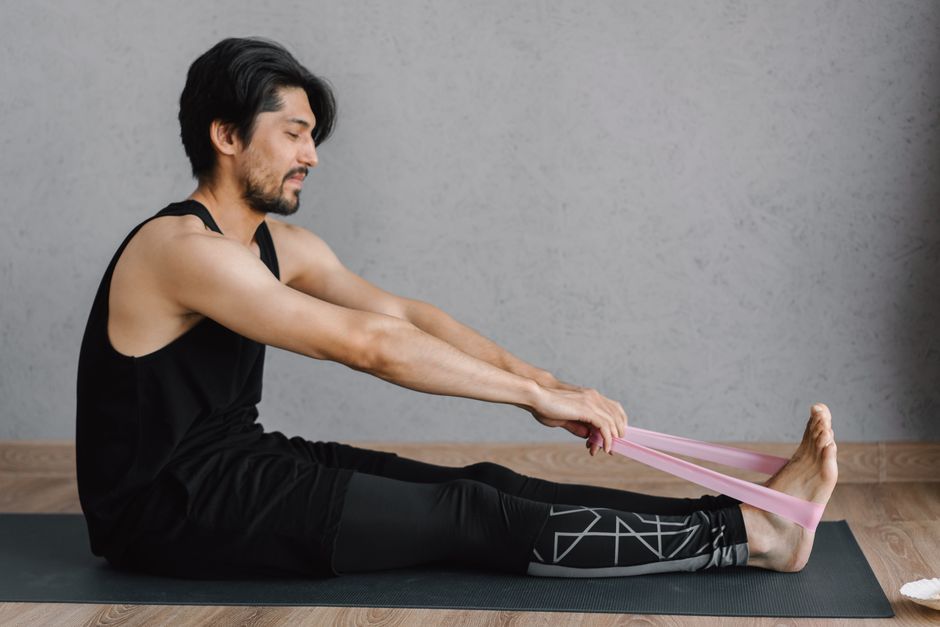
Shin pain is one of the most common problems in runners and dancers, and it is also one of the most misunderstood. The muscles and tissues along the front and sides of the lower leg respond well to a specific type of stretching, but the wrong kind can make things worse. The key facts: stretching alone does not fix most shin pain, it works best as one part of a broader routine that includes strengthening and load management, and the tissues most people call “shins” include several distinct structures that need different approaches.
What Structures Are Involved in Shin Pain?
The word “shins” covers more than one structure. The front of the lower leg contains the tibia (the large shin bone), the tibialis anterior muscle, the extensor muscles of the toes, and the interosseous membrane that runs between the tibia and fibula. The inner edge of the tibia is where the tibialis posterior and the deep calf muscles attach.
Each of these can become irritated for different reasons. That matters because a stretch that helps one structure may aggravate another.
Two conditions account for most shin pain in active people. Medial tibial stress syndrome, often called shin splints, involves irritation along the inner border of the tibia. Chronic exertional compartment syndrome involves pressure building inside a closed muscle compartment during activity. They can feel similar at first but behave differently. Shin splints usually ease with rest. Compartment syndrome tends to come on at a predictable time or distance into activity and resolves when you stop.
Bone stress injuries are a third possibility. These are more serious and need medical assessment. A stress fracture of the tibia produces pain that is often focal, worse with impact, and may persist at rest.
How To Stretch Shins Safely
Stretching the shin muscles means moving the ankle into plantar flexion and dorsiflexion in controlled ranges. The two main targets are the tibialis anterior on the front of the shin and the calf complex on the back.
The tibialis anterior is the muscle you feel working when you lift your toes toward your shin. To stretch it, kneel on a padded surface with the tops of your feet flat on the floor and your shins down. Sit back gently toward your heels. You should feel a stretch along the front of the lower leg. Hold for 20 to 30 seconds and repeat two to three times per side. This position also loads the ankle joint, so stop if you feel pinching at the front of the ankle.
The calf muscles, including the gastrocnemius and soleus, attach near the knee and heel. Tightness here changes how you walk and run, which can increase load on the shin. A standing wall stretch with the back knee straight targets the gastrocnemius. The same stretch with the back knee bent targets the soleus. Hold each for 20 to 30 seconds.
A few practical points apply to both:
- Move into the stretch slowly and stop before pain. A mild pulling sensation is fine. Sharp pain is not.
- Do not bounce. Ballistic stretching of an irritated shin can worsen symptoms.
- Warm up first. Cold muscle stretches less readily and is more prone to strain.
- Stretch after activity, not only before. Post-activity tissue is warmer and more responsive.
If a stretch reproduces your usual shin pain, stop doing it. That is a signal the tissue is not ready for that range.
Does Stretching Actually Fix Shin Pain?
No. Stretching alone does not resolve most cases of shin pain. This is one of the most important facts about the topic and one of the most commonly ignored.
Research on medial tibial stress syndrome consistently points to training load, bone and muscle capacity, and biomechanics as the main drivers. Stretching can improve flexibility and reduce tightness, but it does not build the tissue capacity that prevents the problem from returning.
What the evidence supports more strongly is a combination approach. Progressive strengthening of the calf and foot muscles, gradual increases in training volume, and adequate recovery time do more for long-term outcomes than stretching by itself. Some clinicians recommend stretching as part of a warm-up and cool-down routine, but they generally do not present it as a standalone treatment.
There is also a common belief that tight calves cause shin splints. The relationship is more complicated. Some people with shin pain have limited ankle dorsiflexion, and some do not. Reduced ankle range can change how force travels through the leg, but it is not the single cause. Treating it as the only cause leads to stretching that does not address the actual problem.




When Should You Not Stretch Your Shins?
Do not stretch through sharp pain, and do not stretch a shin that is acutely swollen, hot, or bruised. Those signs suggest tissue injury that needs assessment, not stretching.
Specific situations where stretching is not appropriate:
- Suspected tibial stress fracture. Stretching can displace or worsen the injury.
- Acute compartment syndrome. This is a medical emergency. Symptoms include severe pain, tightness, numbness, and weakness that do not resolve with rest. Seek emergency care.
- Recent lower leg injury or surgery, until cleared by a clinician.
- Nerve-related symptoms such as tingling, burning, or numbness in the foot. Stretching will not address the cause.
Chronic exertional compartment syndrome deserves a specific note. Stretching does not relieve the pressure that builds during activity. Some people find it makes symptoms worse. This condition is diagnosed through pressure testing and is managed differently.
What Else Helps Shin Pain Beyond Stretching?
Strengthening is the most evidence-supported addition. Calf raises, both straight-knee and bent-knee variations, build the soleus and gastrocnemius. Toe raises and resisted ankle dorsiflexion work the tibialis anterior. These exercises load the tissue in a way that promotes adaptation.
Training adjustments matter just as much. Sudden increases in mileage, intensity, or hill work are common triggers. A general rule used in running medicine is to avoid increasing weekly volume by more than about 10 percent at a time, though this figure is a practical guideline rather than a strict evidence-based threshold.
Footwear and surface changes can also play a role. Switching abruptly from cushioned shoes to minimal ones, or from flat paths to cambered roads, changes the load on the shin. Make one change at a time so you can identify what helps or hurts.
Rest is not the same as recovery. Complete rest may reduce pain temporarily, but returning to activity without addressing strength and load often brings the pain back. A gradual return with continued strengthening tends to work better.
How Long Does Shin Pain Take to Improve?
Timelines vary widely and depend on the cause. Mild shin splints from a training error often improve within a few weeks once load is reduced. Bone stress injuries take longer and typically require a period of reduced weight-bearing, with return guided by a clinician.
Chronic exertional compartment syndrome does not resolve with rest alone in most cases. Treatment options include activity modification, gait retraining, and in some cases surgery, though outcomes vary and surgery is not appropriate for everyone.
If shin pain persists beyond a few weeks despite reduced activity, or if it is severe enough to affect walking, see a clinician. Imaging may be needed to rule out a stress fracture. Do not assume that time alone will fix it.
Can Shin Pain Be Prevented?
Prevention focuses on the same factors that drive the problem. Build training volume gradually. Strengthen the calf and foot muscles consistently. Allow recovery between hard sessions. Address footwear and surface changes one at a time.
Stretching can be part of a prevention routine, but it is not the main lever. The evidence points more strongly to load management and strength. If you stretch, do it consistently and gently, and treat it as one piece of a larger plan rather than the whole answer.
Frequently Asked Questions
How do you stretch your shins?
Kneel on a padded surface with the tops of your feet flat and sit back gently toward your heels to stretch the front of the shin. Hold for 20 to 30 seconds and repeat two to three times. Stop if you feel sharp pain or pinching at the front of the ankle.
Does stretching help shin splints?
Stretching can reduce tightness but does not resolve most shin splints on its own. The evidence supports combining it with strengthening and gradual training load increases. Stretching is a supporting measure, not a standalone treatment.
Should you stretch shins before or after running?
Stretching after running is generally more effective because the tissue is warm and more responsive. If you stretch before running, do it after a short warm-up and keep the range gentle. Do not bounce or push into pain.
When should you see a doctor for shin pain?
See a clinician if pain persists beyond a few weeks, is focal and worse with impact, or affects walking. Severe pain with tightness, numbness, or weakness needs urgent care. These signs may indicate a stress fracture or compartment syndrome.
