
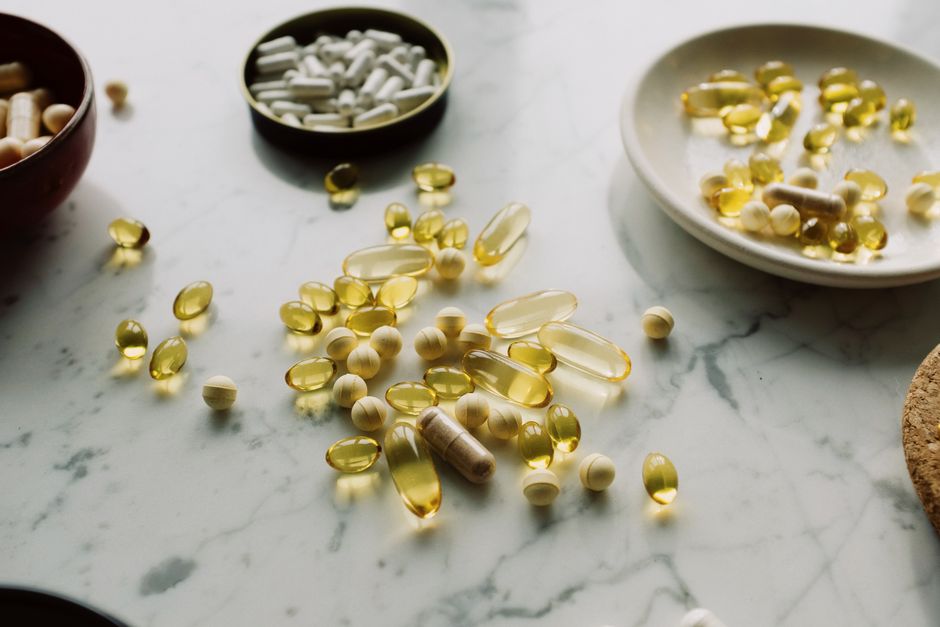
Storing pills for the long term comes down to three things: keeping them cool, dry, and away from light. Most medications will stay potent for years if stored correctly, but heat, moisture, and sunlight can break down the active ingredients quickly. The bathroom cabinet is the worst place to keep medicine because of the humidity from showers. A cool, dark drawer in a bedroom or a locked cabinet in a hallway is usually the best spot.
What Actually Causes Pills to Lose Potency?
Drug molecules are not static. They react with their environment over time. Heat speeds up these chemical reactions. Moisture can cause tablets to break down or dissolve prematurely. Light, especially direct sunlight, can alter the structure of certain medications.
Oxygen also plays a role. Some medications oxidize when exposed to air for long periods. This is why many prescription bottles are amber-colored and why some pills come in foil blister packs. The packaging is designed to protect the drug from these specific threats.
The most common cause of potency loss in real homes is heat. A car glovebox in summer or a windowsill above a radiator will degrade almost any medication. Even a kitchen cabinet near the stove gets warmer than you think.
What Is the Best Temperature for Storing Medication?
Most medications are designed for what pharmacists call “controlled room temperature.” This means 68°F to 77°F (20°C to 25°C). Brief excursions between 59°F and 86°F are generally acceptable for most drugs, but sustained heat is the enemy.
Do not assume that refrigeration is better. Unless the label specifically says “refrigerate,” keeping pills in the fridge can introduce moisture every time you open the door. Condensation forms on the bottle, and that moisture can damage the pills.
Some medications do require refrigeration, such as certain antibiotics and biologic drugs. Always follow the specific storage instructions printed on the prescription label or the package insert. When in doubt, call the pharmacist.
Should You Keep Pills in Their Original Containers?
Yes. The original container is designed for that specific medication. Prescription vials are light-resistant and have child-resistant caps. Blister packs protect each dose from moisture and air until you open it.
Do not transfer pills to a different bottle, even if the original is bulky. Mixing different medications in one container is dangerous for two reasons. First, you can easily take the wrong pill. Second, some drugs can react with each other if they come into direct contact.
If you need to organize pills for a week, use a pill organizer for short-term use only. Do not store months’ worth of medication in a weekly organizer. The open compartments expose pills to air, light, and humidity.




How To Store Pills Long Term Without Losing Potency
The most reliable method for long-term storage is to keep medications in their original containers in a cool, dark, dry place. A bedroom closet shelf or a dresser drawer works well. The container should be tightly closed after every use.
Consider using a desiccant pack if you live in a humid climate. These small silica gel packets absorb moisture. However, do not use desiccant packs that come with food products if they are not intended for medication storage. Some food desiccants contain iron filings that are not safe around pills.
If you are storing medications for emergency preparedness, rotate your stock. Use the oldest pills first and replace them with fresh supplies. This ensures you always have medication that has not exceeded its shelf life.
What Is the Actual Shelf Life of Medication?
The expiration date on a prescription bottle is set by the manufacturer. It represents the date through which the manufacturer guarantees full potency. For most medications, this is one to five years from the date of manufacture.
Research has shown that many medications remain potent well beyond their expiration date. The Shelf Life Extension Program run by the U.S. military found that many drugs retained their potency for years past their labeled expiration. However, this program tested specific drugs under controlled storage conditions.
That does not mean you should ignore expiration dates. Some medications degrade into harmful compounds. Tetracycline antibiotics are the classic example. Expired tetracycline can cause kidney damage. Liquid medications, biologics, and nitroglycerin should never be used past their expiration date.
Which Medications Are Most Sensitive to Poor Storage?
Some drugs degrade faster than others under poor conditions. Nitroglycerin tablets are extremely sensitive to heat and moisture. They can lose potency within weeks of opening the bottle.
Insulin is another fragile medication. It should never be frozen or exposed to direct heat. Thyroid hormones, certain antibiotics, and epinephrine auto-injectors also degrade quickly when stored improperly.
Liquid medications generally have shorter shelf lives than tablets. Once opened, many liquid antibiotics are only good for a week or two, even with refrigeration. If you have a liquid medication that looks cloudy, discolored, or has particles floating in it, do not use it.
Can You Store Pills in the Freezer?
No. Freezing is not appropriate for most medications. Ice crystals can form and alter the chemical structure of the drug. When you thaw the medication, the texture and potency may be permanently changed.
Some specific medications are approved for freezing, but these are rare and usually biologic drugs. Unless the label explicitly says freezing is acceptable, keep pills away from the freezer entirely.
The only exception worth noting is for medications that are damaged by heat in very hot climates. Some people store pills in a cooler with a desiccant, but this is not a standard recommendation. The safest approach is to keep pills at controlled room temperature.
Signs That Your Pills Have Gone Bad
Visual changes are the first warning sign. If tablets are cracked, chipped, discolored, or stuck together, they may have been exposed to moisture. If capsules are swollen, soft, or leaking, discard them.
Odor changes matter too. Some medications have a slight smell normally. If the smell becomes noticeably stronger or different, the drug may be breaking down.
If a pill dissolves too quickly or too slowly in water compared to normal, that can indicate a problem. However, do not test pills in water yourself. Just be aware that changes in how the pill behaves are a reason to replace it.
What About Travel and Short-Term Storage?
Travel presents unique challenges. Airplane cabins have low pressure and can be cold. Humidity in checked luggage can be high. Keep medications in your carry-on bag where you control the environment.
Do not leave medications in a hot car for any length of time. Even 30 minutes in a car on a summer day can expose pills to temperatures over 120°F. This is enough to damage many medications.
If you are traveling to a hot climate, consider using an insulated bag for your medications. Do not put ice packs directly against the pill bottles. The condensation can cause moisture damage.
Frequently Asked Questions
Can I store pills in the bathroom cabinet?
No. Bathrooms have high humidity from showers and baths, which can break down medications. Choose a cool, dry place like a bedroom drawer instead.
Do pills expire after the date on the bottle?
The date is the manufacturer’s guarantee of full potency, but many tablets remain effective beyond it. Never use expired liquid medications, nitroglycerin, or antibiotics.
Is it safe to store different pills together in one bottle?
No. Mixing medications can cause chemical reactions and increases the risk of taking the wrong pill. Keep each medication in its original labeled container.
Does refrigeration keep pills fresh longer?
Only if the label says to refrigerate. Otherwise, refrigeration introduces moisture that can damage pills. Room temperature storage is correct for most medications.
