
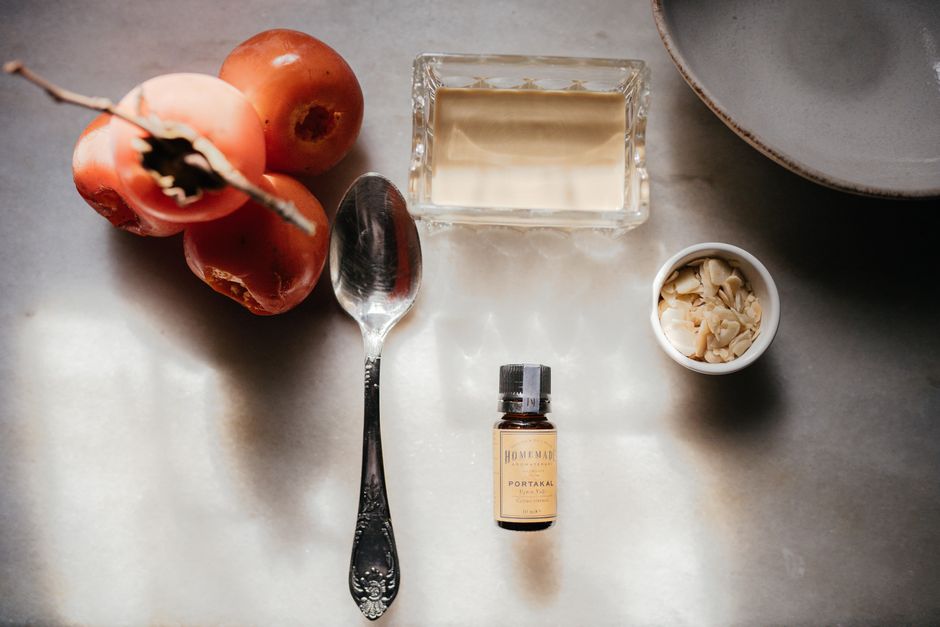
Persimmons are a soft, high-moisture fruit, and they do not keep for months at room temperature. To store them long term, you have five realistic options: refrigerate them for a few weeks, freeze the pulp or whole fruit, dehydrate them into dried slices, make persimmon jam or preserves, or store firm astringent varieties in a cool, ventilated space to finish ripening. Each method suits a different type of persimmon and a different timeline, and the biggest factor in success is knowing which kind of persimmon you have.
How To Store Persimmons Long Term 5 Methods
There are two broad types of persimmon sold in the US, and they behave very differently. Astringent varieties, most commonly Hachiya, are firm and mouth-puckering until fully ripe, then turn soft and sweet. Non-astringent varieties, most commonly Fuyu, can be eaten while still firm and hold their shape longer. Fuyu types store and dry more cleanly. Hachiya types are best used once fully soft, which makes them ideal for freezing and jam.
Here is how the five methods compare on storage time and best use.
| Method | Best for | Typical storage time |
|---|---|---|
| Refrigeration | Firm-ripe fruit, short-term | A few weeks to about 1 month |
| Freezing | Soft pulp or whole ripe fruit | Up to 6–12 months |
| Dehydrating | Firm non-astringent fruit | 6–12 months stored properly |
| Jam and preserves | Ripe soft fruit | About 1 year, sealed |
| Cool ventilated storage | Firm astringent fruit to ripen | Weeks, until ripe |
Refrigeration is not a true long-term method. It slows ripening and buys time, but persimmons still soften and eventually spoil. The four methods that genuinely extend storage are freezing, drying, preserving, and controlled cool storage for fruit that still needs to ripen.
Should You Refrigerate Persimmons or Keep Them on the Counter?
Keep firm persimmons on the counter and move ripe ones to the refrigerator. That single rule covers most situations.
An unripe astringent persimmon needs warmth to soften and lose its astringency. Chilling it too early can slow that process and leave you with a fruit that stays firm and puckery. Leave Hachiya types at room temperature until they feel soft like a water balloon, then eat them or refrigerate briefly.
Firm non-astringent types such as Fuyu can go straight into the refrigerator if you want to slow them down. Once a persimmon is fully ripe and soft, refrigeration slows further softening for a short window. It does not stop it. Plan to use refrigerated ripe fruit within a few weeks.
One point worth knowing: astringency in Hachiya persimmons comes from soluble tannins. As the fruit ripens, those tannins bind together and stop registering as astringent on your tongue. That is why a rock-hard Hachiya is unpleasant and a soft one is sweet. Ripeness, not variety alone, controls the taste.
How Do You Freeze Persimmons for Long-Term Storage?
Freezing is the simplest way to keep persimmons for many months. Ripe persimmons freeze well, and the texture change matters less because soft persimmons are already used for pulp, smoothies, and baking.
Wash and dry the fruit. Remove the leafy calyx and any stem. You can freeze whole ripe persimmons, but they become messy to thaw. Most people get better results by scooping out the soft flesh and freezing the pulp.
- Freeze pulp in small containers or ice cube trays, then transfer cubes to a freezer bag.
- Add a little lemon juice to pulp you plan to use fresh later, to slow browning.
- Press out air from bags and label with the date.
- For firm Fuyu types, peel and slice before freezing for easier use in baking.
Frozen persimmon pulp holds good quality for roughly six months and remains usable longer, though flavor and texture slowly decline. Thaw in the refrigerator, not on the counter, and use the pulp in recipes rather than eating it as fresh slices. The cell walls break during freezing, so thawed fruit turns soft and watery.





How Do You Dry Persimmons?
Drying turns firm persimmons into chewy, sweet slices that keep for months. It works best with firm non-astringent fruit. Soft or astringent fruit dries poorly and can stay unpleasantly tannic.
Peel the fruit if the skin is thick, then slice into thin, even pieces. Uniform thickness is what allows everything to dry at the same rate. Dry in a food dehydrator following the manufacturer’s temperature guidance for fruit, or use a low oven with the door slightly open. The pieces are ready when they are leathery and pliable, with no soft or sticky spots.
Cool the dried slices completely before packing. Store them in airtight containers in a cool, dark place, or refrigerate or freeze them for longer keeping. Dried persimmons are a traditional food in several cultures, and the dried form concentrates natural sugars, so a little goes a long way.
One caution: home-dried fruit can spoil if it is not dried enough. If slices feel tacky or mold appears, discard them. When in doubt, dry longer.
Can You Make Persimmon Jam or Preserves?
Yes, and ripe soft persimmons make a naturally sweet jam. The fruit is high in sugar and pectin, which helps it set.
Peel and mash or chop ripe fruit, then cook with sugar and lemon juice. Follow a tested canning recipe for fruit preserves rather than improvising ratios, because safe canning depends on acidity and sugar levels. For water-bath canning, use an established recipe from a recognized food-preservation authority so the acidity is high enough to prevent bacterial growth.
Sealed jars of properly processed persimmon jam keep about a year in a cool, dark place. Once opened, refrigerate and use within a few weeks. If you are not confident in canning safety, freezer jam is a lower-risk option and keeps well frozen.
How Do You Ripen and Store Firm Astringent Persimmons?
Firm astringent persimmons need to ripen before they are edible, and cool ventilated storage is a traditional way to manage them. The goal here is ripening, not long-term keeping.
Store firm fruit in a single layer in a cool, airy spot out of direct sun. Good airflow reduces mold. Check regularly and remove any fruit that softens or shows spots. A common trick is to ripen persimmons alongside apples or bananas in a paper bag. Those fruits release ethylene gas, which speeds ripening. This is well established for many fruits, though the effect on persimmons specifically varies.
Once the fruit is fully soft, it is ready to eat or to move into one of the longer-term methods above. Firm astringent persimmons stored this way are a short bridge to freezing, drying, or jam, not a storage endpoint on their own.
What Shortens Persimmon Storage and How Do You Avoid It?
Bruising, moisture, and ethylene are the main enemies of stored persimmons. Handle the fruit gently, because a bruised spot spoils first and spreads.
Do not wash persimmons until you are ready to use them. Surface moisture encourages mold. Store fruit dry and in a single layer where possible.
Keep persimmons away from ethylene-producing fruits if you want them to last. Apples, bananas, and avocados release ethylene, which speeds ripening and shortens storage. If you are deliberately ripening firm fruit, that same gas helps. If you are trying to keep ripe fruit longer, keep it separate.
Inspect stored fruit every few days. One moldy persimmon can spoil the batch, so remove any soft or spotted fruit promptly.
Frequently Asked Questions
How long do persimmons last in the refrigerator?
Ripe persimmons typically keep a few weeks in the refrigerator, though this varies with ripeness and variety. Firm non-astringent types generally last longer than soft astringent ones.
Can you freeze whole persimmons?
Yes, whole ripe persimmons can be frozen, but they turn soft and messy when thawed. Freezing the scooped pulp gives cleaner results for later use.
How do you know when a persimmon is ripe?
A ripe astringent persimmon feels very soft and is sweet rather than puckery. Non-astringent types can be eaten firm and are ripe when they give slightly to gentle pressure.
Do persimmons need to be refrigerated?
Firm persimmons can stay on the counter to ripen, and ripe ones can be refrigerated to slow softening. Refrigeration is not required, but it extends short-term storage.
