
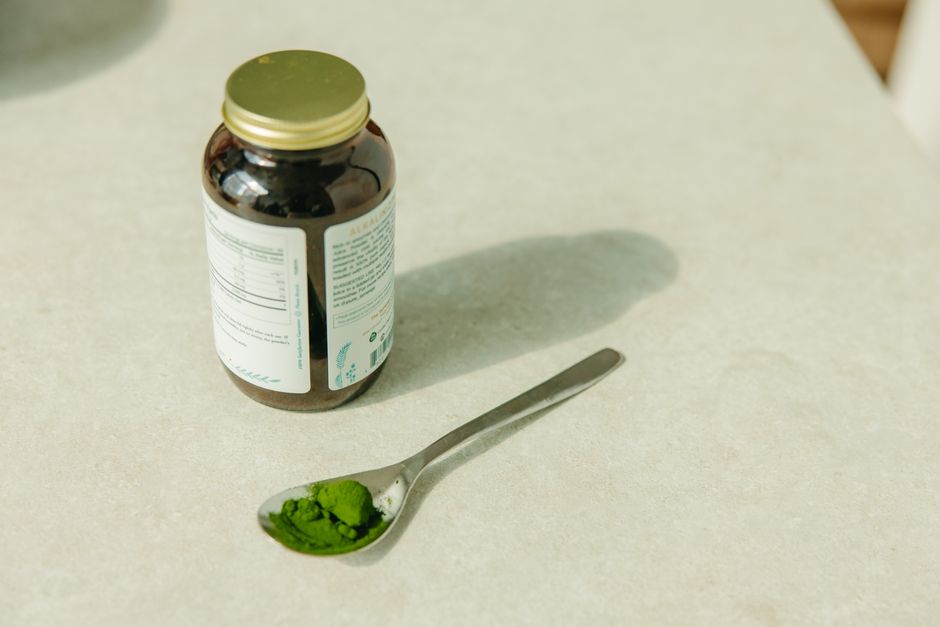
Peptide powders are fragile. Heat, moisture, and light can break them down before you ever use them. The most reliable way to store peptide powder is in a sealed, moisture-proof container kept in the freezer or refrigerator, protected from light. Keep the container sealed until the powder reaches room temperature before opening it to prevent condensation from forming. This simple process preserves the molecular structure of the peptides, keeping them effective for as long as the manufacturer intended.
Why Do Peptide Powders Degrade in the First Place?
Peptides are chains of amino acids. That chemical structure is stable only under specific conditions. When exposed to certain environmental factors, the bonds between amino acids can break or change shape. Once that happens, the peptide no longer functions as it should.
The three main threats are heat, moisture, and light. Heat speeds up chemical reactions, including the ones that break peptides apart. Moisture can cause hydrolysis — a chemical reaction where water molecules split the peptide bonds. Light, especially ultraviolet light, can also damage the molecular structure over time.
Oxygen is a lesser but real concern. Oxidation can alter the peptide’s structure. For most peptide powders, oxygen exposure during short-term storage is not a major issue if the container is properly sealed. But over months, it can contribute to degradation.
The goal of proper storage is to minimize all four factors: heat, moisture, light, and oxygen.
What Is the Best Temperature for Storing Peptide Powder?
Cold temperatures slow down chemical reactions. The colder the storage environment, the slower the degradation process. This is why most manufacturers recommend refrigerating or freezing peptide powders.
For short-term storage — anything under a few weeks — the refrigerator is generally sufficient. Refrigerators typically run between 35°F and 40°F (1.7°C to 4.4°C). This temperature range significantly slows degradation.
For long-term storage — months or longer — the freezer is the better option. Freezer temperatures of 0°F (-18°C) or below nearly halt chemical breakdown. Research on peptide stability consistently shows that frozen storage preserves peptide integrity far longer than refrigeration.
One important detail: do not store peptide powder in a freezer that goes through defrost cycles. Frost-free freezers periodically warm up to remove ice buildup. These temperature fluctuations can cause condensation inside the container. If you must use a frost-free freezer, place the peptide container inside an insulated secondary container, like a small cooler or an insulated bag, to buffer the temperature swings.
Why Must You Let the Container Warm Up Before Opening It?
This is the most commonly overlooked step. When you take a cold container out of the refrigerator or freezer, the air around it is warmer and contains moisture. If you open the container immediately, that warm air enters the cold container, and the moisture condenses onto the powder.
That condensation is liquid water. Liquid water causes hydrolysis — the same chemical reaction that degrades peptides. Even a tiny amount of moisture can significantly reduce the potency of the powder.
The fix is simple. Remove the container from cold storage and leave it sealed on the counter for 15 to 30 minutes. Let it reach room temperature before opening. This allows the container to warm up without letting outside air inside. Once it is at room temperature, you can open it safely without condensation forming.
This step applies every single time you take the powder out of cold storage. It does not matter if you access the powder daily or once a month.





What Type of Container Protects Peptide Powder Best?
The original manufacturer’s vial is usually the best container for storage. These vials are designed specifically to protect the peptide from environmental damage. They are typically made of glass, which is non-reactive and does not leach chemicals into the powder.
If you transfer the powder to another container, choose one that is airtight and moisture-proof. Glass containers with tight-sealing lids are the safest choice. Avoid plastic containers unless they are specifically designed for laboratory storage. Some plastics can absorb peptides or release chemicals over time.
Desiccants can help. A small silica gel packet placed inside the storage container absorbs any residual moisture. Just make sure the desiccant does not come into direct contact with the powder. Some people place the sealed peptide vial inside a larger container with a desiccant packet, which adds an extra layer of moisture protection.
Oxygen absorbers are less commonly used but can be helpful for very long-term storage. These small packets remove oxygen from the container, reducing oxidation risk. They are inexpensive and available online.
Does Light Damage Peptide Powder?
Yes. Ultraviolet light can break down peptide bonds. Even visible light can contribute to degradation over long periods.
The original amber or opaque vials used by manufacturers are designed to block light. If your peptide powder came in a clear or translucent container, transfer it to an amber glass vial or store it in a dark place.
A dark cabinet, drawer, or opaque container provides sufficient light protection. If you store peptides in the refrigerator, keep them in the back where the door opening and closing does not expose them to light as frequently.
How To Store Peptide Powder Without Degrading It Long Term
For long-term storage, combine all the protective measures. The process is straightforward:
- Keep the powder in its original sealed vial.
- Place that vial inside a secondary airtight container, like a sealed glass jar.
- Add a silica gel desiccant packet to the secondary container.
- Place the secondary container in the freezer.
- When you need the powder, remove the entire secondary container and let it reach room temperature before opening anything.
This layered approach protects against moisture, temperature fluctuations, light, and oxygen. It is the storage method most closely aligned with how pharmaceutical manufacturers recommend handling lyophilized peptides.
Do not reconstitute the powder until you are ready to use it. Once you add liquid to peptide powder, the stability clock changes dramatically. Reconstituted peptides degrade much faster than powder and typically last only days to weeks, even when refrigerated.
How Long Can You Store Peptide Powder?
The shelf life depends on the specific peptide and the storage conditions. Most manufacturers state a shelf life of 12 to 24 months from the date of manufacture when stored properly. This information is typically printed on the vial label or the packaging insert.
Proper storage can help you reach the manufacturer’s stated expiration date. Improper storage can shorten it significantly. If the powder has been exposed to heat, moisture, or light, it may degrade well before the expiration date.
There is no reliable way to visually tell if peptide powder has degraded. The powder may look identical even after losing potency. This is why following proper storage procedures from the start is so important.
If you are unsure whether your peptide powder has been stored correctly, the conservative approach is to discard it and obtain a fresh supply. Using degraded peptides is not dangerous in most cases, but it will not produce the expected effect.
Can You Store Peptide Powder at Room Temperature?
Room temperature storage is acceptable only for very short periods. If you plan to use the powder within a few days, keeping it in a cool, dark place at room temperature will not cause significant degradation.
For anything beyond a week, cold storage is strongly recommended. The warmer the environment, the faster peptides degrade. A room that is 75°F (24°C) will degrade peptides noticeably faster than a refrigerator at 39°F (4°C).
During hot summer months, room temperature storage becomes even more problematic. If your home does not have air conditioning, refrigeration or freezing is essential.
Frequently Asked Questions
Can I store peptide powder in a plastic bag?
No, plastic bags are not moisture-proof or airtight enough for peptide storage. Use the original glass vial or a sealed glass container instead.
Does freezing peptide powder damage it?
No, freezing preserves peptide powder and is the best method for long-term storage. Just make sure the container is sealed airtight to prevent moisture from entering.
How long does peptide powder last in the freezer?
Most peptide powders remain stable in the freezer for 12 to 24 months when stored properly in a sealed container. Check the manufacturer’s expiration date on the vial for the specific product.
Can I store reconstituted peptides in the freezer?
No, freezing reconstituted peptides can cause them to degrade faster. Once mixed with liquid, peptides should be refrigerated and used within the timeframe specified by the manufacturer.
