
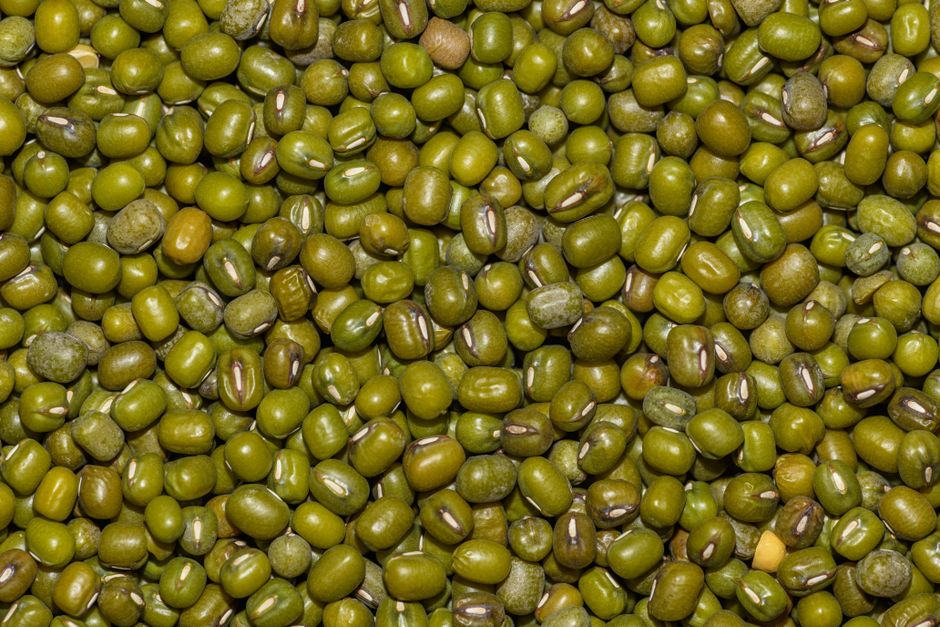
Mung bean sprouts stay fresh longest when they are kept cold, dry, and ventilated. Store them in the refrigerator at or below 40°F (4°C), remove excess moisture before storage, and keep them in a container that allows some airflow rather than a sealed plastic bag. Stored this way, they typically hold up for three to five days. Sprouts are a high-moisture food, and moisture is what shortens their life — both because it softens the sprout and because it encourages bacterial growth.
Why Do Mung Bean Sprouts Spoil So Quickly?
Sprouts are one of the most perishable items in the produce aisle, and the reason is simple: they are alive and wet. A sprouted seed is a germinating plant. It is respiring, using up its own stored energy, and giving off moisture the whole time. Unlike a dry bean, which can sit in a pantry for a year, a sprout is in an active state of growth and decay.
The bigger issue is safety, not just quality. The conditions that make sprouts grow — warmth and high moisture — are the same conditions that let bacteria multiply. The U.S. Food and Drug Administration has repeatedly identified raw sprouts as a food associated with outbreaks of Salmonella and E. coli. The seeds themselves can carry bacteria, and the sprouting process can amplify it because the warm, humid environment favors bacterial growth. This is why the FDA advises that people at higher risk of foodborne illness avoid raw sprouts entirely, and why refrigeration matters for safety, not only for crispness.
That context shapes how you should think about storage. You are not just trying to keep sprouts looking good. You are trying to slow bacterial growth by keeping them cold and by not giving bacteria a wet, warm place to multiply.
How To Store Mung Bean Sprouts And Keep Them Fresh
Start by not washing them until you are ready to use them. Many packaged sprouts come already rinsed, and adding more water before storage just adds moisture you will have to manage. If your sprouts came loose or you rinsed them, dry them well first.
Here is a storage approach that works reliably:
- Dry them. Spread the sprouts on a clean kitchen towel or paper towels and pat gently. Remove any loose water. Do not crush or bruise them.
- Pick out the bad ones. Discard any sprouts that are slimy, brown, or smell sour. One spoiled sprout can speed up spoilage in the rest.
- Choose a ventilated container. A paper bag, a container lined with a dry paper towel, or a breathable produce bag works well. Some airflow helps prevent condensation from building up.
- Refrigerate promptly. Keep them at or below 40°F (4°C). The refrigerator door is a poor spot because the temperature fluctuates. A shelf toward the back is more stable.
- Check daily. Replace the paper towel if it becomes damp, and remove any sprouts that start to look or smell off.
A common mistake is sealing sprouts in a tight plastic bag. That traps moisture and creates a humid pocket — exactly the environment you are trying to avoid. If you must use a plastic bag, leave it partly open and add a paper towel to absorb condensation.
Should You Store Sprouts in Water?
Some people keep sprouts submerged in a bowl of water in the refrigerator, a method often associated with home sprouting. For store-bought mung bean sprouts you plan to cook within a day or two, this can keep them looking plump. But it is not a good long-term storage method, and it carries a safety tradeoff.
Standing water is a breeding ground for bacteria, especially once the sprouts have been handled. The water needs to be changed frequently — daily at minimum — and even then it does not reliably extend safety. For most home cooks, dry refrigeration with a paper towel is the more reliable choice. If you do use the water method, treat it as a short-term option only and cook the sprouts thoroughly afterward.
How Long Do Mung Bean Sprouts Last in the Fridge?
Fresh mung bean sprouts generally keep for about three to five days in the refrigerator when stored properly. Some packages carry a use-by date, and you should follow it. Home-grown sprouts are best used within a few days of harvesting.
These are general guidelines, not guarantees. The clock starts from when the sprouts were harvested, not when you bought them, so a package that has already sat on a shelf for two days has less time left. Treat any of these signs as a reason to discard:
- Slimy texture or a sticky film
- Sour or musty smell
- Brown or darkened tips and stems
- Visible mold
If you are unsure, throw them out. With a food this inexpensive and this closely tied to foodborne illness outbreaks, the risk is not worth it.
Can You Freeze Mung Bean Sprouts?
You can freeze mung bean sprouts, but the texture will not survive. Sprouts are mostly water, and freezing forms ice crystals that break down the cell walls. When thawed, they turn limp and release liquid. They will not work in a stir-fry or as a fresh garnish.
If you want to preserve them, freezing is only reasonable for sprouts you plan to cook into soups or stews where texture does not matter. Blanch them briefly, drain well, and freeze in a sealed container. Use them within a few months. For most cooking, buying fresh and using them within a few days is the better plan.
How Do You Handle Sprouts Safely Before Eating?
Storage and safety are linked, but they are not the same thing. Even perfectly stored raw sprouts carry some risk. The FDA’s position is that cooking sprouts thoroughly reduces the risk of illness, and that people at higher risk — young children, older adults, pregnant women, and people with weakened immune systems — should avoid raw sprouts altogether.
Cooking does not make a spoiled sprout safe. If sprouts are slimy or smell wrong, cooking will not fix that. The right move is to discard them. For sprouts that are still fresh, cooking them well — until they are heated through, not just warmed — is the more cautious choice, particularly for anyone in a higher-risk group.
One clarification worth making: rinsing sprouts does not remove bacteria that have already established themselves in the seed or the sprout tissue. Rinsing improves freshness and removes surface debris, but it is not a safety step you can rely on. This is a common misconception, and it is why cooking guidance exists separately from washing guidance.
Frequently Asked Questions
How long do mung bean sprouts last in the refrigerator?
About three to five days when stored cold, dry, and ventilated. Follow any use-by date on the package, and discard them sooner if they turn slimy or smell sour.
Should I wash mung bean sprouts before storing them?
No — wash them just before you use them. Extra moisture before storage speeds spoilage, so dry them well if they are already wet.
Can I keep mung bean sprouts in a sealed plastic bag?
It is better to avoid a tightly sealed bag because it traps moisture. Use a paper bag or a partly open container with a paper towel to absorb condensation.
Are raw mung bean sprouts safe to eat?
They carry some risk of foodborne illness, and the FDA advises higher-risk groups to avoid raw sprouts. Cooking them thoroughly reduces the risk.
